




elnavi
Posidonia Events Sustainability Report for Posidonia 2024 Society, Economy, Health and Environment in the spotlight
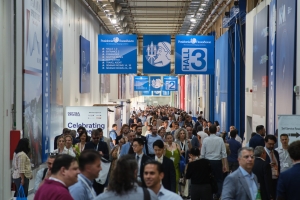
Posidonia Exhibitions S.A. published its Event Sustainability Report for Posidonia 2024, confirming its commitment to organising sustainable exhibitions with a positive impact to society and economy.
Posidonia received the ISO 20121 certification for the second consecutive time. It should be noted that the international shipping exhibition was Greece’s first event to receive the certification in 2022.
With 2,038 exhibiting companies from 81 countries and territories, 32,527 visitors from 130 countries and total participation reaching 41,838 people, Posidonia 2024 broke every record, creating a challenge for Organisers to achieve the set sustainability goals.
This year’s report confirms that Posidonia managed to exceed expectations:
- Maintained low consumption levels per visitor, both in electricity (10.2kwh) and water (0.022m3) consumption, despite a 12.6% increase in visitor attendance
- Reduced carbon footprint of the exhibition, through effective shuttle bus service planning. 5.12% fewer shuttle bus routes served 31.15% more passengers
- 96.7% of exhibitors implemented extended sustainability practices, following Organisers’ guidance (i.e. use of sustainable or recyclable materials in stand construction, implementation of energy efficient solutions in stand design, etc.)
- 66.23% of exhibitors opted for sustainable or recyclable materials in stand construction
- 41.72% of exhibitors re-used their stand from previous exhibition(s) participation, while 91% of them appointed local stand contractors, thus reducing logistics induced effects and further supporting the local economy
- Zero accident recorded during exhibition construction & dismantling
- Minimized paper and plastic waste
- Digitalisation of Posidonia 2024 promotional and informational material
- Appointment of ISO certified suppliers and partners contributed to the overall upgrade of the exhibition’s quality and sustainability.
Through its corporate initiatives and sponsorship programme, Posidonia Exhibitions S.A. allocated over 200,000 euro, directly or indirectly, to support organisations, NGOs and social/environmental projects, mainly focusing on supporting educational, environmental, and cultural as well as health and sports related initiatives.
In addition, Posidonia 2024 contributed to the Greek economy an estimated amount of over 80 million euro, spread over various sectors including stand constructions, transportation, meetings and corporate events, hotels and restaurants, tax revenues and foreign direct investment. It is worth mentioning that approximately 13,000 people visit Greece for Posidonia, many of whom prolong their stay for vacations after the exhibition, thus multiplying the financial benefit for the local economy.
“The pursuit of environmentally friendly solutions that attain maximum benefit for society is of primary importance to our company” said Theodore Vokos, Managing Director of Posidonia Exhibitions S.A., and added that “We are particularly happy to confirm that both exhibitors as well as all Posidonia participants are partaking in this effort, contributing to the best possible results. Large-scale sustainable exhibitions in Athens contribute to promoting the city’s, but also Greece’s, image abroad as an important MICE destination.”
The Posidonia 2024 Event Sustainability Report is available here.
Posidonia 2024 is organised under the auspices of the Ministry of Maritime Affairs & Insular Policy, the Hellenic Chamber of Shipping and the Union of Greek Shipowners and with the support of the Municipality of Piraeus and the Greek Shipping Co-operation Committee.
ELNAVI Newsletter
More Information: ELNAVI,
19, Aristidou str., Piraeus 185 31,
Tel.: +30 210 45.22.100, e-mail: This email address is being protected from spambots. You need JavaScript enabled to view it.
At the company’s Annual User Conference, October 16-18, Ulysses Systems demonstrated the development speed and transparency of the new advanced solutions hosted by the new Web based marine Maritime Applications Platform.
- The new Web based Maritime Applications Platform is a unique platform that is the enterprise knowledge map, the data model and the code every maritime enterprise needs.
- Not least, it also includes an embedded linguistics application that integrates corporate e-mails with corporate applications.
- Above all, its unique architecture enables software to improve without the burden of regression testing and new product releases.
Web-Platform highlights
Hosting any software development required by clients
A requirements elicitation model makes realization of new features entirely transparent to stakeholders and enables development at a fraction of the effort required by current development methods.
Undreamed of Integrations
Undreamed of integration because we don’t just join systems. Whatever the application and wherever the area, we join the attributes and ensure these are in concert because the logic is clearly visible graphically, as it executes.
Traceability and granularity
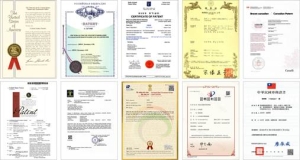
Traceability and granularity are special and patented platform features enabling software changes to be traceable. As a result, there is no need for the many complexities of new product releases.
Traceability also enables the platform to be an enterprise process map using the logic of any propagation between attributes and processes.
Traceable logic furthermore guarantees the explainability of algorithms and the unambiguous propagation of logic across the data model and is an essential part of ensuring clarity and predictability.
An enterprise map with proper risk related co-ordination
A marine domain goal model that reads like a map provides situational assessment of any part of the enterprise the client wishes to focus on. It also provides substantial decision support to the decision-makers by integrating emails and documents with enterprise processes in enterprise software into a converging goal map.
20 years of Ulysses product and services to Exmar Ship Management
In parallel, Ulysses Systems is celebrating 20 years of Ulysses product and services to Exmar Ship Management.
The concurrent New Platform Launch with the 20 Years of Ulysses Product and Services to Exmar Ship Management is indicative of Ulysses Systems commitment to software that always improves, demonstrated by 20 years with Exmar and another 20 going forward. enabled by the new web platform.
We are deeply thankful to Exmar for the opportunity to serve them and especially for the extremely high standards and outstanding expertise they have provided in guiding our product improvement.
Throughout this period the software has been evolving at a significant pace, showing ground breaking new features, all of which are available to Exmar and all our clients, through seamless upgrades without having to redevelop any client specific features.
The reason is that, from the start, Ulysses Systems unique platform architecture enabled continuous product improvements without ever confronting clients with upgrade cost and complexity.
Now, the newly launched Ulysses Systems Maritime Applications Platform embraces another 20 years of future developments without imposing the slightest discontinuity to customers. This significant advantage is owed to the sophistication of the original platform and thanks to sustained periods of research, development and investment in the new platform.
About Ulysses Systems
Ulysses Systems is a Maritime Software specialist dedicated to replacing information technology complexity and elevating usability. Its award-winning Task Assistant® Software enables office and seagoing personnel to work intuitively and efficiently with minimal training and just-in-time information. We Managers should expect a fast return on total software lifecycle cost thanks to mature process optimization, bridging of information gaps and refined integration technologies. Currently Ulysses Systems is pioneering fast development of new annexes to existing software, including monitoring underlying systems for cybersecurity compliance
Image - Patented certificates: Domain module computation unit, System containing a model of an enterprise, Single board computational unit, Grid of computational units, Method to provide propagation traceability, and Non-transitory computer program product
ELNAVI Newsletter
More Information: ELNAVI,
19, Aristidou str., Piraeus 185 31,
Tel.: +30 210 45.22.100, e-mail: This email address is being protected from spambots. You need JavaScript enabled to view it.
IBIA held its Annual Convention in Athens
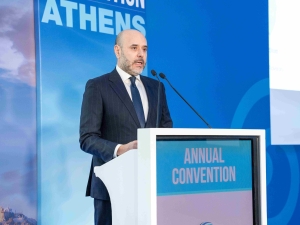
IBIA - The International Bunker Industry Association announced the establishment of its European Regional Board at the IBIA Annual Convention, held in Athens attended by over 250 delegates. The event, which began with opening addresses from Alexander Prokopakis, Executive Director of IBIA, and Constantinos Capetanakis, Chair of IBIA, set the stage for insightful discussions on the future of marine fuels and industry collaboration.
Distinguished keynote speakers included Christos Stylianides, Greece’s Minister of Maritime Affairs and Insular Policy, and George J. Tsunis, U.S. Ambassador to the Hellenic Republic.
The IBIA Convention in Athens brought together industry leaders and specialists from across the global bunker sector, creating an unparalleled platform for knowledge exchange and forward-thinking discussions. Panels focused on emerging trends in alternative fuels, regional regulatory challenges, and the drive for environmental stewardship, fostering rich dialogue and collaboration on the industry’s most pressing issues.
Constantinos Capetanakis, IBIA Chair announced the formation of IBIA’s European Regional Board completing the association’s commitment to establishing five regional boards worldwide, which include Africa, Americas, Asia and Middle East, this reflects IBIA’s strategic focus on addressing regional issues through localised leadership. This new board will enhance cooperation within the European bunker and shipping sectors, address pressing regional challenges, and support IBIA’s mission to promote a sustainable and equitable marine fuel landscape.
The European Regional Board will be chaired by Charlotte Rojgaard, Global Marine Fuels Director at Bureau Veritas Verifuel. She will be joined by influential industry leaders: John Stirling, Director of Marine Technical at World Fuel Services; Kenneth Juhls, Managing Director at ZeroNorth Bunker; Andrea Realfonzo from Grimaldi Group’s Corporate Bunker & Chartering Department; Sofia Furstenberg Stott, Partner at Furstenberg Maritime Advisory; Peter Grunwaldt, Vice President at Hafnia; Jan Christensen, Senior Director, Fuels, Lubricants & Chemicals, Hapag-Lloyd AG and Capt John Ghio, CEO & Captain of the Port, Gibraltar.
Reflecting on her new role, Charlotte Rojgaard stated, “It is an honour to lead IBIA’s European Regional Board. We have a unique opportunity to drive meaningful progress on issues specific to Europe’s diverse and dynamic bunker industry. With this team, we are well-equipped to tackle both today’s challenges and tomorrow’s opportunities in marine fuels and environmental stewardship”.
IBIA’s regional boards play a critical role in fostering local engagement, promoting best practices, and addressing region-specific concerns within a global framework. With an array of expertise, the European Board members are committed to elevating industry standards, promoting sustainability, and advancing cooperation across the sector.
About IBIA: IBIA (The International Bunker Industry Association) is the voice of the global bunker industry and represents all stakeholders across the industry value chain. Our membership includes ship owners/operators, bunker suppliers, traders, brokers, barging companies, storage companies, surveyors, port authorities, credit reporting companies, lawyers, P&I clubs, equipment manufacturers, shipping journalists and marine consultants. Formed in 1992, today has members in more than 80 countries.
IBIA promotes improved standards, knowledge and understanding in the industry. We do this through a variety of events and courses, engaging in working groups, by disseminating reliable and accurate information and offering practical advice where we can. We also lobby for effective, pragmatic and workable regulations. One of the most important arenas for that is at the International Maritime Organization (IMO) where IBIA has consultative status as a non- governmental organisation. IBIA attends all meetings of the IMO’s Marine Environment Protection Committee (MEPC), the Maritime Safety Committee (MSC) and a number of Sub-Committees.
ELNAVI Newsletter
More Information: ELNAVI,
19, Aristidou str., Piraeus 185 31,
Tel.: +30 210 45.22.100, e-mail: This email address is being protected from spambots. You need JavaScript enabled to view it.
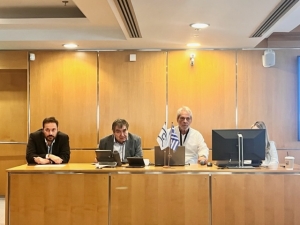
On October 31, 2024, Danaos Research Center hosted the 3rd Hellenic EU Maritime Research Workshop at Danaos Auditorium, bringing together a distinguished group of professionals, researchers, and industry leaders committed to advancing EU Maritime Research and Innovation with strong Hellenic contributions.
This event showcased cutting-edge presentations on a range of EU Maritime Research Projects focused on key areas that are shaping the future of the maritime industry. Topics covered included:
- Efficiency & Optimization
- Energy Retrofits & Sustainability
- Cybersecurity & Big Data Analytics
- Digitalization, Robotics & IoT
These essential themes are at the forefront of the push to create a more innovative, resilient, and environmentally sustainable maritime sector.
The event was moderated by Dr. John Kokarakis, and with esteemed Speakers: Dr. George Kosmadakis, Prof. Sotirios Karellas, Dr. Takis Katsoulakos, Dr. Antonis Antonopoulos, Mrs. Georgia Tsiochantari, Prof. Takis Varelas, Mrs. Evelina Bintevinou, Dr. Kyriakos Mahos, Dr. Dimitris Kaklis, Dr. Apostolos Gkountas, Prof. Marc Bonazountas, Mr. Jason Markatos, Prof. Leonidas Ntziachristos, Mr. Leonidas Drikos, Mr. Fotis Oikonomou, Prof. Stathes Hadjiefthymiades, Dr. George Bravos, Mr. Konstantinos Louzis, Prof. Nikolaos P. Ventikos, Dr. Elias Chatzidouros, and all attendees, whose valuable insights are contributing to the advancement of the maritime sector.
“Together, we continue to explore new frontiers in maritime research, pushing boundaries in digitalization, energy efficiency, and sustainable practices. We look forward to continuing our journey toward a more innovative and sustainable maritime future.
Let’s navigate the future of maritime research together!”, stated the DCR team.
ELNAVI Newsletter
More Information: ELNAVI,
19, Aristidou str., Piraeus 185 31,
Tel.: +30 210 45.22.100, e-mail: This email address is being protected from spambots. You need JavaScript enabled to view it.
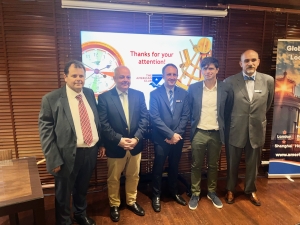
In an effort to examine innovative and effective ways of loss prevention The American Club informed the members for critical operational issues, at a Piraeus Marine Club a Claims & Loss Prevention seminar.
Andrew Dyar, Regional Claims Director EMEA - VP/ Global Claims Eagle Ocean Marine at The American P&I Club, opened the event.
Dr. Konstantinos Galanis, Director of Technical, Operations and Sustainability, Dido Shipping presented the topic: “Riding the ship recycling waves towards sustainability and decarbonisation”. Dr. Galanis also mentioned: “If you think compliance is expensive try non-compliance. To prove your sustainability you have to adopt a waste management policy as recycling material has a remarkable value”.
Stamatis Fradelos, Vice President of Regulatory Affairs, American Bureau of Shipping, spoke about: “Decarbonization: Regulatory developments and industry impact”.
Mr. Fradelos referred to revised IMO GHG reductions strategy, international shipping GHG Trends and IMO Net Zero framework.
Captain Nikos Taktikos, Technical Consultant SCB (Hellas) referred to the topics: “Coming up short: A technical perspective for tankers” and “Coming up short: A technical perspective for dry cargo”.
Dr. William Moore, Global Loss Prevention Director The American Club, gave an update to loss prevention practices. He said The American Club protects and helps shipowners to decarbonize and deal with any risk arises.
The Club has developed a mobile app, digital tools and publications for ship crew. In general it provides guidance to assist shipowners to avoid claims.
The Club identifies incidents trends from Member’s claims, regulatory changes and inputs from Members. It also provides Education & Training tools, pre-employment medical examinations (PEME), best practices, guidance, posters & comics, detailed e-learning modules by MARPOL STS, IMSBC code, etc.
Seafarers from Bulgaria, India, Indonesia, Latvia, Philippines must obtain PEME’s from Club’s approved clinics on Club approved forms.
Focus is given on awareness, education of crew, enhancing ships standards through survey efforts, disseminate info to members through various communication means and ramping up efforts on sustainability and decarbonisation.
ELNAVI Newsletter
More Information: ELNAVI,
19, Aristidou str., Piraeus 185 31,
Tel.: +30 210 45.22.100, e-mail: This email address is being protected from spambots. You need JavaScript enabled to view it.
V.Group celebrates 40th anniversary

Milestone comes as company positions itself to lead shipping through an unprecedented era of transformation
V.Group, celebrates its 40th anniversary this month. The milestone comes as the company embarks on a new growth chapter bolstered by its recent change in ownership.
With a robust capital structure, its wealth of experience and ability to operate on a global scale, V.Group (V.) is positioned to support the global shipping industry as it navigates evolving complexities, from regulatory compliance and geopolitical risk, through to its decarbonisation and digitalisation drives.
Since being founded in 1984, V.’s network has expanded from managing 35 vessels to servicing over 3,500 ships across the tanker, gas carrier, bulk, container cruise and offshore segments.
V.Group’s continued growth is driven by its steadfast commitment to delivering safe operations and remaining the industry’s Committed Partner of Progress for Everything at Sea.
Recent years have also seen V.Group expand its V.Services portfolio of marine services into a core part of its business, enabling the organisation to provide a holistic, end-to-end solution for its clients, across ship management, crew wellbeing (catering, travel, digital payment cards), supply chain, technical services, insurance and more.
At the heart of V.Group’s operations is its network over 44,000 seafarers across all segments, each of them supported by an onshore team of c. 3,000 colleagues in over 30 countries and 50 offices around the world. V.’s global network of onshore teams boasts a wealth of specialised industry knowledge built over decades of experience. Many of these onshore teams are staffed by former crew members, reflecting V.Group’s strong focus on ship-to-shore career progression opportunities.
V.Group actively prioritises crew recruitment, wellbeing, retention and training, providing a wide range of services, from physical and mental health and training, to a focus on career progression opportunities across V.’s vast fleet, all contributing to a >90% retention rate for senior officers.
Meanwhile, V.Group has also invested significantly in digitalisation across its operations and offers a unique end-to-end digital platform. V.Group’s ShipSure is a digital platform that combines V.Group’s wealth of historical data with advanced machine learning and human capital to help the industry better optimise energy use, evaluate a vessel’s performance, identify trends and predict future performance to effectively manage its vessels, voyages and crew.
Commenting on the milestone, René Kofod-Olsen, CEO, V.Group, said: “The last 40 years have been a rehearsal for the success to come over the next 40 years and beyond. As the industry continues to transform at an exceptional pace, our mantra remains as important as ever: ‘Never Not Act’. We’re at the ready to support our clients in navigating the industry’s complexities, backed by our proven track record, global scale, and digital-first way of working. It’s a strategy we’re laser focused on, as we continue to enable safe, profitable and sustainable operations.
ELNAVI Newsletter
More Information: ELNAVI,
19, Aristidou str., Piraeus 185 31,
Tel.: +30 210 45.22.100, e-mail: This email address is being protected from spambots. You need JavaScript enabled to view it.
International Maritime Union of Greece organised FONASBA’s Annual Meeting 2024 in Athens
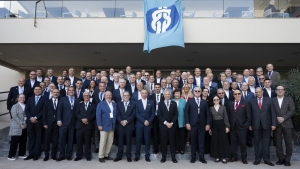
On 16-18 October, FONASBA (the Federation of National Associations of Ship Brokers and Agents) held its annual meeting in Athens, Greece. The meeting brings together key players from the shipping value chain in a spirit of collaboration to discuss best practice and help shape the future of the industry. This year’s event, which was hosted by the International Maritime Union, drew a record attendance of delegates from over 40 countries.
The historic heart of maritime trade
Addressing the delegates at the meeting, outgoing President Javier Dulce said, “I am pleased to address you with my final speech as President. As you know by now, I am a strong believer in team work. As such, I want to pay tribute to the whole board who have worked incredibly hard and I would like to thank them for their commitment. Going forward I encourage each of you to take part in the extensive activities we’ve begun in recent months. The progress we have achieved confirms the vibrant role FONASBA continues to play in shaping the future of our sector.
“This Annual Meeting in Athens, at the historic heart of maritime trade, offers us a great opportunity to work together, share experiences, enhance our knowledge and help our federation to develop further into the future. It has been an honour to serve FONASBA. I am incredibly proud of what we have achieved together in advancing our goals. I remember saying, during my first speech as President of FONASBA, that we wanted to work with and for our members. At the end of my last speech, let me say that we must continue to work with and for our members because they are the essence of FONASBA’s existence. Thank you for your continued support, and I wish you all the best for the future.”
A new era of leadership
The Council meeting concluded with the election of FONASBA’s new board. Signalling a new era of leadership, Fulvio Carlini of Italy officially succeeded Javier Dulce as FONASBA’s President.
The FONASBA Board now consists of the following members:
Fulvio Carlini, President (Italy)
Javier Dulce, Past President (Argentina)
Botond Szalma, Executive Vice-President (Hungary)
Dureid Mahasneh, President Designate, and Regional Vice-President Middle East (Jordan)
Mohamed Mouselhy, Regional Vice-President Africa (Egypt)
Marcelo Neri, Regional Vice-President Americas (Brazil)
Takazo Iigaki, Regional Vice-President Asia (Japan)
Raymond Troch, Regional Vice-President Europe and Chair, ECASBA (Belgium)
Antonios Venieris, Chair, Education and Quality Committee (Greece)
Julio Delfino, Chair, Ship Agent Committee (Argentina)
Bahadir Tonguç, Chair, Ship Broking Committee (Turkey)
Adaptability, sustainability, collaboration
In addition to the networking opportunities afforded by this gathering of international shipping industry representatives, delegates attended a series of seminars and presentations delivered by top-tier speakers.
The meeting featured a forward looking agenda, representing FONASBA’s commitment to advancing the shipping industry with a focus on adaptability, sustainability and member-driven collaboration. Topics discussed were varied and included subjects such as environmental regulations, the future of maritime training, maritime digitalisation, the impact of geopolitical events and seafarers’ welfare, demonstrating FONASBA’s role as a forum for addressing critical industry concerns in an ever-changing landscape.
Key moments of the event included a workshop entitled ‘Show Me the Money’ delivered by ITIC, highlighting best practices in compliance and risk management. In addition, there were discussions on agency agreements and FONASBA’s quality standards, held in the presence of FONASBA’s close partner BIMCO.
Firm foundation for the future
Speaking during the meeting, FONASBA President Fulvio Carlini said, "I would like to offer my thanks to Javier Dulce for his service to FONASBA during his presidency. His hard work has done much to ensure the federation of the positive position it enjoys today and provides me with a firm foundation on which to build during my term as president.
“I would also like to thank IMU for their warmth and kindness in hosting this event. Due to their meticulous planning, the annual meeting ran smoothly and showed the best of Greek culture and hospitality.
“I look forward to working, together with my fellow board members, in supporting our members in the coming period. As this meeting highlights, there are some interesting times ahead for our industry. We are, however, incredibly proud of the progress made by FONASBA and our members’ commitment to addressing the transformative challenges of our industry. The environmental and digital challenges, combined with the geopolitical shifts we face today, require adaptability and resilience—qualities that FONASBA has championed since 1969.”
ELNAVI Newsletter
More Information: ELNAVI,
19, Aristidou str., Piraeus 185 31,
Tel.: +30 210 45.22.100, e-mail: This email address is being protected from spambots. You need JavaScript enabled to view it.
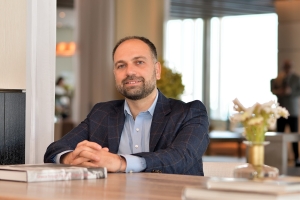
By Stefanos N. Roulakis, Principal SCHOLASTICUS LAW PLLC
In what has become a quadrennial tradition, I am taking a look at how shipping could be affected by the U.S. Presidential Election. I am surprised to be writing that this is my third analysis of Donald Trump’s candidacy for President. In 2016, his campaign predictions were subdued due to his lack of a policy track record. As I noted to Tradewinds, it was clear that Iran would likely be a focal point, despite some moderate positions espoused on the campaign trail. In 2020, I predicted that the Biden administration would promote offshore renewable energy. Particularly advancing the U.S. offshore wind sector. However, the geopolitical impact on shipping, particularly from the war in Ukraine, was largely unforeseen. This legacy will continue to significantly affect the shipping sector should Kamala Harris be elected.
Some argue that the election will not have a huge outcome for our sector. In a sense, I agree: our industry has existed for 3,000 years and knows how to adjust to change. An election in one country will not be earth-shattering. Just as every comma in a charter party has significance, an election in a country with an outsized impact on shipping regulation and global trade will have an effect on the maritime industry.
Background and Big Picture Issues
This election is historic for the U.S., marking the first time since Nixon, Ford, and Carter (1973-1981) that there will be three presidents in eight years, with back-to-back single-term presidents for the first time since 1897.[1] If elected, Donald Trump would be the first non-consecutive two-term president since Grover Cleveland.[2] It is historic that the Democratic Party has nominated a Black and South Asian woman as a candidate, which is unprecedented in U.S. History.
U.S. political stability has been declining since 2015-2016, reflecting past instabilities like the inflationary periods of the 1970s and 80s.[3] In addition to the above history, it is unheard of that a major party’s nominee has withdrawn so late in an election cycle. Shipping has thrived in the “pax Americana” of the post World War II period. Whether this will continue beyond this election or whether a more multipolar world will take its place.
Analysis
The election may significantly impact shipping in variety of areas critical to shipping, including LNG, sanctions, environmental regulations, offshore wind, and other areas of concern to industry. Certain areas important to the U.S., such as debates over the role of administrative agencies, may impact various sectors as well.
LNG
The LNG transport sector has rapidly grown and become highly profitable. This has been influenced by the Ukraine war, which has reduced Russian gas exports. U.S. exporters and LNG transport companies have benefited significantly. However, the Biden-Harris administration’s pause on new LNG facility permits may hinder investment and growth. If these policies continue under a Harris presidency, U.S. LNG exports and the global maritime LNG transport sector could decelerate.
A Trump presidency would likely promote U.S. LNG exports, driven by a mercantilist trade view. However, such policies could backfire, as past tariffs on Chinese exports caused China to cease imports of U.S. LNG.
International Relations and Sanctions
Sanctions are fundamentally tools of U.S. foreign policy implemented through legal means. As such, they are intrinsically linked to the U.S.’s approach to international relations. Despite taking a mild stance on sanctions in the run-up to the 2016 election, the Trump administration made targeting shipping companies as a central strategy. It would likely take a tougher approach on Venezuela while using sanctions relief to negotiate broader deals with Russia and North Korea.
The Biden-Harris administration has embraced a multilateral sanctions approach, coordinating with allies to target specific economic sectors. Sanctions have been used to implement Russia policy, improve relations with Venezuela, and expand measures against Iran amid Middle East conflicts. This trend is likely to continue under a potential Harris administration.
Russia/Ukraine
Trump plans to take a different approach to the Ukraine war than the Biden-Harris administration, likely easing sanctions and offering relief for peace. In contrast, Harris remains committed to Ukraine and would likely escalate sanctions as the conflict continues.
Middle East
The Biden-Harris administration has increased sanctions on Iran to support Israel amid rising conflicts with Iranian proxies in Lebanon. Candidates are unlikely to differ significantly on this issue, as they generally align on Iran-Israel relations. Both administrations have seized Iranian oil and expanded sanctions against Iran.
North Korea
Trump has pledged to improve U.S. relations with North Korea, surprising allies amid the latter’s support for Russia and missile tests. In contrast, the Biden-Harris administration has maintained the embargo, indicating that a Trump presidency could shift regional dynamics.
Venezuela
Harris and Trump would likely have different approaches to Venezuela. The Trump administration intensified sanctions from 2017 to 2020, targeting shipping companies and expanding sanctions. In contrast, the Biden-Harris administration has aimed to offer sanctions relief for democratic reforms and has issued individual licenses to some energy companies.
This foreign policy issue has turned into a domestic policy issue for the U.S. There are large Venezuelan and Cuban expatriate communities in Florida, a state with a large electoral vote which largely supports Trump but previously voted for Obama. In its analysis of this sea-change, Vox media credited this in part to Trump’s tougher stance on Venezuela and Cuba.
Environment
The Biden administration has made good on its promise to “encourage and incentivize compliance by private sector entities” using criminal and civil enforcement means. The difference in enforcement of environmental laws has been stark. The Biden administration took significant steps to increase enforcement of both the Environmental Protection Agency’s Vessel General Permit and other maritime environmental laws. Should Trump prevail, it is likely that we would see a decrease in enforcement.
A Trump administration would also likely work to change policy on environmental issues. One key area for the maritime industry is the Vessel Incidental Discharge Act (“VIDA”). VIDA has had a long history, becoming law in 2018, going through litigation, and recently having had an EPA final rule issued. However, to become enforceable, the Coast Guard would have to promulgate a corresponding rule. The previous Trump administration was unsupportive of rulemaking—requiring abolition of two rules for every one promulgated—so a Trump presidency could see a further pause on VIDA.
Administrative State
U.S. maritime industry regulation relies on administrative agencies to address issues like the environment, sanctions, safety, and cabotage. Conservative backlash against the administrative state has influenced current law. The Trump administration complicated rulemaking and supported limiting the administrative state, while Harris has advocated for using these agencies to establish rules on various topics. A loss of agency authority could lead to regulatory uncertainty for companies trading and doing business in the U.S.
Port workers Strike
The U.S. narrowly avoided a strike by East Coast port workers this October by delaying the issue until January. Vice President Harris supported the longshoremen, stating that “foreign-owned shipping companies have made record profits” and that longshoremen “deserve a fair share” of that money. Trump similarly supported longshoremen, many of whom, including ILA President Harold Dagget, are also reported to support Trump.
Both candidates would likely support the longshore workers’ positions, but their approaches may differ. It is hard to imagine President Trump negotiating from the sidelines.
Offshore Wind
Vice President Harris is a strong advocate for offshore wind energy. She has supported the expansion of offshore wind in the U.S., leading to opportunities for offshore construction vessels and prompting non-U.S. companies to establish offices in the U.S. to market their services. Joint ventures and partnerships across the Atlantic have also developed.
Tariffs & Trade
Since 2016, both parties have embraced protectionism. The U.S. has not signed a free trade agreement since the Obama administration (although the Trump administration renegotiated NAFTA). This was largely driven by the 2016 Trump campaign’s move to promote American industry and tighten borders. As president, he imposed significant tariffs and trade barriers—some legally questionable—and has promised to do so again if elected.
President Harris has taken a moderate stance that may benefit global trade. She has urged trade partners, especially China, to follow established guidelines but has avoided threatening tariffs or aggressive posturing.
Opposing approaches could significantly affect the maritime industry, particularly in the container sector—shipping goods from Asia to the U.S.—and the bulk sector, which supplies materials. A Trump presidency may focus on reducing U.S. imports, potentially lowering global shipping volumes.
Jones Act
I have noted that the Jones Act is amended “approximately as often as the U.S. Constitution.” Both parties support it, and previous administrations made no significant efforts to expand or restrict the status quo.
However, certain aspects of the Supreme Court’s rollback of the administrative state may limit U.S. Customs and Border Protection’s ability to rule on the Jones Act, potentially affecting the emerging offshore wind sector.
Conclusions
The maritime industry has adapted to the vicissitudes of history, from tyrants, kings, emperors, most serene republics, and the recent rise (and potential decline) of liberal democracy. It is certain that the industry will adjust to the U.S. election results. A Trump presidency may reduce opportunities for shipping due to decreased trade and increase uncertainty as the regulatory process stalls. In contrast, a Harris presidency would favor environmentally focused companies and provide few significant global changes from the current administration.
[1] Ford completed Nixon’s term after his resignation, and McKinley succeeded Cleveland in 1897.
[2] 1885-1889, 1893-1897. Teddy Roosevelt, McKinley’s successor, also ran for a non-consecutive term as President in 1912 but did not succeed.
[3] https://prosperitydata360.worldbank.org/en/indicator/WB+WWGI+PV+PER+RNK
ELNAVI Newsletter
More Information: ELNAVI,
19, Aristidou str., Piraeus 185 31,
Tel.: +30 210 45.22.100, e-mail: This email address is being protected from spambots. You need JavaScript enabled to view it.
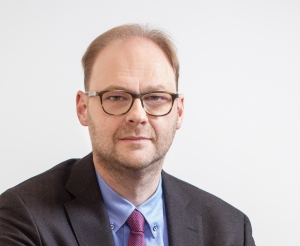
SEA Europe, representing European shipyards and maritime equipment manufacturers, calls on the European Commission to maintain the European added value condition for the upcoming call of the European Innovation Fund dedicated to maritime decarbonisation.
According to this requirement, first introduced in the 2023 funding call, financial support to shipyards for projects involving ship construction or refurbishment is only accessible to shipyards based in EU Member States, Norway, or Iceland.
The Innovation Fund plays a pivotal role in accelerating maritime decarbonisation efforts, supporting the development and scaling of cutting-edge technologies spearheaded by European shipyards and equipment manufacturers. With European taxpayers funding these initiatives, SEA Europe emphasizes the importance of prioritizing the full spectrum of Europe’s maritime cluster – including shipowners, ports, alternative fuel suppliers, shipyards, and technology developers – to create synergies and develop viable business cases that benefit the entire ecosystem.
In line with the goals set out for the upcoming European Industrial Strategy announced by the European Commission, SEA Europe stresses the need for the Innovation Fund to enhance the competitiveness, sustainability, and resilience of Europe’s maritime manufacturing sector.
Christophe Tytgat, Secretary General of SEA Europe, highlighted: “European public funding must deliver tangible benefits to Europe. Our shipyards and maritime equipment manufacturers are essential to the decarbonisation of Europe’s maritime sector. Yet, they face intense competition from Asia, where shipbuilding dominance is a strategic priority, linked to geopolitical influence. To keep pace, safeguard our technological expertise, and revitalize industrial capabilities, the European shipbuilding value chain requires robust EU backing. Turning the European Innovation Fund into an unintended windfall for Asian shipbuilders would be a grave strategic mistake."
SEA Europe strongly advocates for a balanced distribution of support across the maritime sector, reinforcing the strategic importance of retaining key technologies and industrial capabilities within Europe.
ELNAVI Newsletter
More Information: ELNAVI,
19, Aristidou str., Piraeus 185 31,
Tel.: +30 210 45.22.100, e-mail: This email address is being protected from spambots. You need JavaScript enabled to view it.
MAG Offshore has acquired 20-strong offshore support vessel (OSV) fleet of Atlantic Navigation (“Atlantic”), listed in Singapore under ticker 5UL.SI. This fleet, comprising 20 high-quality OSVs of various types, is currently serving top-tier clients across key markets in Saudi Arabia, Qatar, and United Arab Emirates. MAG Offshore (“MAG”) is a strategic partnership between the Blue Ocean maritime strategy managed by EnTrust Global (“Blue Ocean”), Maas Capital (“Maas”), Allianz Marine Services (“Allianz”), and the Goldenport Group of Companies (“Goldenport”).
EnTrust Global is a global alternative asset manager with over $15 billion in total assets, and its Blue Ocean strategy is a leading provider of capital within the maritime industry, having deployed over $4.5 billion since its inception. Maas is a longstanding investor in the maritime industry and has partnered with Blue Ocean on various transactions since its original portfolio of assets was acquired by Blue Ocean in 2021. Allianz, which will oversee the management of the combined MAG fleet, is a well-established OSV owner and operator based in Dubai with significant operations in the Middle East and the Indian subcontinent.
Goldenport, headquartered in Athens, is a renowned international shipping group with diverse interests, including a significant presence in the dry bulk and tanker sectors. Prior to this acquisition, MAG owned four modern OSVs operating in the GCC region. The company was formed with a clear mission: to pursue a disciplined “buy and build” strategy across the Middle East, Southeast Asia, and Africa. This latest acquisition reflects MAG’s commitment to expanding its fleet through both bolt-on acquisitions and organic growth. The company remains focused on safe operations and delivering best-inclass offshore support services to NOCs, IOCs and EPC companies.
This transaction marks a significant milestone in MAG’s journey to becoming a premier OSV owner with vessels operating across the Middle East, Southeast Asia, and Africa. In order to ensure a seamless transition for its clients, MAG will retain Atlantic to continue to provide ship management services on selected assets on a temporary basis. MAG extends its gratitude for their invaluable expertise and support in executing this deal to the National Bank of Fujairah, which provided acquisition financing supporting the transaction, Alantra Corporate Finance (DIFC) Limited, which acted as sole financial advisor to the transaction and Watson Farley & Williams LLP, which acted as legal advisors to MAG.
Mark Ras, Managing Partner of Maas Capital Partners, commented: “We are delighted to continue building our business in the Middle East and Southeast Asia and to be doing this with trusted and professional partners. The MAG investment adheres to our core investment values of building and investing in assets, companies, and markets with strong underlying growth, that are underserved and undersupplied. Last, but not least, with whom we do business is at least as important as, when and what business we invest in”.
Murali Krishna, Director of Allianz Marine Services, commented: “Allianz is excited to partner with Maas and Goldenport in this unique platform that combines the financial strength and industry experience of its partners.
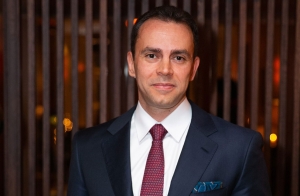
This investment reinforces our confidence in the offshore energy services industry and aligns with our vision to be the partner of choice in delivering top-tier marine logistics support and integrated project solutions” John Dragnis, CEO of Goldenport Group of Companies, commented: “We are pleased to announce the expansion of the group into the offshore sector in partnership with Maas Capital and Allianz Marine Services. The investment reflects our conviction that energy transition will take place at a more realistic pace and that the offshore oil & gas sector will continue to play a key role in the future”.
image: Mr. John Dragnis, CEO of Goldenport Group of Companies
ELNAVI Newsletter
More information: ELNAVI,
19, Aristidou str., Piraeus 185 31,
Tel.: +30 210 45.22.100, e-mail: This email address is being protected from spambots. You need JavaScript enabled to view it.