


-
Home

-
Maritime Training
- elnavi

elnavi
CYPRUS CAPITAL LINK FORUM 2025 Charting a new course adopting innovative and sustainable solutions
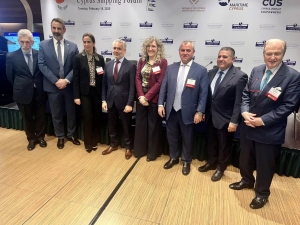
Mr. Nicolas Bornozis, President – Capital Link, Inc. opened the proceedings of the forum noting that on April 4th a special event called invest in Cyprus will take place in New York promoting Mr. George A. Tsavliris, Principal – Tsavliris Salvage Group Conference Chairman presented Marina Hadjimanolis Shipping Deputy Minister to the President Republic of Cyprus.
In her speech Mrs Marina Hadjimanolis thanked the Cypriot Union of Shipowners (CUS) and welcomed the audience at the Limassol the Cyprus’ capital of shipping.
She marked that 2025 will be a challenging year to face the challenges of sustainability and digital transformation adopting innovative solutions and efficient strategies.
We aim at a maritime center of excellence and customer orientated registry. She outlined that a significant increase of gross registered has been achieved during the last years.
Cyprus is a strong advocate of sustainable shipping focusing on 3 main pillars innovation collaboration and compliance with IMO requirements.
KEYNOTE PRESENTATION FOLLOWED BY A 1X1 DISCUSSION
In this session Mr. Nicolas Montanios, Partner – Montanios & Montanios LLC interviewed Mrs Marina Hadjimanolis regarding the strategies and the future plans of the Cyprus ship Registry.
Ms Hadjimanolis expressed her determination to embrace change making the industry more resilient and prosperous. She marked that Cyprus is one of the best flags in the world with quality service and flexibility. A great variety of shipping activities are placed at Limassol from the ship owing & Shipmanagement to logistics and legal insurance and other related entities. Cyprus is a sovereign flag with a history of 60 years which was cultivated by pioneering Cypriot shipowners and other shipping personalities.
Cyprus has solid foundations to continue the legacy and development of the shipping sector.
The government intends to strengthen the Human Resources in the Cyprus department of shipping and the cooperation with the maritime industry offering incentives for the green shipping and taking the necessary initiatives with Cymepa to attract young people to the shipping profession.
Cyprus also gives tremendous emphasis in building strong shipping relations with other countries such as Hong Kong Katar Oman and of course as a European Union member to lobby in EU for promoting the interests of the EU shipping sector to remain competitive and profitable. The education of seafarers is also an important issue that’s why Cyprus has a strategic plan to attract young people in the shipping profession and continue the fruitful cooperation with academies like Tsakos Nautical Academy in Chios and Mediterranean Nautical Academy in Piraeus and LARNACA.
She noted that Maritime Cyprus of 2025 will take place on October 6th.
Concluding Mr Tsavliris mentioned also that what Cyprus has achieved in the last years is a great miracle compared with the size of the country however due to the strong will and determination of the people that are involved in this dynamic industry Cyprus is one of the largest shipping nations in the world with a growing and expanding ship Registry.
Mr. Ezekiel Davis, Vice President, Regional Business Development, Europe – ABS FLEET decoded EU ETS & FUEL EU and referred to the implications, challenges & opportunities. He explained the importance of fleet pooling and focused on the reliable data for managing financial exposure of the company and updating commercial contracts to include terms for the coverage of FUELEU and EUETS.
The positive impact is that working with these regulations you can optimize their operations and comply with environmental standards.
Finally, he referred to ABS solutions and services on these critical areas.
COMPETITIVENESS IN THE ENERGY TRANSITION ERA: FUEL CHOICES, UPGRADES & RENEWAL STRATEGIES
The panel was moderated by Dr. John Kokarakis, Technical Director, SEEBA Zone – Bureau Veritas. The following prominent figures participated as Panelists: Ms. Alkistis Kyriakopoulou, Chief Business Officer – DeepSea Technologies, Mr. Konstantinos Stampedakis, Co-Founder & Managing Director – ERMA FIRST GROUP, Mr. Aristides Pittas, Chairman & CEO – Euroseas Ltd. (NASDAQ: ESEA) & EuroDry Ltd. (NASDAQ: EDRY), Mr. Philippos Philis, Chairman & CEO – Lemissoler Navigation Co. Ltd, Dr. Loukas Barmparis, President – Safe Bulkers, Inc. (NYSE: SB)
Mr. Stampedakis mentioned some decarbonisation technologies like duct fins air lubrication and carbon capture systems.
Mrs. Kyriakopoulou explained how collection of high frequency data can improve the efficiency of ship. Therefore, the investment on quality collection of data using sensors and exploiting the existence of a qualified team can benefit to the fleet overall performance and efficiency.
Barmparis said that dual fuel vessels are more expensive and what fuel will prevail lies in the future therefore ordering a newbuilding is a difficult task.
Safe Bulkers has two kamsarmax with methanol fuel as it is a safer solution for the future and already exists.
Mr. Pittas mentioned that his company has retrofitted all vessels with fuel saving equipment which is an important measure that can improve the ships’ efficiency up to 25% and at the end of the day we have to follow IMO regulations to contribute to the carbon emissions reduction.
Mr. Phillis told that the majority of dual fuel vessels are methanol powered because of its a maturing technology. His company has covered 75% of its needs for alternative fuels signing future contracts to offset the potential deficit that will be presented from 2029 and onwards.
All speakers noted that what we need is uniformity and clarity in the decarbonisation process although Trump is not in favor of the environmental protection measures.
Mr. Pittas pointed out that we are more European and we care about the climate change and we should follow IMO rules trying to balance between the various aspects and implement realistic and viable solutions.
In any case IMO rules must be carbon and technology neutral.
CHARTING A NEW COURSE: SHIP FINANCE OPTIONS & STRATEGIES AMID CHANGING MARKET DYNAMICS
The panel was moderated by Ms. Ester Toumpouris, Deputy Head of Office (Limassol) – Hill Dickinson LLP and the following speakers were appointed as Panelists: Mr. Nicholas Pavlidis, Head of Shipping – Bank of Cyprus, Mr. Hugues Calmet, Senior Vice President Head of DNB Athens Representative Office – DNV, Mr. Aris Patounas, Head of Shipping – Hellenic Bank, Mr. Ronis Kyperesis, Head of Accounting and Finance – Pelagic Partners; CFO – Hartmann Holdings.
All the speakers stated that over regulation and unilateral measures hurt the industry therefore the financial institutions must be able to meet the needs and requirements of their clients to ensure that they have adequate financial resources to implement the new environmental standards towards the energy transition in shipping.
AI IN MARITIME OPERATIONS: SUCCESSFUL ADOPTION AND RISK MANAGEMENT STRATEGIES
The topic was presented by Ms. Christina Orfanidou, Director, AI & Data – Deloitte Cyprus.
Mrs. Orfanidou pointed out that AI is not a matter of technology but rather an issue of human culture, appropriate architecture and engagement of stakeholders.
OPTIMIZING SHIP MANAGEMENT: BALANCING SAFETY, INNOVATION, SUSTAINABILITY, REGULATION, & NEW TRADE DYNAMICS
The panel was moderated by Ms. Anthi Miliou, Global Maritime Commercial Director – Lloyd’s Register and the following prominent Panelists: Mr. Mark O’Neil, President & CEO – Columbia Group; Former President – InterManager, Mr. Dieter Rohdenburg, CEO – InterMaritime Shipmanagement Ltd., Mr. Spyros Vlassopoulos, Managing Director – Ionic Group.
Mr. Vlassopoulos underscored that the biggest challenge of today is to achieve the decarbonisation goals combining technological advancements and regulatory conformity.
Another one great challenge is the digital transformation. The future of Shipmanagement lies with the regulatory agility and technological innovation.
Mark O’ Neil told that technology will be the forcing power for adopting renewable sources and green energy improving the efficiency of our industry.
On the same time shimpmanagemnt companies must focus on human resource management which is also very important, one stop shop and value-added service for optimizing operations.
Mr. Vlassopoulos referred to the role of new technology in eliminating management burden and operational risks.
Mr. Rohdenburg said that you have to develop a safety culture training people according to the highest standards.
Speakers discussed the importance to train and up skilling the people onboard and in the office on the proper familiarization of the alternative fuels and also commented on the strategies adopted to attract young people in the shipping sector.
NAVIGATING NEW CURRENTS IN CYPRIOT & GREEK WATERS: TRENDS & DEVELOPMENTS IN MARITIME FINANCE
The above topic was by presented by: Mr. Andreas Papachristodoulou, Partner – Stephenson Harwood
NAVIGATING THROUGH TURBULENCE & TRANSFORMATION - SHIPPING MARKETS IN MOTION - DEVELOPMENT & OUTLOOK
Presented by: Ms. Angelica Kemene, Head of Market Analysis & Decarbonisation Strategies – Optima Shipping Services
TRENDS & OUTLOOK FOR GLOBAL COMMERCE, ECONOMY & SHIPPING CHARTERERS’ INSIGHTS
The panel was Moderated by Mr. Polys Hajioannou, CEO – Safe Bulkers, Inc. (NYSE: SB); Vice President – Cyprus Union of Shipowners and the following Panelists discussed the issue: Mr. Mohammed Bin Battal, President – Bahri Dry Bulk, Mr. Robert Schreve, Senior Freight Trader – Olam Agri.
According to a speaker the most important challenges in the Middle East region is the port infrastructure and the appropriate partnerships to address the environmental requirements.
The speakers don’t expect that tariffs will have a major impact on the dry bulk market however the rates will follow a volatile and unpredictable pattern. Regarding the compliance of the environmental they take them into consideration and they prefer to charter energy efficient and eco-friendly ships.
Despite the geopolitical events the speakers expect that the dry bulk sector will recover in the next 1-2 years due to the increase of world’s population and the improvement of prosperity. Additionally, if a peace agreement is achieved between Russia and Ukraine then the market will continue to grow.
They commented on the importance of digitalization process in shipping which affects the ships’ performance and efficiency.
In all cases market volatility, it’s an opportunity to improve the overall performance and quality of ships.
The speakers referred to the FFA market which is a useful and essential tool managing and hedging the charterers’ risks.
DIGITALIZATION & CYBERSECURITY – CHALLENGES & STRATEGIES FOR THE MARITIME INDUSTRY
The panel was moderated by Mr. George A. Tsavliris, Principal – Tsavliris Salvage Group; Conference Chairman. The following l Panelists discussed the above topics: Mr. Alexander Oswald, Group Director IT – Columbia Group, Mr. Russell Kempley, Chief Propositions and Security Officer – CyberOwl, Mr. Panos Theodossopoulos, CEO – Metis.
The digitalization vendors have a critical mission to assist the shipping industry to minimize the carbon emissions until an alternative fuel is adopted and assess the vessels’ efficiency.
1X1 DISCUSSION - SHIPPING – SAILING THROUGH TRANSFORMATION & DISRUPTION
Mr. Nicolas Bornozis, President – Capital Link, Inc. interviewed Dr. Anil Sharma, Founder and CEO – GMS & Lila Global.
NAVIGATING THE GLOBAL SHIPPING LANDSCAPE & SHIPOWNERS’ INSIGHTS
The shipowners’ panel was moderated by Mr. George Teriakidis, Regional Manager for Southeast Europe – DNV Maritime and the following distinguished panelists were appointed the discussion: Capt. Stephanos E. Angelakos, CEO – Angelakos (Hellas) S.A., Mr. Andreas Hadjiyiannis, CEO – Cyprus Sea Lines / Hellenic Tankers; President – Cyprus Union of Shipowners, Ms. Semiramis Paliou, CEO – Diana Shipping Inc. (DSX); Chairperson – HELMEPA & INTERMEPA, Mr. George Mouskas, CEO – Olympic Ocean Carriers / Zela Shipping, Mr. Polys Hajioannou, CEO – Safe Bulkers (NYSE:SB); Vice President – Cyprus Union of Shipowners, Ms. Nicole Mylona, CEO – Transmed Shipping Co.
The panel asked what are the main challengers of shipping.
Mr. Angelakos told that the financial sector has changed dramatically with China entering very dynamically. Another one challenge is the increased protectionism and the de globalization of the trade.
Paliou supported that keeping the company and finding talented people with new competencies and skills in order to remain competitive and reliable.
New regulations the coming constantly is the major challenge and this has a tremendous impact to the renewal of the fleet according to Mr Mouskas.
Continuity adaptability and flexibility for a shipping company are the major challenges facing Ms Mylona.
Mr. Hajioannou is concerned about the decarbonisation process however he marked that market is not predictable and therefore you must be creative.
Tackling the unpredictability of the market was the 2nd question of the moderator. Angelakos follows a diversification policy to face the volatility of the market.
Maintaining low leverage and strong liquidity is the main motto for Ms Paliou until the market recovers. Other strategies are collaboration with other stakeholders and banks. The speakers agreed to meet the decarbonisation challenges of 2050 is so tremendous and the expense so vast that collaboration is essential between all stakeholders in shipping to find the right solutions focused on realistic solutions. Mr Mouskas said that it is not shipowners’ responsibility to provide the sustainable fuels but suppliers’ task to cooperate with engine manufacturers and provide the carbon neutral fuel.
In Hadjioannou’s experience the beauty of shipping is the market volatility and the capability to predict the market in order to optimize your company’s operations and commercial profitability.
Mr. Mouskas commented on IT and cybersecurity saying that everyone must be aware and vigilant about these challenges following training programs onboard and in the office. All speakers agreed that the Greek shipping industry is well aware what is happening with cyberattacks in the communication systems to protect the ships and the companies in the best possible extend.
The last question was the problem of the crew shortage. Angelakos told that as a captain he tries to be close to the ships’ crew and adopting regular training programs.
Seafaring scarcity will be the problem of the future according to Paliou and moreover seafarers have be reskilled and up skilled to adapt to the technology requirements.
Other measures include connectivity with their families, private medical insurance and monitoring of the medical care etc.
Ms Mylona focuses on improving the qualifications and retain the competent and skilled seafarers and providing performance incentives. Mr Hadjioannou also told that the crew count very much if you care of the safety and health of your employees asking if we trade in Black Sea and Suez Canal.
The CLOSING REMARKS made by Mr. George A. Tsavliris, Principal – Tsavliris Salvage Group Conference Chairman.
ELNAVI Newsletter
More Information: ELNAVI,
19, Aristidou str., Piraeus 185 31,
Tel.: +30 210 45.22.100, e-mail: This email address is being protected from spambots. You need JavaScript enabled to view it.
Angelicoussis Group launches Maran Shuttle Tankers
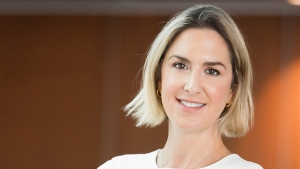
After the acquisition of Altera Shuttle Tankers L.L.C. by Maistros Shiptrade Limited on January 16, 2025, Altera Shuttle Tankers L.L.C. (AST) has changed name to Maran Shuttle Tankers L.L.C.
A filing on the Euronext Oslo Børs revealed on Tuesday that Altera Shuttle Tankers L.L.C. has changed name to Maran Shuttle Tankers L.L.C. with effective date on and from 17 February 2025.
Angelicoussis Group affiliate Maistros Shiptrade Limited made a major deal last year to take over Altera Shuttle Tankers for an undisclosed sum in a major move into the sector.
Maistros Shiptrade Limited is a company affiliated with the Greek Angelicoussis Group, a large privately owned shipping group, with 144 vessels on the water and 23 vessels (including three shuttle tankers) on order.
Through Athens-based companies, Maran Tankers Management, Maran Gas Maritime and Maran Dry Management, the Group operates a diversified fleet serving the oil, gas and dry cargo markets.
“AST’s long-standing relationships and highly sophisticated fleet of tankers, combined with a common culture of excellence and commitment to a sustainable future, mean that together, AST and our Group are firmly positioned to offer best-in-class services to clients across the expanding shuttle tanker market”, said Maria Angelicoussis, CEO of the Angelicoussis Group.
ELNAVI Newsletter
More Information: ELNAVI,
19, Aristidou str., Piraeus 185 31,
Tel.: +30 210 45.22.100, e-mail: This email address is being protected from spambots. You need JavaScript enabled to view it.
DryDel Shipping takes delivery of M/V “Capri Island”
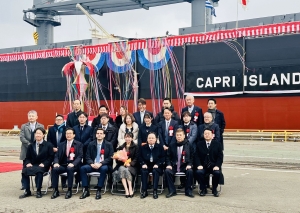
The latest addition to DryDel’s fleet, M/V Capri Island, a 40,000-dwt handysize was delivered recently in view of the company’s ambitious newbuilding program.
The vessel joined DryDel’s long-term chartered-in fleet from close Japanese owners in February.
The vessel was built at Namura Shipbuilding Co Ltd (Imari Shipyard) and its efficiency showcases the unmatched quality of Japanese engineering.
The company expressed its deepest appreciation to Mr. Fotis Mourikis, DrydDel’s Director-Head of Business Development, who served as the godfather during this traditional naming ceremony.
Despite the challenging market, the company intends to expand its fleet in the future ahead!
ELNAVI Newsletter
More Information: ELNAVI,
19, Aristidou str., Piraeus 185 31,
Tel.: +30 210 45.22.100, e-mail: This email address is being protected from spambots. You need JavaScript enabled to view it.
Panama strengthens the quality of its merchant fleet
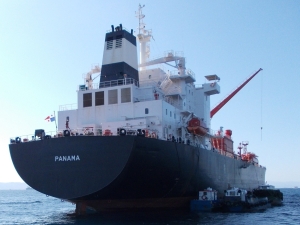
According to the latest evaluations, Panama has achieved a 96.5% compliance rate with international maritime safety and environmental protection standards. This milestone reinforces the quality and credibility of the Panama Ship Registry, ensuring a modern, well-maintained fleet that adheres to global regulations.
The Panamanian fleet undergoes regular evaluations based on criteria established by key international frameworks, including various Memoranda of Understanding (MoUs) such as Paris, Tokyo, the Mediterranean, the Indian Ocean, the Black Sea, the U.S. Coast Guard, the Caribbean, Riyadh, Abuja, and the Viña del Mar Agreement.
In its ongoing efforts to enhance fleet quality, the Panama Maritime Authority (PMA), through the General Directorate of Merchant Marine (DGMM), has intensified its oversight, removing vessels from the registry that fail to meet stringent safety and compliance standards.
This fleet optimization strategy has further demonstrated Panama’s commitment to excellence and sustainability. The latest World Fleet Monitor report from Clarksons Research reflects this, ranking Panama favorably as the flag state for 15% of the world’s merchant fleet tonnage.
"We maintain a zero-tolerance policy against any misuse of the Panama Ship Registry. We are not a shelter for sanction evasion. Our priority is to attract modern, newly built vessels that fully comply with international regulations," stated Ramón Franco, Director General of the DGMM.
According to DGMM data, Panama's Ship Registry recorded a net growth of 468 vessels in 2024. As reported by IHS Markit, the registry closed the year with a total of 8,773 ships and 248.8 million Gross Register Tonnage (GRT).
As part of Panama’s strategy to attract modern and sustainable vessels, 2024 saw the registration of 408 newly built ships, contributing over 9.4 million GRT. This growth highlights the exclusive advantages offered by the Panamanian flag, a key factor in maintaining its position as the world’s leading ship registry, as emphasized by Director Franco.
ELNAVI Newsletter
More Information: ELNAVI,
19, Aristidou str., Piraeus 185 31,
Tel.: +30 210 45.22.100, e-mail: This email address is being protected from spambots. You need JavaScript enabled to view it.
AMMITEC marks 22 years of maritime technology excellence at traditional "Pita Cutting" celebration
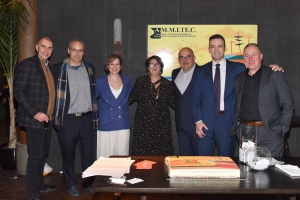
AMMITEC, the professional association for IT managers in the Shipping industry, hosted its annual "Pita Cutting" ceremony at the Istioploikos restaurant in Piraeus. The event, which has become a cornerstone of the maritime technology calendar, drew an unprecedented gathering of over 360 members, sponsors and industry leaders.
The vibrant celebration showcased the continued growth of AMMITEC's influence, with attendance surpassing previous years. Members and sponsors enjoyed an evening of strategic networking and the much-anticipated lottery featuring premium prizes contributed by AMMITEC's dedicated sponsors.
Building on its founding vision from 2003, AMMITEC has evolved into an indispensable force in maritime technology innovation. The organization's journey spans more than two decades of fostering digital transformation and technological advancement in the shipping industry.
The 'Pita Cutting' ceremony concluded on a high note, with attendees enjoying music, cocktails and animated networking that continued well into the evening, reflecting the dynamic spirit of the maritime technology community.
About AMMITEC: AMMITEC stands as the leading professional association for IT managers in the shipping industry. Since its establishment in 2003, the organization has been instrumental in facilitating knowledge exchange, fostering professional networks and driving technological innovation within the maritime sector. Through its initiatives, AMMITEC continues to shape the future of maritime technology and digital transformation.
ELNAVI Newsletter
More Information: ELNAVI,
19, Aristidou str., Piraeus 185 31,
Tel.: +30 210 45.22.100, e-mail: This email address is being protected from spambots. You need JavaScript enabled to view it.
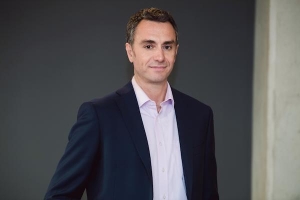
Allied Shipbroking appointed Stefanos Fragos as its new Chief Executive Officer, effective immediately.
With a wealth of long experience in ship financing and corporate finance, Stefanos will play a key role in expanding our core activities, enhancing our key competencies, and strengthening our global brand as we continue our commitment to delivering superior services to our clients.
Before joining Allied Shipbroking, Stefanos Fragos led Braemar's corporate finance division in Greece, where he was responsible for developing financing solutions for a diverse range of shipowners. Prior to that, he established and headed the ship lending business at YieldStreet, a U.S.-based financial technology platform focused on supporting small to mid-sized shipowners. His deep expertise in ship financing was cultivated during his tenure at German ship lender DVB, where, in his last five years, he was responsible for originating and managing a portfolio of term loans for internationally renowned shipowners.
Stefanos Fragos holds a BSc and MSc in Marine Engineering from the University of Newcastle upon Tyne, as well as an MSc in Shipping, Trade & Finance from BAYES Business School.
Image: Stefanos Fragos new CEO of Allied Shipbroking
ELNAVI Newsletter
More Information: ELNAVI,
19, Aristidou str., Piraeus 185 31,
Tel.: +30 210 45.22.100, e-mail: This email address is being protected from spambots. You need JavaScript enabled to view it.
IBIA recognises that 2025 is a very significant year for the regulation of GHG emissions from international shipping. Respecting fully the views of all IMO Member States, IBIA wishes to reiterate its support for the adoption of a maritime GHG emissions pricing mechanism that establishes an IMO GHG fund to facilitate a just transition, including supporting the development of alternative fuel infrastructure for production and supply to international shipping. Such an IMO GHG fund would complement a global GHG Fuel Standard that IBIA also consider as necessary to signal and drive the investments needed going forward.
IBIA considers a IMO GHG fund as the best way to close the cost gap between conventional fossil fuels and the alternative zero and net-zero fuels that are needed for shipping to meet the goals of the 2023 IMO GHG Strategy. To lower its contribution, levy or fee, shipping will be incentivized to use alternative fuels and then using a clear and transparent methodology the funds generated can then be disbursed to stimulate innovation and development of alternative fuels and other important needs identified by the Member States.
IBIA acknowledges the concerns expressed by some Member States regarding governance after the establishment of a IMO GHG fund but we consider that the Organization has significant experience of successfully administering funds and we therefore have confidence in the Secretary-General and the IMO staff.
IBIA supports the objectives of the mid-term measures which are to achieve the IMO’s GHG reduction goals while ensuring no one is left behind. The technical element, the global GHG Fuel Standard, serves as a goal-based measure mandating the transition to zero or net zero GHG emission fuels and technologies, thereby reducing life cycle GHG emissions. In addition, IBIA recognises that the 2023 IMO GHG Strategy should also provide incentives for the international fleet and establish resources to support a just and equitable transition. These objectives cannot be fully realized through the implementation of the GHG Fuel Standard and alternative compliance approaches alone.
ELNAVI Newsletter
More Information: ELNAVI,
19, Aristidou str., Piraeus 185 31,
Tel.: +30 210 45.22.100, e-mail: This email address is being protected from spambots. You need JavaScript enabled to view it.
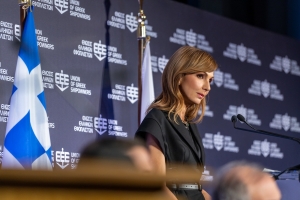
The members of the Union of Greek Shipowners reassured their confidence to Melina Travlou during the recent elections to lead the Union for the next three years.
The new board of directors was formed as follows:
President: Travlou N. Melina
Vice-Presidents: Chandris D. Michael, Laimos N. Antonios Th.
Secretaries: Veniamis Th. Nikolaos, Fafalios I. Dimitrios
Deputy Secretaries: Giouroukos D. Georgios, Prokopiou G. Ioanna
Treasurer: Xylas A. Giannis
Deputy Treasurer: Karousis I. Konstantinos
Members: Angelicoussis I. Maria, Angelopoulos K. Georgios, Kanellakis Ch. Antonios, Karageorgiou K. Georgios, Coustas D. Ioannis (Dr.), Konstantakopoulos V. Konstantinos, Lekanidis S. Ioannis, Livanos G. Stavros, Lyras K. Ioannis, Margaronis I. Georgios, Marinakis M. Evangelos, Martinos K. Nikolaos, Nomikos A. Markos, Economou Ch. Georgios, Paliou S. Semiramis, Papagiannopoulos A. Vasileios, Pappas P. Alexander, Pittas I. Aristides, Sarakakis D. Dimitrios, Fragista A. Maria, Frangou N. Angeliki.
Ms. Melina Travlou stated: “I’ m deeply honored and humbled to take on the role of President of the Union of Greek Shipowners for the second consecutive time.
I would like to thank all my colleagues for their unanimous, honorary trust.
United, we will continue to defend Greek shipping, as a global symbol of leadership and pride of our homeland.”
ELNAVI Newsletter
More Information: ELNAVI,
19, Aristidou str., Piraeus 185 31,
Tel.: +30 210 45.22.100, e-mail: This email address is being protected from spambots. You need JavaScript enabled to view it.
CAPITAL LINK ATHENS FORUM 2025 The leadership award was presented to Thanassis Martinos
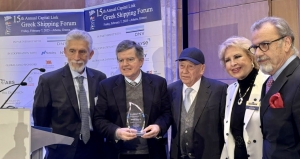
Mr. George Teriakidis, Regional Manager for Southeast Europe – DNV Maritime and Mr. Nicolas Bornozis, President – Capital Link, Inc. opened the proceedings of the forum.
SHIPPING & TRADE IN A SHIFTING WORLD- CHALLENGES & OPPORTUNITIES
In this session Moderator was Mr. Michalis Pantazopoulos, Senior Vice-President – Liberian Registry (LISCR Hellas) and Panelists were Mr. Elias Triantafyllidis, Regional Bulk Carrier Segment Director, South East Europe Region – DNV Maritime, Dr. Gaby Bornheim, President – German Shipowners' Association (VDR); Managing Director – Peter Döhle Schiffahrts-KG, Mr. Tim Wilkins, Managing Director – INTERTANKO • Mr. Gordon Robertson, Head of Greece – NorthStandard, Mr. Joe Kramek, President & CEO – World Shipping Council.
FUEL & FLEET STRATEGIES: DRIVING THE SHIPPING ENERGY TRANSITION
Moderator was Mr. Ezekiel Davis, Vice President, Regional Business Development, Europe – ABS and Panelists: Mr. Mark O'Neil, President & CEO – Columbia Group; Former President – InterManager, Mr. Mikki Koskinen, Managing Director – ESL Shipping Ltd.; Vice President – European Community Shipowners’ Associations (ECSA), Mr. Polys Hajioannou, CEO – Safe Bulkers Inc. (NYSE: SB); Vice President – Cyprus Union of Shipowners, Mr. Hing Chao, Executive Chairman – Wah Kwong Maritime Transport Holdings; Co-Founder & Chairman – Hong Kong Chamber of Shipping.
Mr O’ Neil told that ESG narrative changes every day because of the Tramp election and we have to formulate our strategy to that new reality. We must be flexible and very much open to any solution that might reduce the carbon emissions.
Mr Hajioannou told that Safebulkers started the decarbonization process earlier than other companies as US listed company ordering new ships and installing energy saving equipment.
The company has also ordered Dual fuel methanol kamsarmax vessels but for the first 2-3 we don’t think that they will have a better employment.
As president of Cyprus Shipowners we are trying to ensure that the taxation ETS and FUEL-EU not burden on our shoulders but they mus be charged to the commercial operators and the charterers.
Mr Chao stressed that build competencies for alternative fuels was a crucial task and achieving optimization of existing ships.
Mikki Koskinen agreed we must retaain the eu shipping competitiveness.
BANK FINANCE PANEL
Moderator was Mr. Jasel Chauhan, Partner, Head of International Finance – Hill Dickinson LLP and Panelists were Mr. Philipp Wünschmann, Head of Shipping – Berenberg, Mr. Chris Conway, Managing Director, Global Head of Transportation – Export Agency Finance – Citi, Mr. Christos Tsakonas, Global Head of Shipping – DNB, Mr. Evan Cohen, Managing Director & Group Head of Maritime Finance – First Citizens Bank.
The speakers told tha regarding sanctions and geopolitical risks the name of the game for banks is compliance and follow a proactive approach. Tariffs is also a very concerning topic for banks as can influence negatively the volume of the seaborne trade. As for the energy transition issue the banks have designed special lending services and products to facilitate their clients demands.
MARKET UPDATE: FUELEU
Moderator was Mr. Alexander Prokopakis, Executive Director – International Bunker Industry Association (IBIA).
Panelists: Mr. Theo Kourmpelis, Strategic Business Partner – Lloyd’s Register, Mr. Ralf Garrn, Managing Director – OceanScore
The speaker told that FUELEU is one the most typical topics to promote the uptake of the alternatives fuels offering a lot of incentives and rewards.Vessels that do not comply will be less attractive.
If you have a surplus you can also sell it in a pool of vessels. It’s a hugely complex regulation and you can make money from FUEL-EU.
The alternative fuel order book is booming and this is going to be intensified.
ALTERNATIVE FINANCE PANEL
Moderator: Mr. Chris Vartzis, Partner, Head of Maritime Finance, Greece – Stephenson Harwood
Panelists: Mr. Nicholas M. Petrakakos, Partner & Managing Director, Maritime & Offshore Investment Banking – Alantra, Mr. George Fikaris, Managing Director – EnTrust Global.
Mr. Kevin Kou, Director of Europe and America Department (Shipping) – ICBC Financial Leasing Co., Ltd., Mr. Iraklis Tsirigotis, Director of Origination – Neptune Maritime Leasing Ltd.
The speakers marked that alternative finance is open to smaller groups however it’s more difficult for them to comply with the new environmental regulations and this should be take into consideration. In any case the track of a shipowner matters a lot and the quality of the assets as well.
The speakers are very concerned with the impact of the geopolitical events in the shipping market. However they don’t see any default scenarios as most of the companies have earned a lot of money during the last few years from the favorable conditions in the market.
NAVIGATING OPPORTUNITIES – INVESTMENT PERSPECTIVES IN THE MARITIME SECTOR
Moderator was Ms. Alexia Hatzimichalis, Partner, Athens Office Head – Watson Farley & Williams and Panelists: Mr. Christian Rychly, Head of Shipping – MPC Capital; COO – MPC Container Ships, Mr. Tobias Backer, Executive Director – Pelagic Capital,
Mr. Nicolas Tirogalas, Chief Investment Officer – Tufton Investment Management.
The speakers commented on the unpredictable situation that the shipping industry is experiencing today and the evaluation of investments in this capital intensive industry.
A good investment opportunity of today is the listed shipping companies with well corporate structure.
In his keanote speech H.E. Christos Stylianides Minister of Maritime Affairs & Insular Policy Hellenic Republic said that Greece is a great supporter of the environmental rules in the framework of IMO. We have to overcome regional measures and European Commission have to cooperate with IMO to incentivize the reduction of emissions by imposing a levy on shipping. We should support by providing the necessary means for compliance following a holistic approach to decarbonize the shipping sector.
This transition will require a blend of financing instruments.
Green transition should not jeopardize the dominance of Greek shipping in Europe and globally.
In conclusion we must keep our competitiveness in the shipping sector especially in Europe and retain a unified regulatory framework globally under the guidance of IMO.
AWARD CEREMONY
The KEYNOTE SPEAKER Mr. Apostolos Tzitzikostas Commissioner European Commission for Sustainable Transport & Tourism (VIA Webcast) marked that shipping is one of the most dynamic industries employing almost 2 million people and the European Commission works with members state for more competitive and sustainable solutions like hybrid vessels, adoption of AI, research institutions, green technologies, supply of sustainable fuels.
EU also aims at strengthening the competitiveness of the shipbuilding sector. In this difficult way towards energy transition shipping is not alone as will be financed by the EU funds for more environmental
INTRODUCTORY REMARKS also made by Ms. Elissavet Vozemberg– Vrionidi Chair, Committee on Transport and Tourism European Parliament.
CAPITAL LINK GREEK SHIPPING LEADERSHIP AWARD
The shipping leadership award of 2025 presented to Mr. Thanasis Martinos Managing Director Eastern Mediterranean Maritime Limited and introduced by Mr. George M. Foustanos Maritime Historian & Founder Greek Shipping Miracle & Mr. George Prokopiou Founder Dynacom Tankers Management; Dynagas Ltd. (DLNG) / Sea Traders.
Mr Martinos is not only a successful businessman but he has also a huge philanthropic contribution.
He started with his mother Nounou purchasing a ship in 1964. He was inspired by his love in shipping. He was educated in Athens and London. He loved shipping because of his independent and competitive nature. He is also a keen supporter of the social solidarity supporting religious, health, cultural and educational projects.
In 1974 with his brothers Dinos and Andreas founded Thenamaris increasing its fleet to over 50 ships. In 1991 he founded his own company Eastern Mediterranean following an impressive course.
Thanassis Martinos is one Greatest philanthropists and benefactors of Greece.
His friend George Prokopiou referred to the ecclesiastic contributions of Thanassis Martinos and his wife Marina and their friendship from the early years of their lives.
Mr Martinos completes 60 years in shipping and deserves many more awards.
In his address Th. Martinos thanked Mr Foustanos and G Prokopiou for their presentations and told that shipping is in DNA of Greeks and it flows in our veins.
With Mr Foustanos shares his love for maritime history and G Prokopiou was instrumental to his career in shipping.
Mr Martinos made also a review of the current shipping developments and focused on the beneficial course of the tanker sector after the Russian invasion into Ukraine.
He commented that if tariffs will be imposed in China, they will have a negative effect on the shipping market. Finally, he marked that AI cannot predict the future adventure of Greek shipowners.
KEYNOTE REGULATORY ROUNDTABLE
Moderator in this interesting topic was Mr. George Teriakidis, Regional Manager for Southeast Europe – DNV Maritime with panelists Dr. Dorota Lost-Sieminska Director, Legal Affairs & External Relations Division International Maritime Organization (IMO) and Ms. Fotini Ioannidou Director, DG for Mobility & Transport European Commission.
Dr Sieminska referred to the most concerning issues of IMO which are the decarbonization process, criminalization of seafarers, fake flag states, attacks in the Red Sea and AI role in shipping.
Ms Ioannidou highlighted on the geopolitical situation, welfare of seafarers are some issues of concern. When it comes to decarbonization is a great challenge for E.C.and has a very bold framework making sure that these efforts will benefit the EU shipping competitiveness.
EC has FUELEU ETS and a legislation covering the infrastructure to support all involved in this process achieving targets in the less possibly cost for shipping. We stand with IMO and we have a constructive partnership.
Dr Sieminska reminded that although shipping contributes less than 3% of GHG emissions and carries more than 90% of global goods IMO has taken a lot of measures like EEXI IMO sulphur cap special emission areas GHG emissions by 40% in 2030.
Regarding the biggest challenges of decarbonization the speakers referred to the availability and price of new fuels however EC will scale up the production supporting with financing tools to develop the necessary infrastructure.
Other challenges include training of seafarers to deal with new technologies, safety and global consensus.
KEYNOTE INDUSTRY LEADERSHIP ROUNDTABLE STEERING THE COURSE - DRIVING THE INDUSTRY FORWARD
Moderator was Mr. Nicholas Brown, Corporate Affairs Director, Marine & Offshore – Bureau Veritas and Panelists: Mr. Nikolaus Schües, President & Chairperson of the Board – BIMCO; CEO – Reederei F. Laeisz, Mr. John Xylas, Chairman – INTERCARGO; President & CEO – Ariston Navigation Corp,
Mr. Guy Platten, Secretary General – International Chamber of Shipping (ICS), Dr. Nikolas P. Tsakos, Chairman – INTERTANKO (2014-2018); Founder & CEO – TEN Ltd.
Mr Schües referred to the phrase drill baby drill which a stupid one as will let China to become leader in the decarbonization process.
Nicholas Tsakos marked that shipping likes open borders and free trade without tariffs.
Mr. Xylas told that shipping has made a significant progress by applying practical solutions route optimization and energy saving equipment.
Mr. Tsakos agreed that the industry has made a significant progress and especially tankers follow the common rules of IMO in any given period. We have proved that we have scored when ever it was needed to adopt more environmental measures reinventing ourselves.
The speakers also told that the vast majority of sea pollution is caused by shore industries and not from shipping. Plastics and other wastes are coming mainly from the rivers and other sources. We should realize that we must take a responsible action before regulators as Helmepa did 42 years ago. Shipping supports clean up initiatives and other environmental projects because all are involved love the sea.
According to Mr Tsakos another great challenge in shipping is the lack of seafarers to find people who love the sea.
ELNAVI Newsletter
More Information: ELNAVI,
19, Aristidou str., Piraeus 185 31,
Tel.: +30 210 45.22.100, e-mail: This email address is being protected from spambots. You need JavaScript enabled to view it.
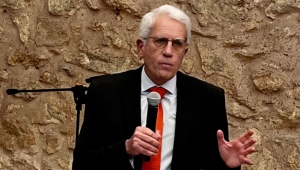
The global maritime industry stands at a critical juncture, with increasing pressure to reduce greenhouse gas emissions, improve energy efficiency, and meet stringent environmental regulations. Among the myriad of alternative energy solutions being explored, nuclear propulsion emerges as a compelling option, offering the potential for zero-emission, high-efficiency power generation. While nuclear technology has successfully powered naval vessels and icebreakers for decades, its adoption in commercial shipping remains a complex and ambitious challenge.
Aiming at the role of nuclear technology in shipping Mr. Harilaos Petrakakos, a 45-year experienced Nautical Architect of P&P Marine Consultants explained during the January meeting the principles, advancements, and feasibility of nuclear technology as a transformative solution for the shipping industry’s energy transition.
Mr. Petrakakos said: “Nuclear propulsion offers unparalleled energy density and endurance, making it particularly suitable for large ships operating on long-haul routes. However, its implementation raises critical questions about safety, regulatory compliance, economic viability, and public acceptance. As the shipping sector looks beyond traditional fuels toward innovative propulsion systems, this session provides a platform for maritime engineers, regulators, and stakeholders to engage in a thoughtful dialogue on the role of nuclear technology. By bridging the gap between atoms and oceans, we can envision a future where nuclear propulsion contributes to a cleaner, more sustainable maritime industry while maintaining the reliability and efficiency that global trade demands”.
ELNAVI Newsletter
More Information: ELNAVI,
19, Aristidou str., Piraeus 185 31,
Tel.: +30 210 45.22.100, e-mail: This email address is being protected from spambots. You need JavaScript enabled to view it.