


Navigating the Decarbonization Horizon
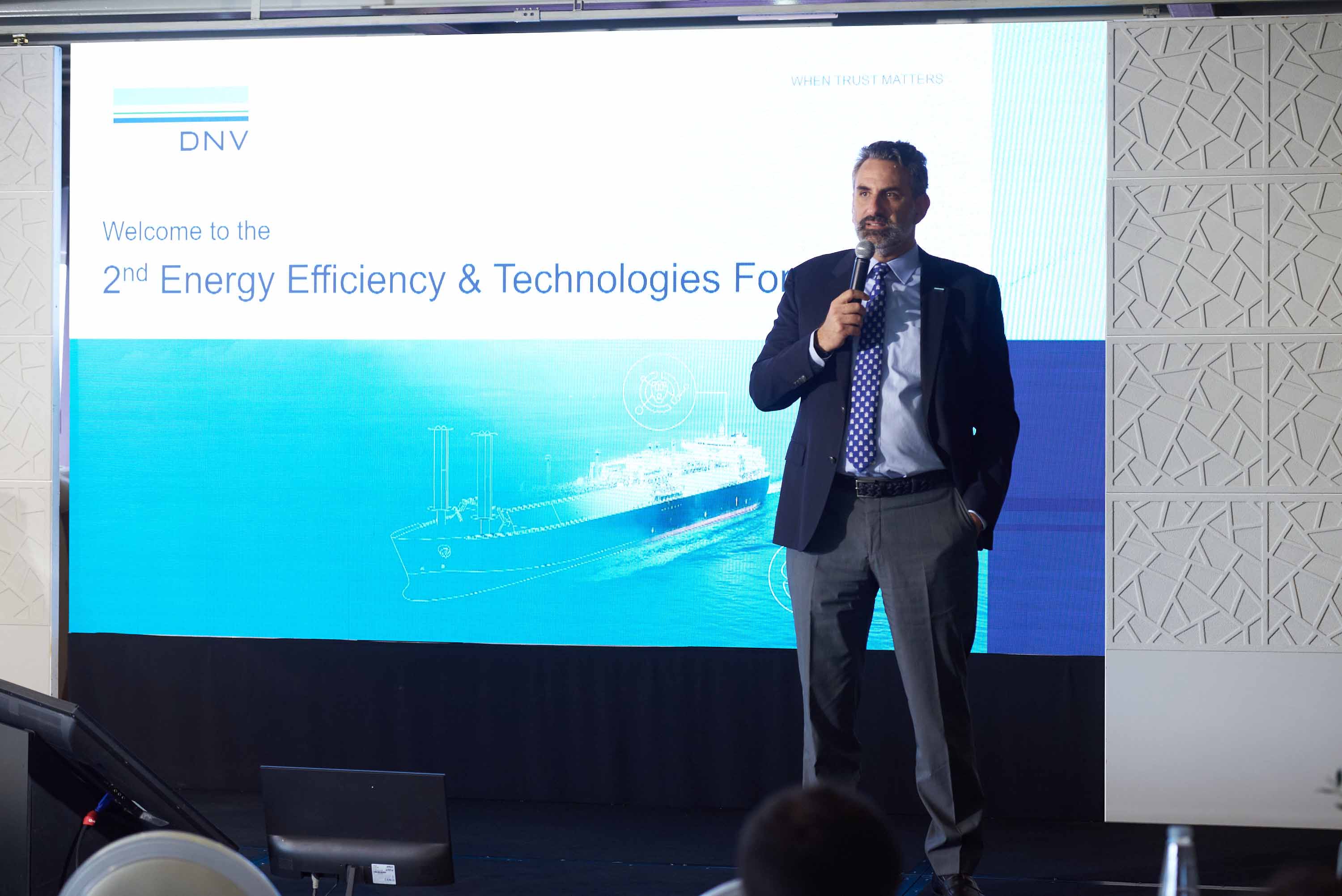
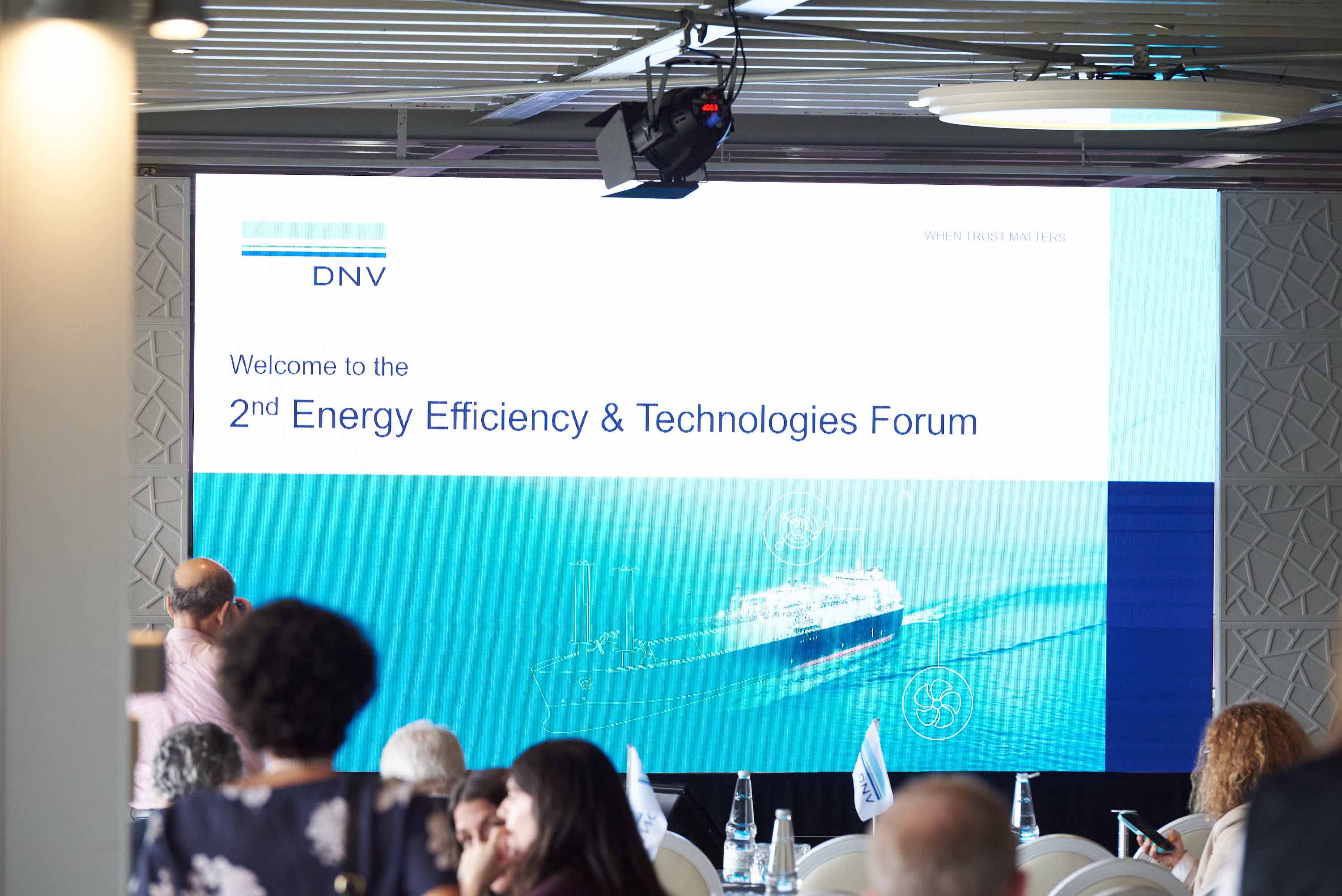
The global maritime industry stands at a critical crossroads, where tightening environmental regulations converge with complex technological choices. Providing a timely platform for these pressing discussions, DNV recently convened its 2nd Energy Efficiency & Technologies Forum in Athens.
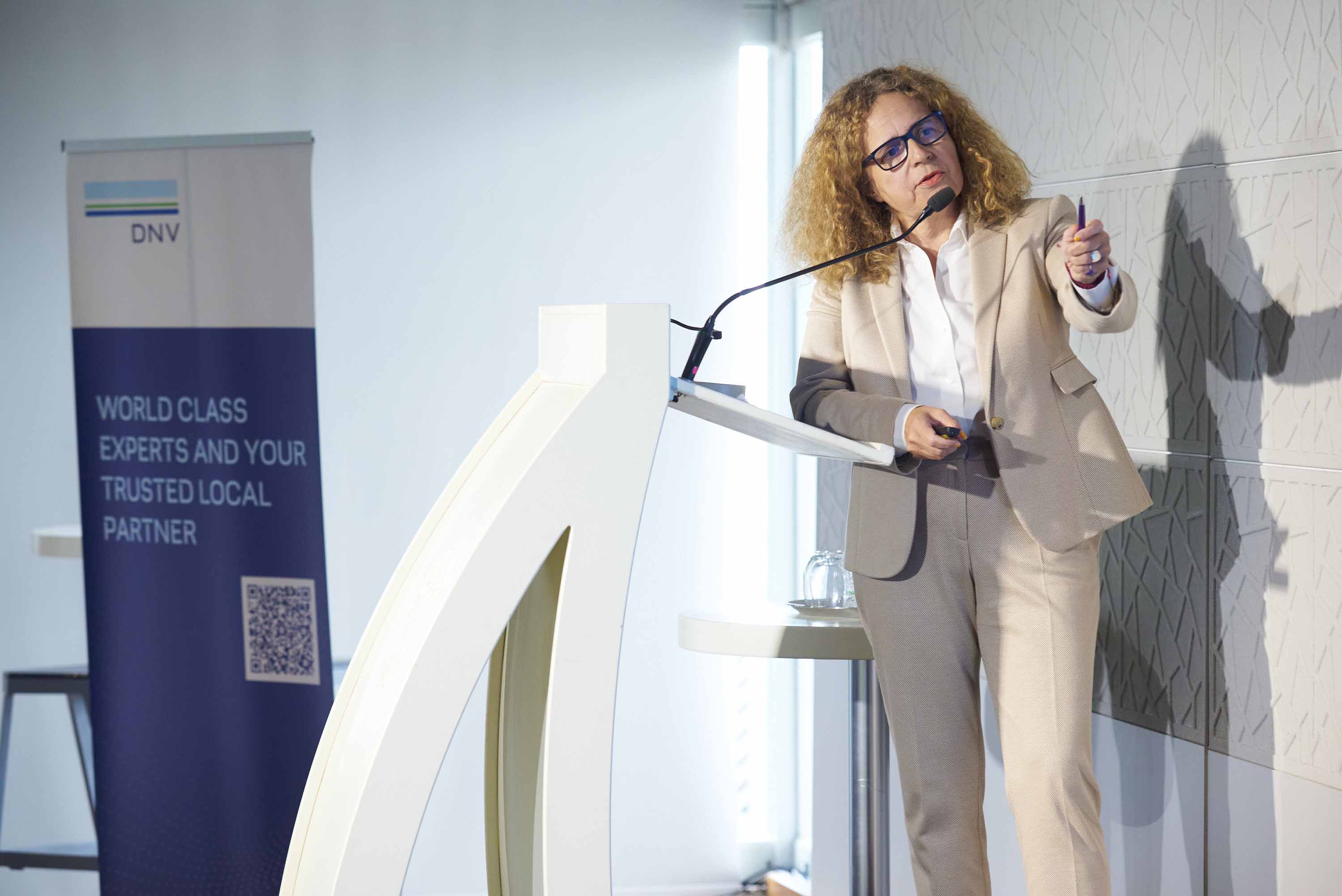
Opening the event, Mr. George Teriakidis, Area Manager for East Mediterranean and Black Sea at DNV, welcomed prominent members of the Greek shipping community, emphasizing the vital role of local expertise in steering the sector through an increasingly demanding regulatory and operational landscape.
The Macro Outlook and Immediate Efficiency Imperatives
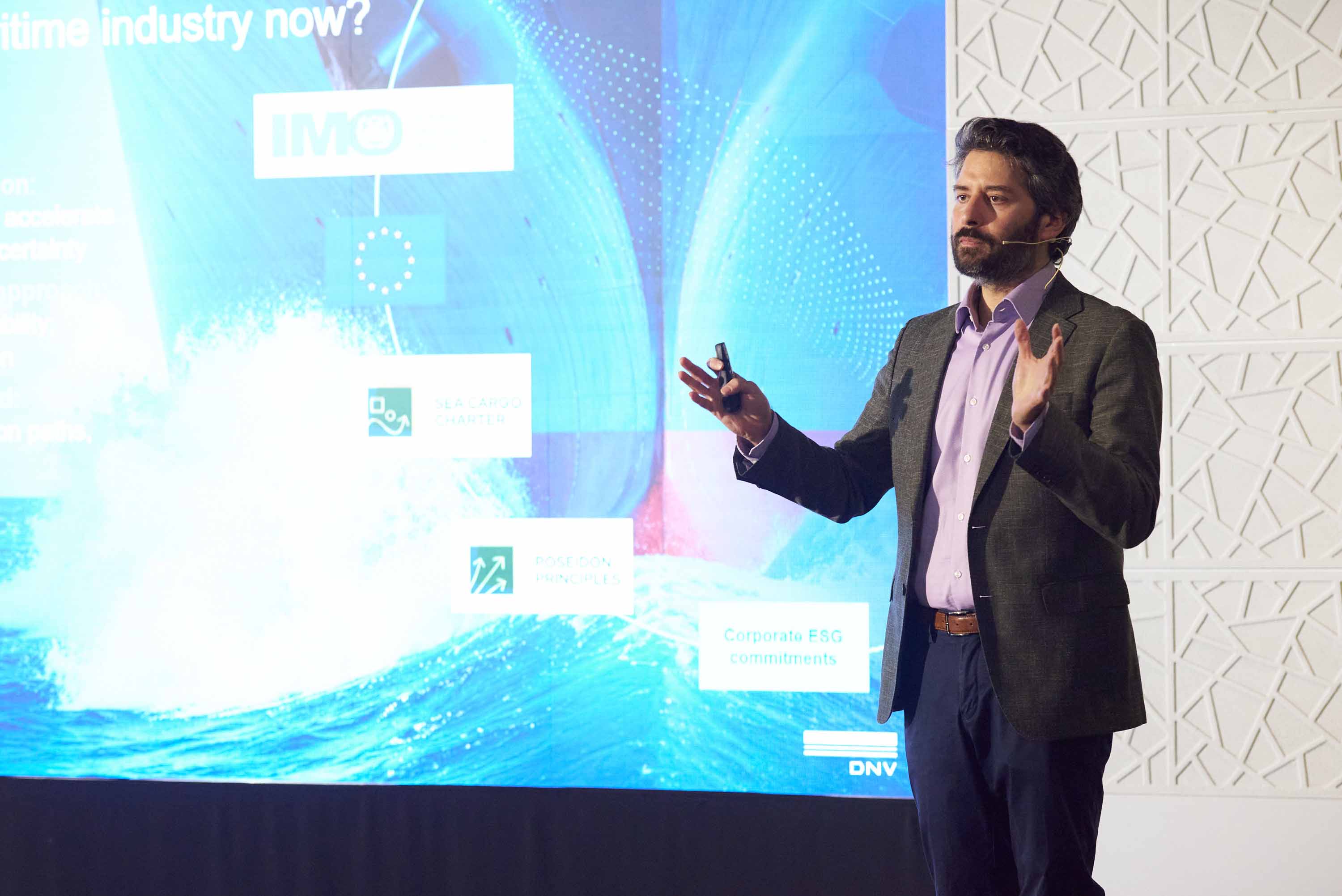
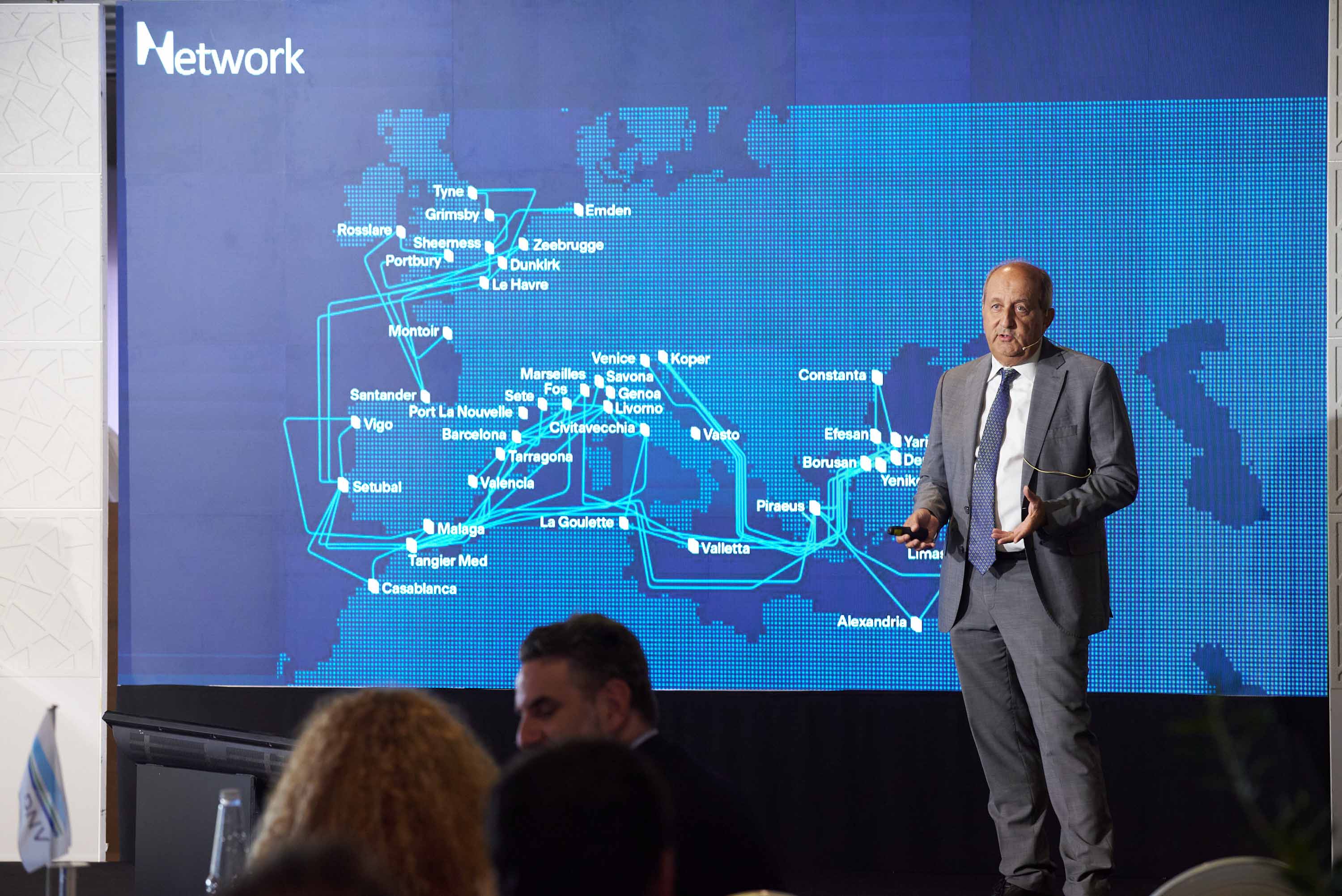
Setting the strategic tone, Jason Stefanatos, Global Decarbonization Director at DNV Maritime, presented key findings from the Maritime Forecast to 2050. He underscored why energy efficiency matters more than ever. In this transitional phase, maximizing immediate operational efficiency is non-negotiable.
This practical reality was echoed from a shipowner's perspective by Katerina Prifti, HSQE Director/DPA/Vetting at Laskaridis Shipping Co. Ltd. Outlining the company’s drive toward environmental excellence, Mrs. Prifti revealed that an impressive 91.6% of their fleet is equipped with Energy Saving Devices (ESDs), ranging from MEWIS ducts and Hub Vortex Absorbed Fins to Wake Improving Ducts, alongside next-generation silicon anti-fouling paints. Highlighted among their forward-looking initiatives is a project launched in the summer of 2025 in collaboration with consultant FINOCEAN (K. Fakiolas), evaluating Wind-Assisted Propulsion Systems (WASP)—such as rotors and suction sails—aboard the 2020-built Kamsarmax MV POLYDEFKIS.
Following the preliminary study Laskaridis Shipping signed a JDP (Join Design Project) with Bound4Blue via OCEANKING and Class Society of the vessel (Bureau Veritas).
The unit is adjusted continuously by VFD operating automatically by measuring the power and the direction of the wind (apparent wind).
It creates an aerofoil, the trail edge of the aerofoil reveals the holes on the vertical which absorb the flow around.
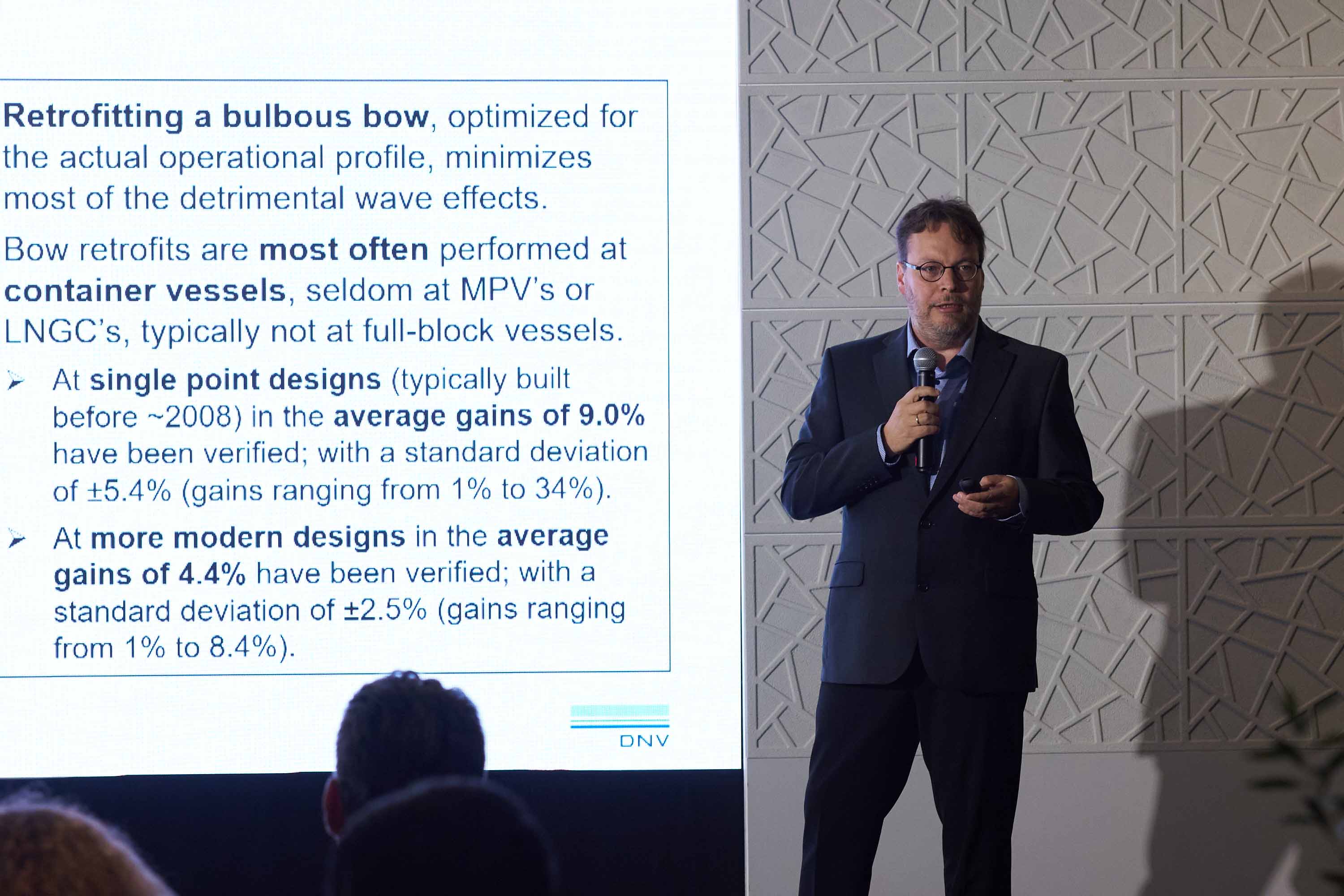
Complementing these real-world insights, Uwe Hollenbach, Senior Principal Engineer at DNV Maritime, detailed a comprehensive suite of hardware interventions. He reviewed eco-retrofit bows, propeller optimization, trim optimization boast factors, and advanced pre-swirl devices like PSS, PSD, and BTF, alongside high-efficiency rudders, air lubrication systems, and WASP concepts targeting up to 40% in emissions savings.
Alternative Fuels, Compliance, and Shore Power
The debate surrounding alternative pathways took center stage during sessions covering liquefied natural gas (LNG) and shore power. George Kriezis, Technical Director of the Neptune Group of Companies, addressed the controversies surrounding alternative fuels over recent years. Advocating for LNG as a pragmatic bridge to cleaner futures, Mr. Kriezis noted that methane's short-term warming effect must be weighed against long-term CO2 trajectories. He explained that Neptune’s decision to construct six LNG dual-fuel medium-sized PCTCs—rather than opting for methanol-ready designs—was backed by successful case studies demonstrating cost-effective bio-LNG bunkering. To secure true decarbonization, he stressed the need for market flexibility, prolonged FuelEU Maritime regulations, stable lifecycle rules, and absolute regulatory certainty.
The transition is equally dependent on shoreside infrastructure, a topic thoroughly addressed by Lefteris Koukoulopoulos, Regional Decarbonization Specialist at DNV Maritime, who mapped out the evolving business case and operational readiness required for widespread shore power adoption.
Digitalization, Data, and Emerging Tech
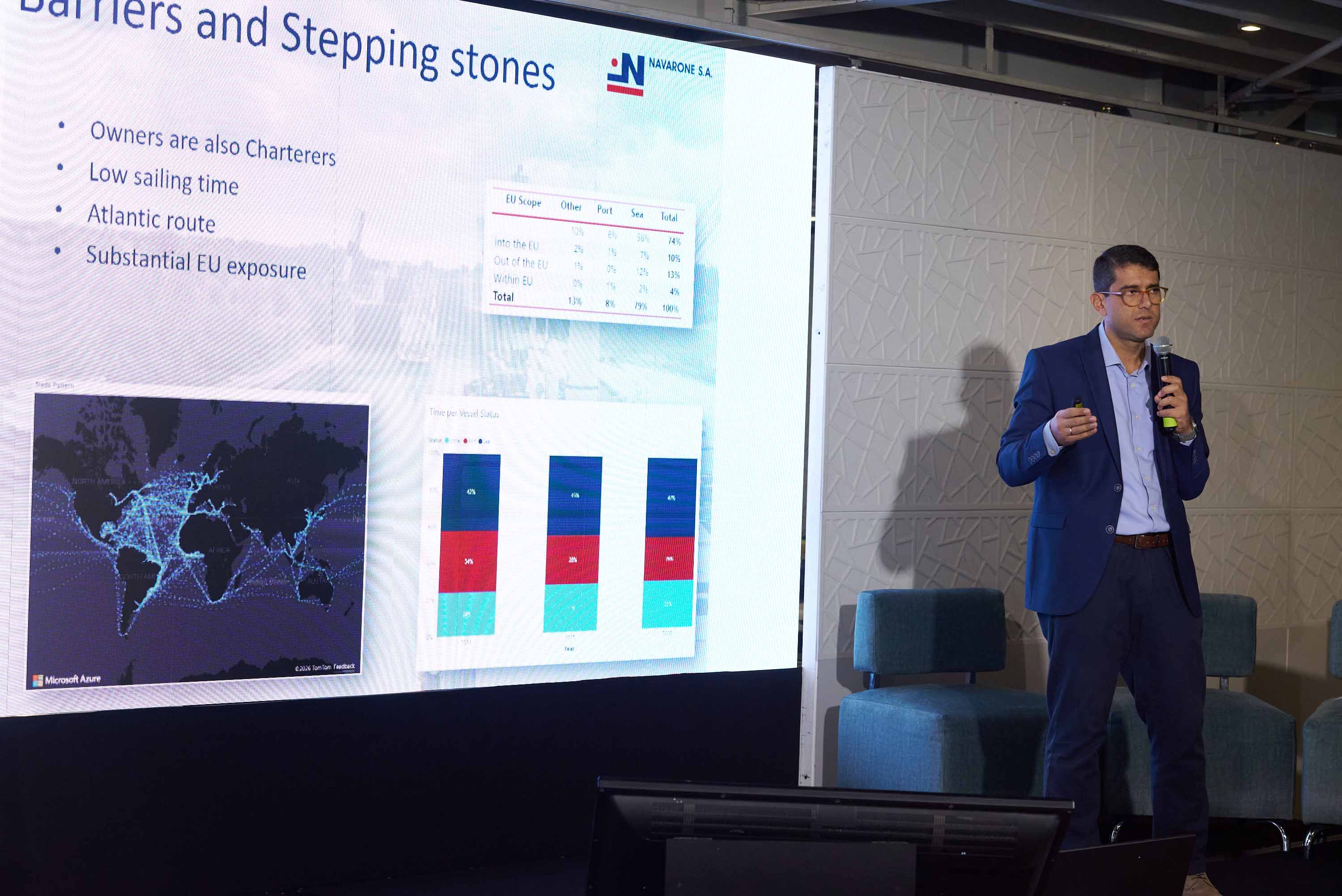
Part II of the forum shifted focus to operational execution and emerging technologies. Konstantinos Kordas, Performance Engineer at Navarone S.A., shared a bulk carrier fleet perspective, outlining the company’s aggressive digitalization strategy. By upgrading onboard sensors and launching intelligent noon-reporting software utilizing platforms like Verasity, Navarone monitors CII compliance, EUAs, voyage and trim optimization, autopilot upgrades, and low-friction controls, while actively testing various biofuel blends.
Data-driven decision-making was further illustrated by Vasileios Petousis, Energy & Sustainability Manager at Seanergy Maritime Holdings Corp., alongside Lars Nyflot, Global Sales Manager for Emissions Connect at DNV Maritime, who showcased concrete examples of emissions tracking across commercial voyages.
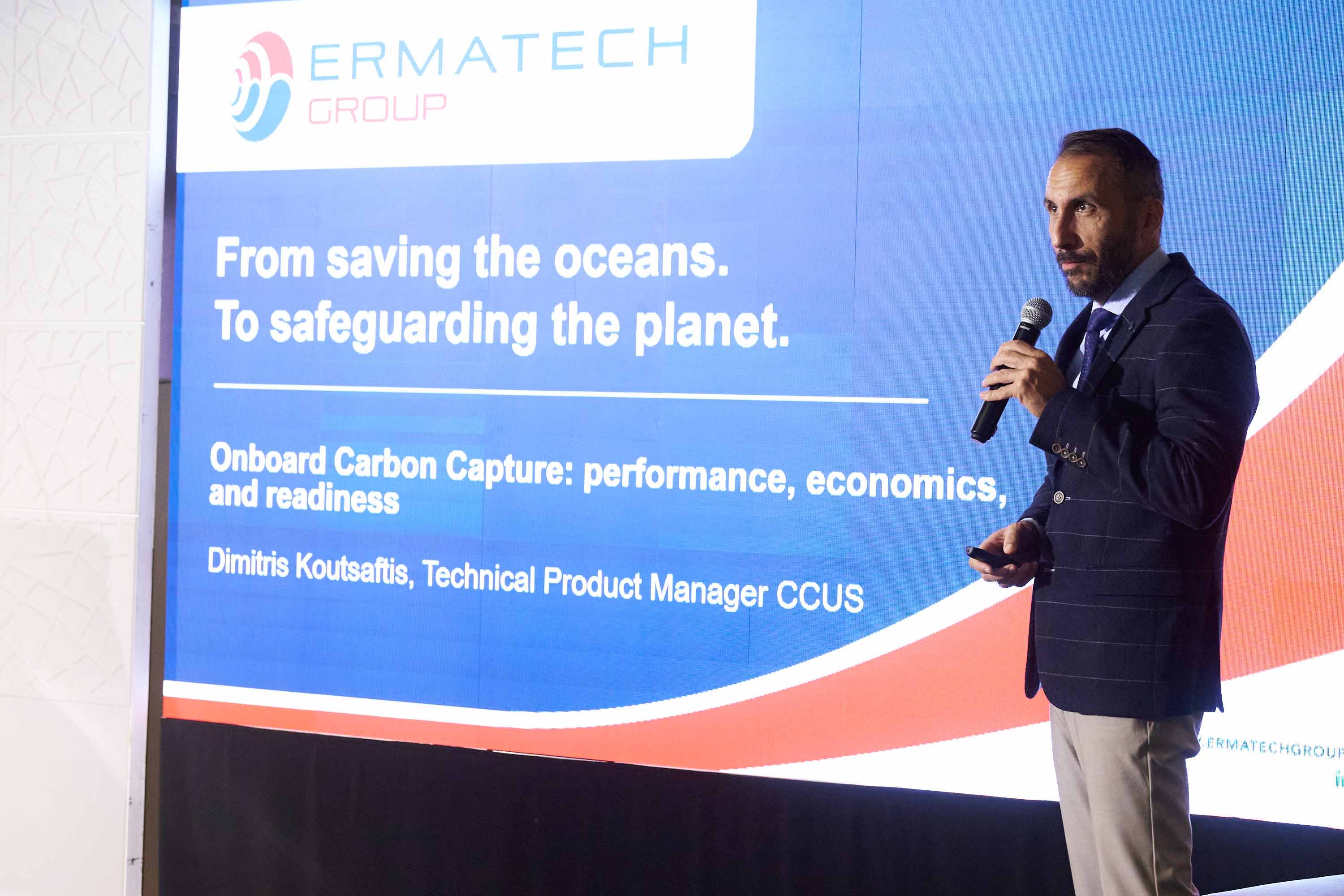
Innovation is also pushing boundaries in carbon management. Dimitris Koutsaftis, Senior Scientific Consultant at ERMA FIRST, joined Chara Georgopoulou, Head of Maritime R&D and Advisory Greece and Principal Engineer at DNV, to examine Onboard Carbon Capture (OCCS). Mr. Koutsaftis introduced the Carbon Fit OCCS solution, highlighting the rotating packed bed technology engineered to maximize capture performance within compact vessel footprints.
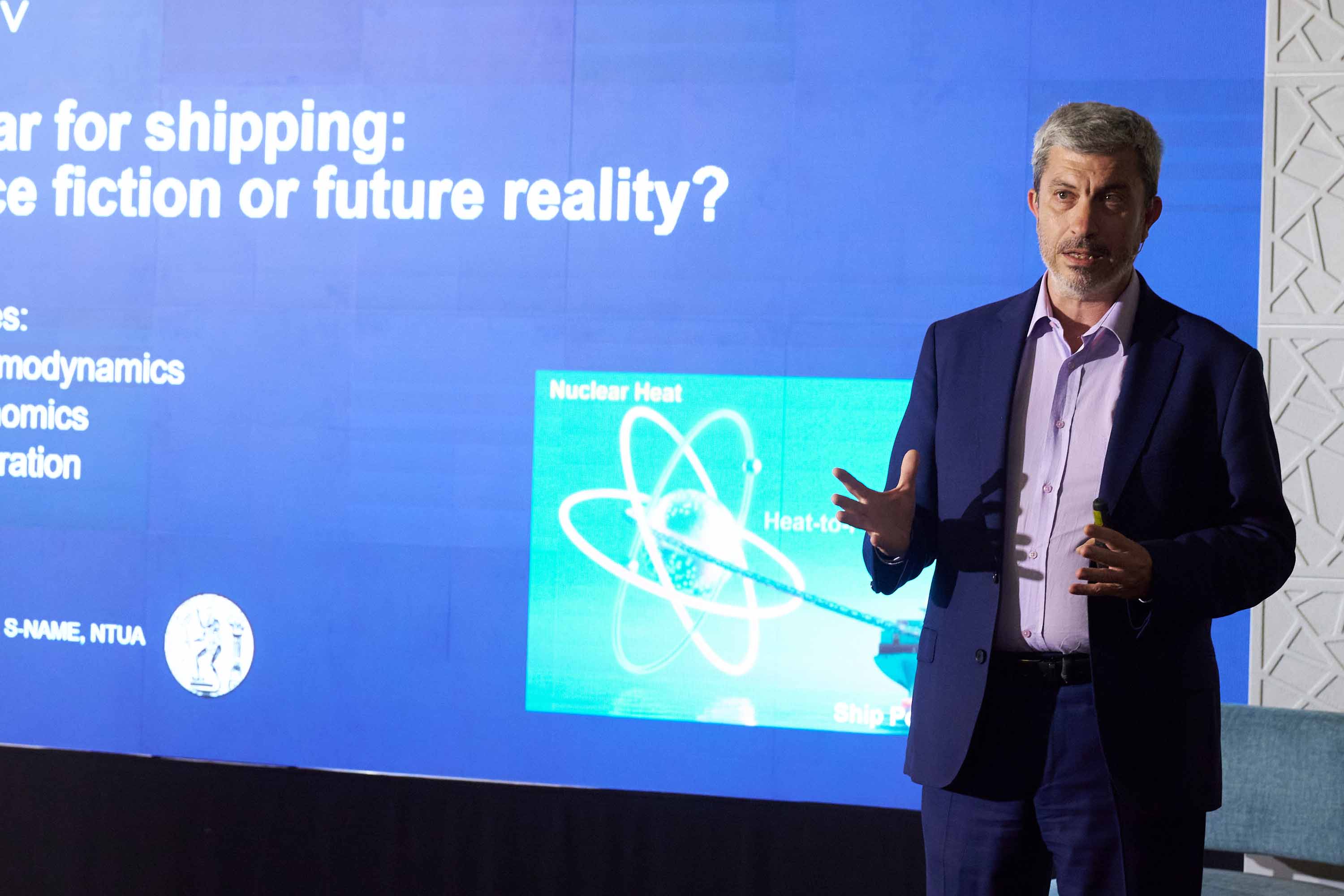
In a thought-provoking finale, Prof. George Dimopoulos, Associate Professor at the National Technical University of Athens, tackled the ultimate frontier: nuclear energy for shipping. Exploring whether marine nuclear propulsion is mere science fiction or an imminent future reality, he left the audience considering the radical long-term horizons of maritime engineering.
Ultimately, the Athens forum reinforced that while the roadmap to net-zero is filled with technical and regulatory hurdles, the combination of Greek shipping acumen, data-led operational enhancements, and cutting-edge engineering is steadily turning transitional goals into tangible maritime reality.
ELNAVI Newsletter
More Information: ELNAVI,
19, Aristidou str., Piraeus 185 31,
Tel.: +30 210 45.22.100, e-mail: This email address is being protected from spambots. You need JavaScript enabled to view it.