



Reported by Elnavi’s co-publisher Stefanos Papandreou and Elnavi’s editor Elias Papandreou
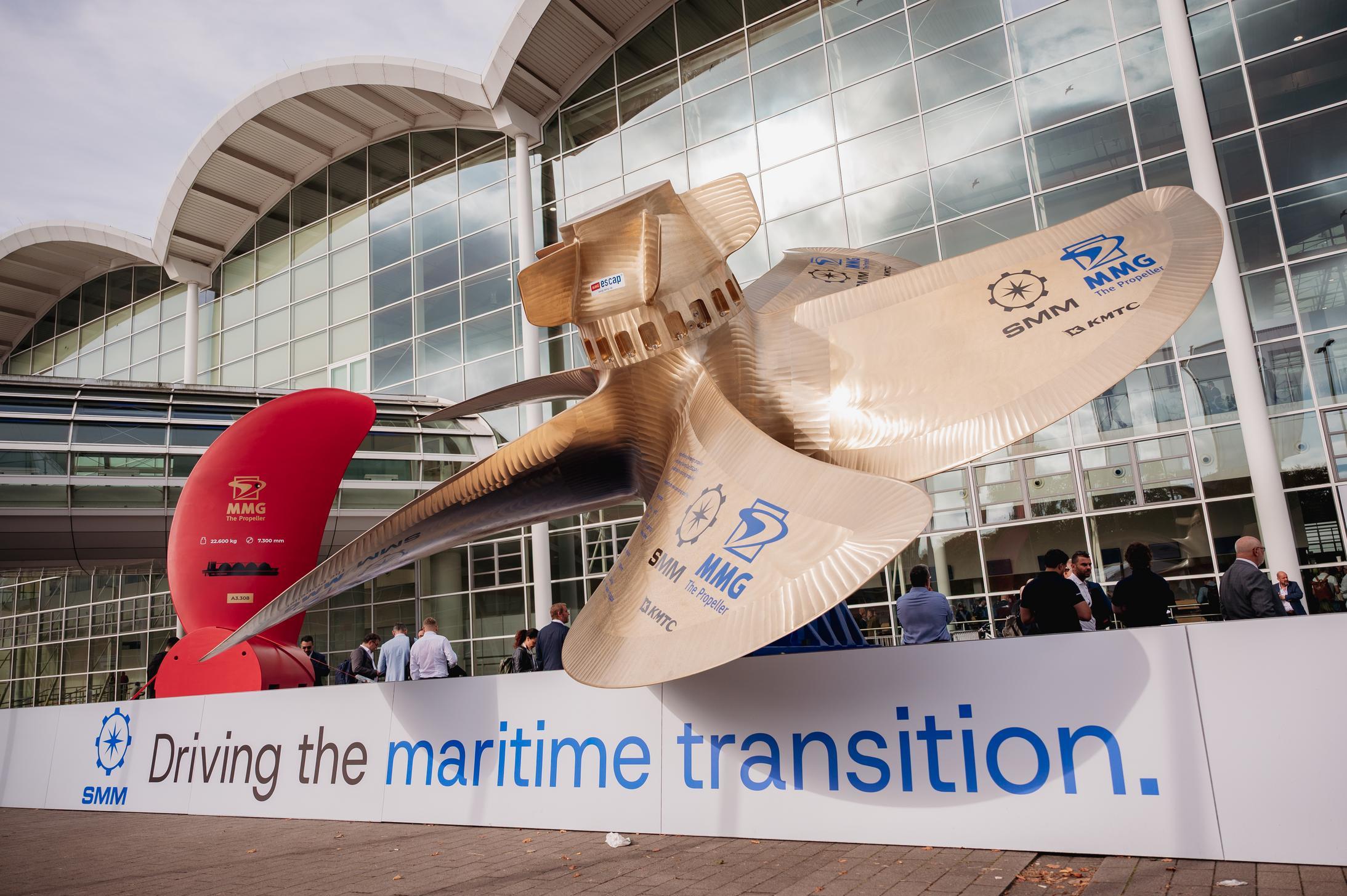
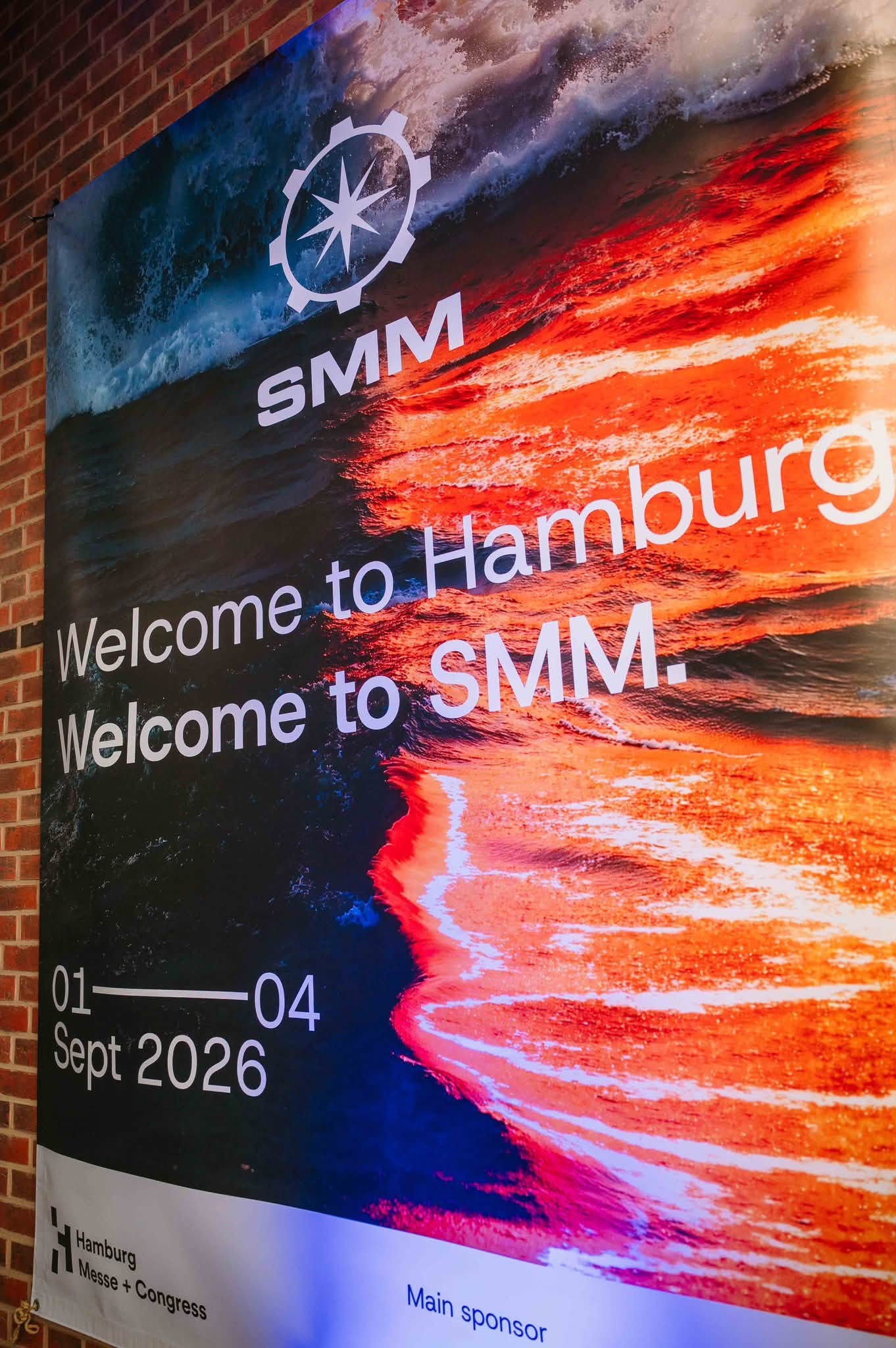
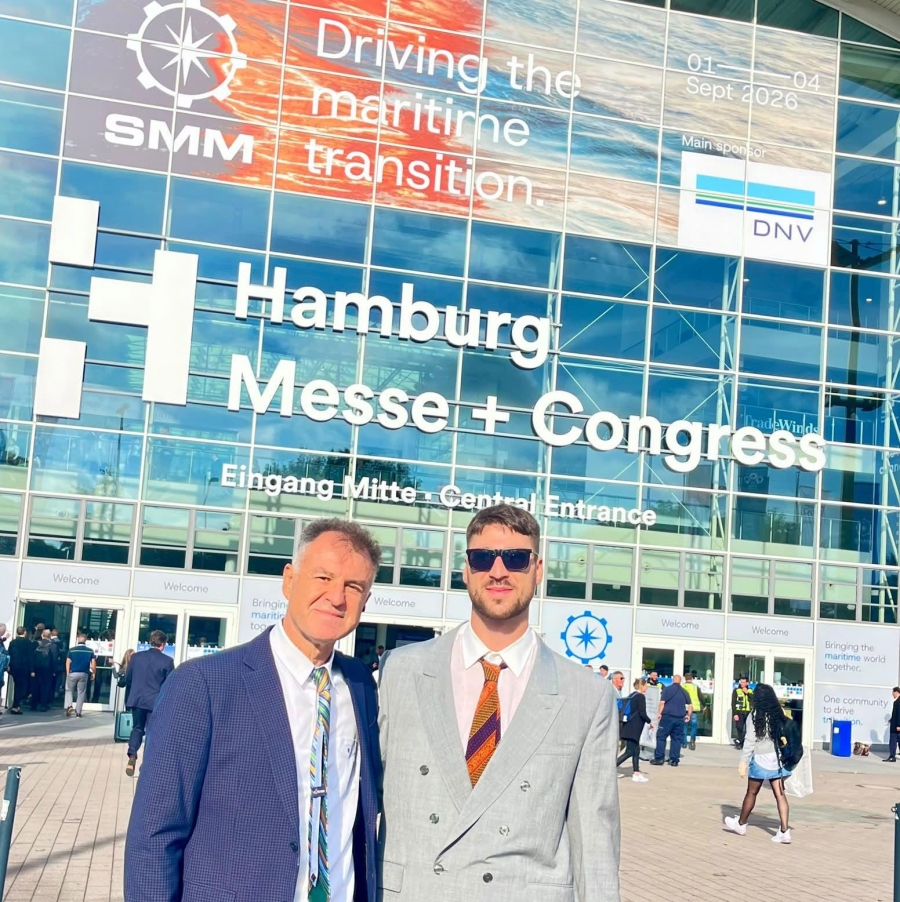
The 32nd edition of the international maritime exhibition SMM in Hamburg, 1-4 of September, vividly illustrated the pivotal turning point currently facing global shipping. Bringing together 2,300 exhibitors from 70 countries and 50,000 trade visitors, this year's event demonstrated that decarbonization, digitalization, geopolitical volatility, and infrastructure security are no longer isolated challenges, but deeply interconnected facets of the same core agenda. ELNAVI was present on the ground to report on the strategic visions shaping the future of the sector.
SMM Opening Ceremony
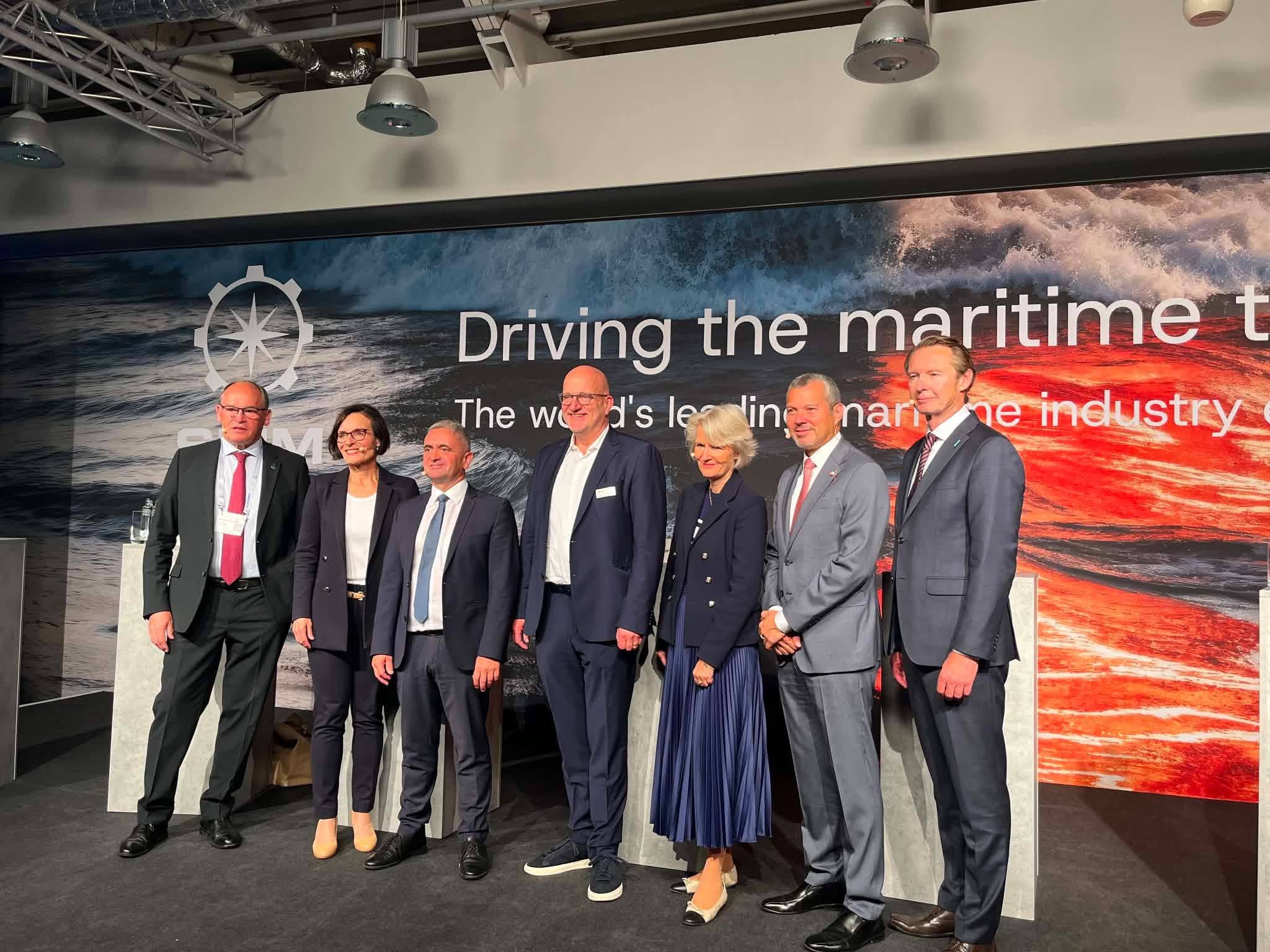
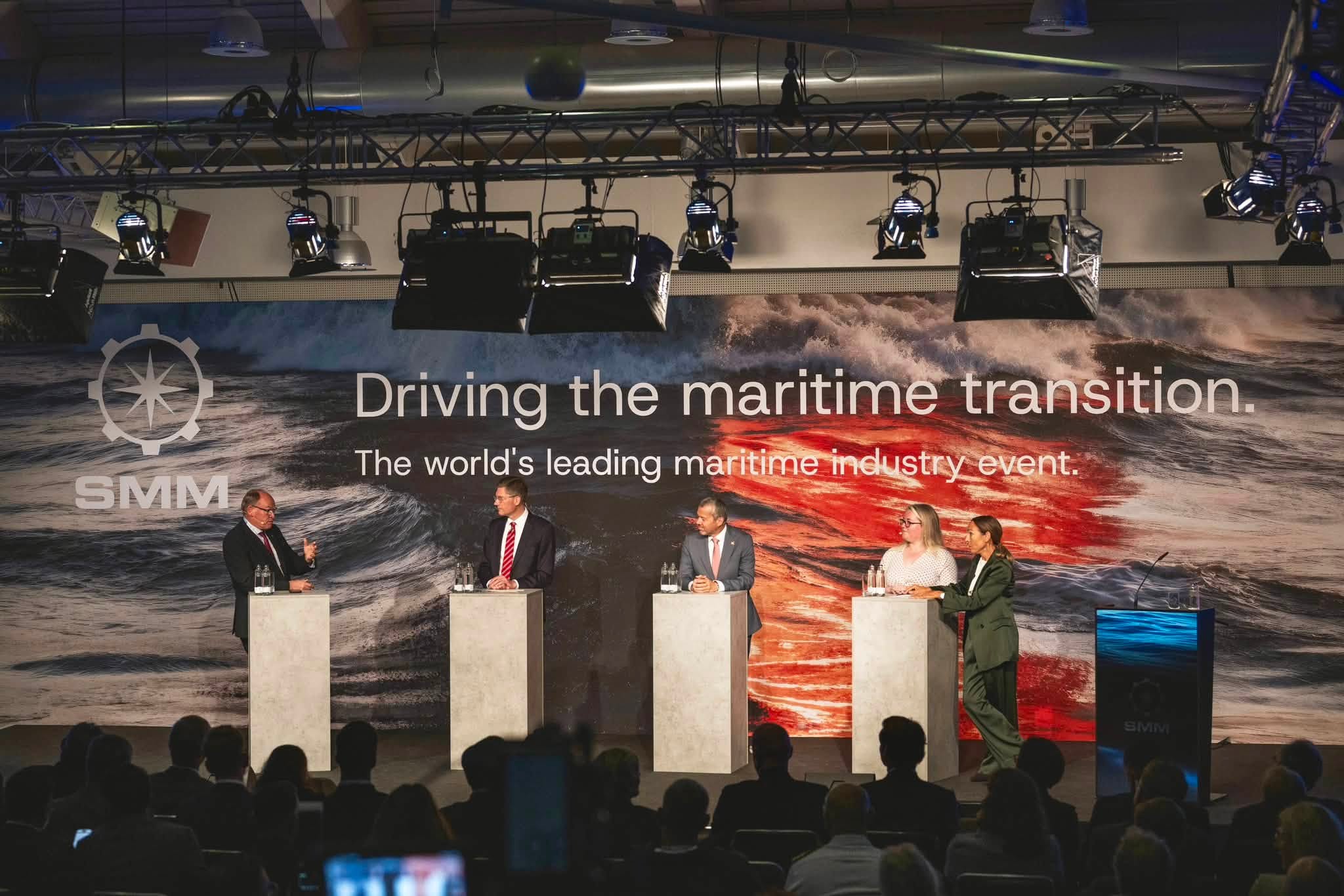
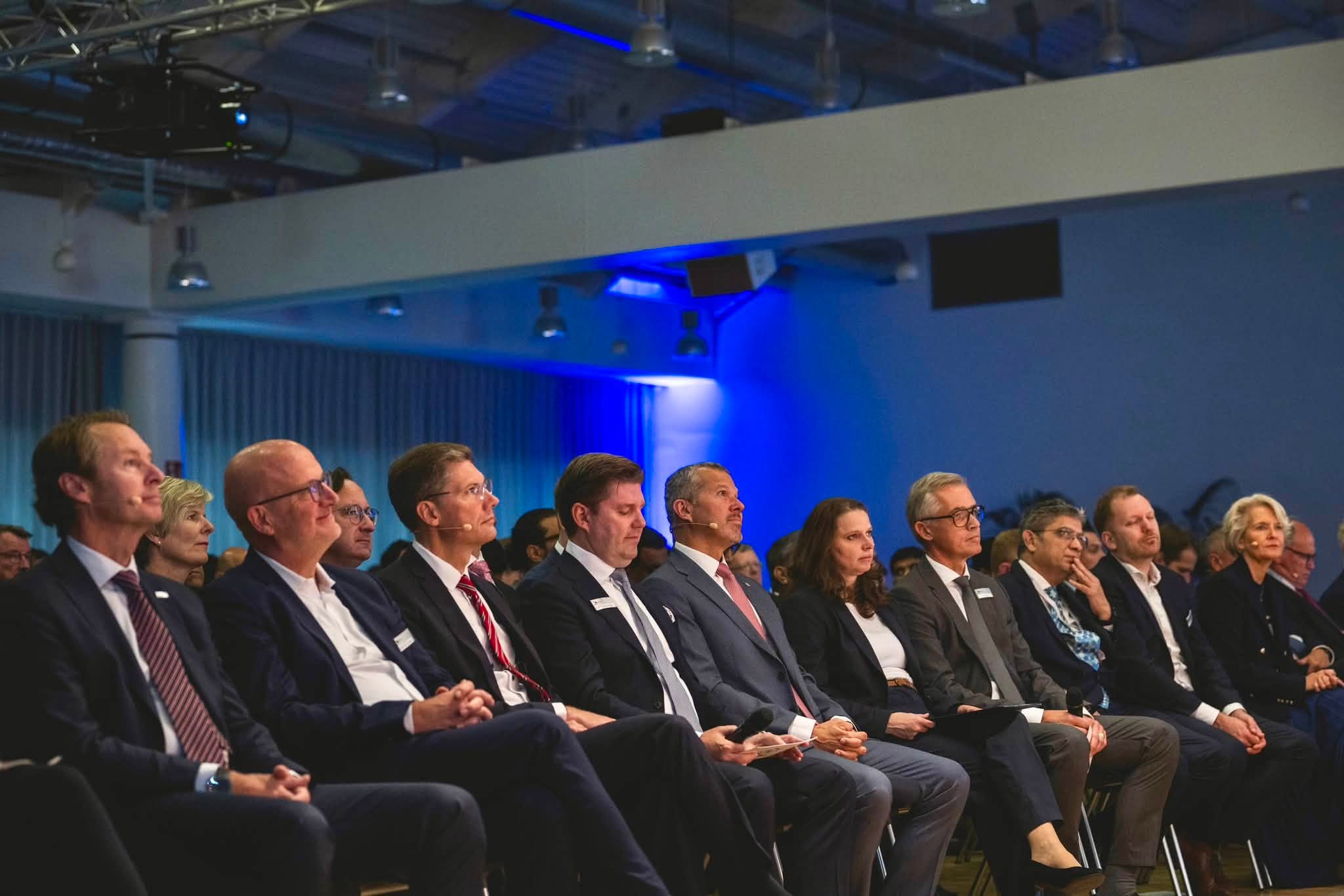
Opening SMM 2026, Heiko M. Stutzinger, CEO of Hamburg Messe und Congress, alongside Hamburg’s Senator for Economic Affairs, Dr. Melanie Leonhard, emphasized the imperative of international cooperation in safeguarding critical maritime infrastructure. The introduction of the new Naval Hall B8 further reflected the growing strategic focus on naval defense technologies.
A central theme throughout the opening discussions was the urgent requirement for a unified, global regulatory framework. John Denholm, Chairman of the International Chamber of Shipping (ICS), stressed that industry resilience cannot be built upon a fragmented patchwork of regional rules. Dr. Uwe Lauber, CEO of Everllence, observed that engine technology has already outpaced regulation, calling for immediate progress on the IMO Net-Zero Framework to provide investment certainty.
Officially opening the trade fair, IMO Secretary-General Arsenio Dominguez highlighted the paramount importance of seafarer safety, while framing decarbonization and automation as key drivers of future industrial growth. Meanwhile, DNV Group President and CEO Knut Ørbeck-Nilssen addressed the complex web of market uncertainties, highlighting nuclear propulsion and Small Modular Reactors (SMRs) as emerging components of the energy transition. Additionally, Anu Ahola (Meyer Turku) and Dr. Gaby Bornheim (VDR) discussed maintaining the competitiveness of European shipbuilding and shipowning, while Shri Vijay Kumar outlined India’s extensive investment strategy under the "Maritime Amrit Kaal Vision 2047."
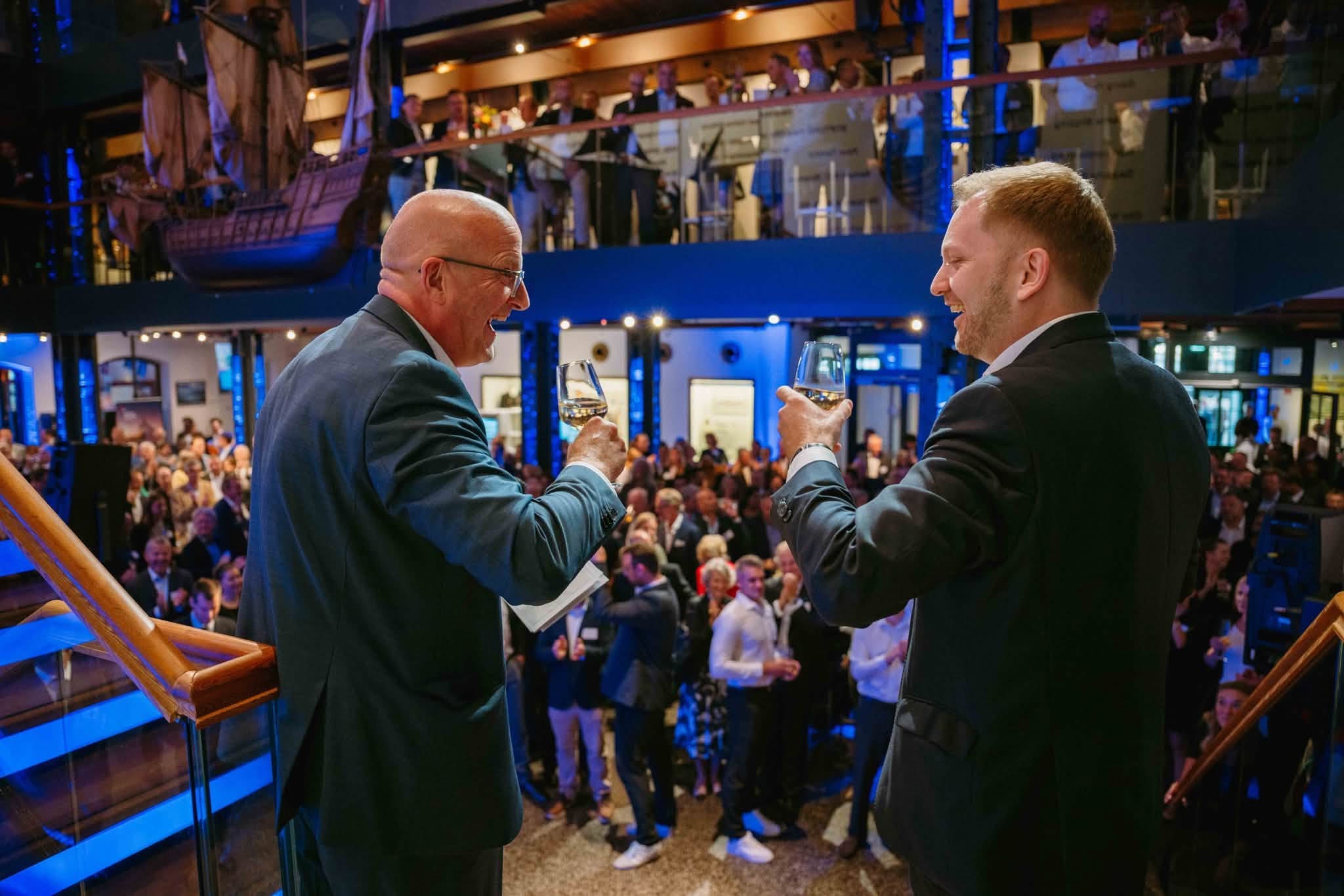
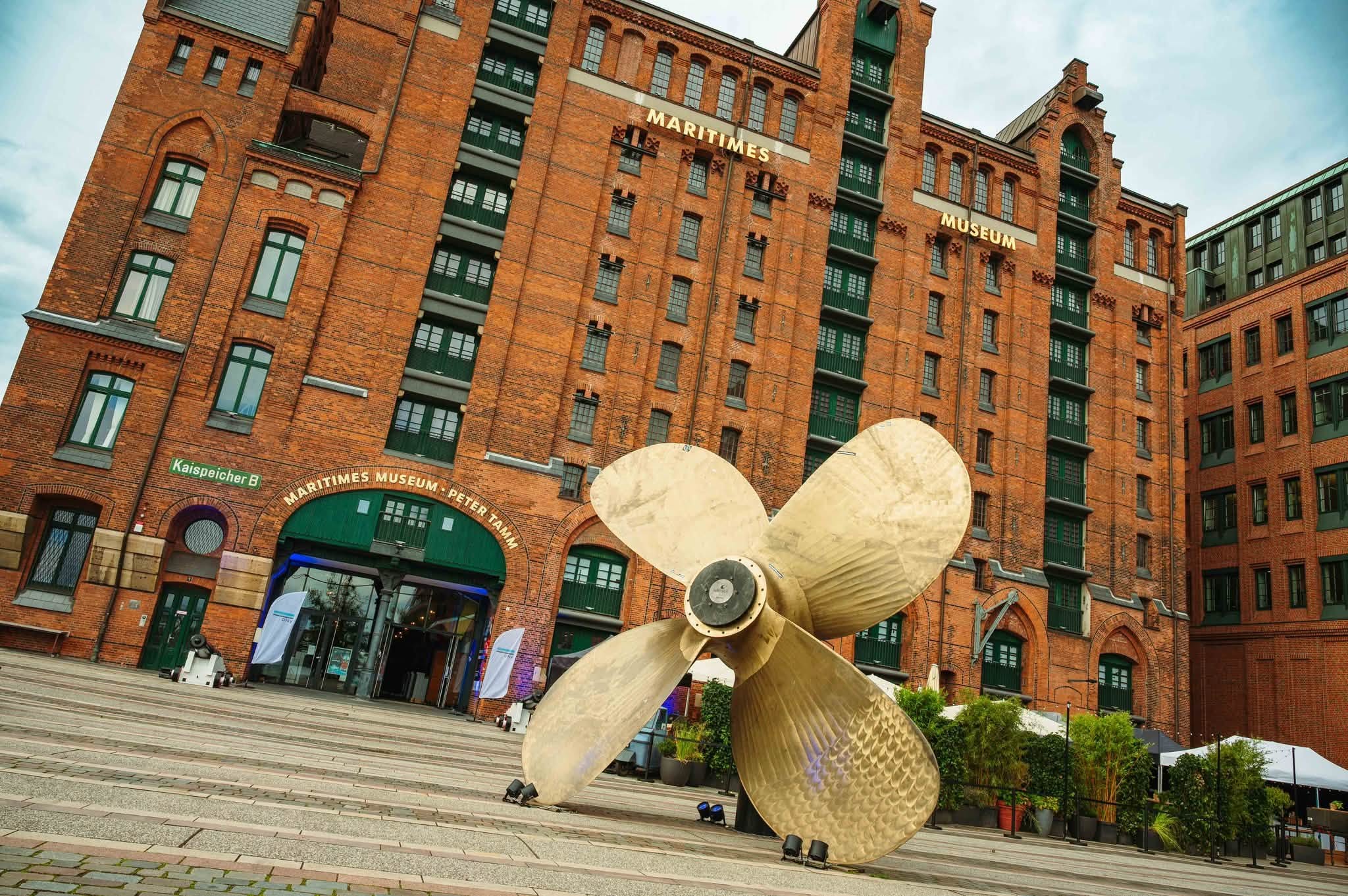
It must be also noticed that the welcome reception of SMM took place at the premises of the amazing International Maritime Museum of Hamburg.
ABS Innovation Summit
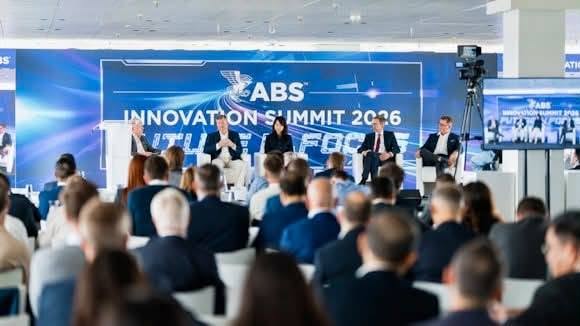
At the ABS Innovation Summit, Patrick Ryan, Senior Vice President and CTO of ABS, detailed the deployment of robotics and physical AI across maritime operations. He highlighted the ABS SeaTech Innovation Exchange, which directly links the center in Athens/Piraeus with the ABS technology hub in Houston, fostering cross-border technical collaboration with the Greek maritime cluster. ABS also unveiled ABS PLATO™, an AI-powered platform designed to streamline access to classification rules and statutory requirements.
Rostom Merzouki, Vice President of Sustainability at ABS, presented the latest ABS Outlook, cautioning that operational inefficiency will carry increasingly steep financial penalties under evolving carbon pricing regimes. Merzouki outlined five strategic moves providing a pragmatic operational pathway toward 2035.
During a fireside chat, Marina Hadjipateras (TMV) and Geoff Wagner (ABS) discussed the role of strategic venture capital in commercializing maritime technologies. A subsequent panel on digitalization and AI—moderated by Matthew Mower (ABS Group) and featuring Scott Bergeron (Oldendorff Carriers), Aerin Jungmin Lee (HD Hyundai), Dr. Gunnar Stiesch (Everllence), and Mark Robertshaw (Complexio)—emphasized that AI adoption delivers tangible value by leveraging data availability to enhance safety, operational efficiency, and environmental performance.
DNV Maritime Forecast to 2050
The presentation of DNV’s "Maritime Forecast to 2050" commenced with opening remarks from Cristina Saenz de Santa Maria, CEO Maritime at DNV, followed by an overview of the key findings by lead author Øyvind Sekkesæter. The report highlighted that energy efficiency retrofits can yield considerable fuel savings and recommends shipowners to accelerate energy efficiency and consider all compliance options.
In a fireside conversation with Group president and CEO of DNV Knut Ørbeck-Nilssen and IMO Secretary-General Arsenio Dominguez urged shipowners to prioritize seafarer safety in high-risk zones, noting that regulatory delays should not stall proactive investments in alternative fuel readiness.
The session concluded with an industry panel featuring Harald Fotland (CEO, Odfjell SE), Constantin Baack (CEO, MPC Oceanic Group), Stratos Desypris (COO, Navios Maritime Partners), and Sarah Rollings (Strategic Client Director, Shell Marine), moderated by Anne Moschner (DNV). Panelists emphasized that their fleet strategies remain strictly "fuel and propulsion agnostic," allowing them to navigate technological uncertainty while scaling green solutions at a commercially viable pace.
Greek Maritime Technology Takes Center Stage in Hall B7
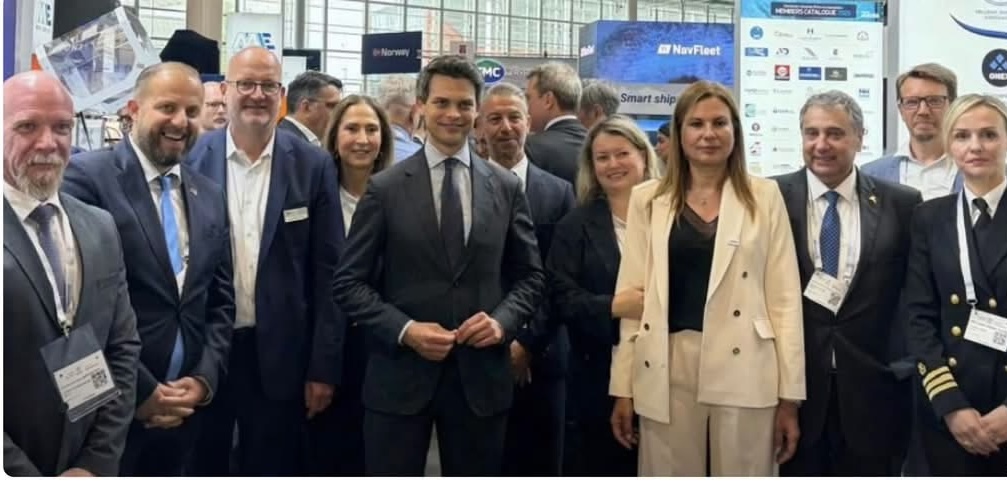
The Hellenic Pavilion at Hall B7 (Stands 442 & 318) stood out as a key focal point during SMM 2026, showcasing the strength of the Greek maritime industry. Represented by members of HEMEXPO and WIMA, the joint participation highlighted cutting-edge technological solutions, high-spec marine equipment, and specialized manufacturing and repair services. Greek maritime technology companies demonstrated their readiness to meet the global fleet’s accelerating demands for decarbonization, energy efficiency, and digitalization, successfully reinforcing their international footprint and driving commercial partnerships across global shipping markets.
ELNAVI Newsletter
More Information: ELNAVI,
19, Aristidou str., Piraeus 185 31,
Tel.: +30 210 45.22.100, e-mail: This email address is being protected from spambots. You need JavaScript enabled to view it.