


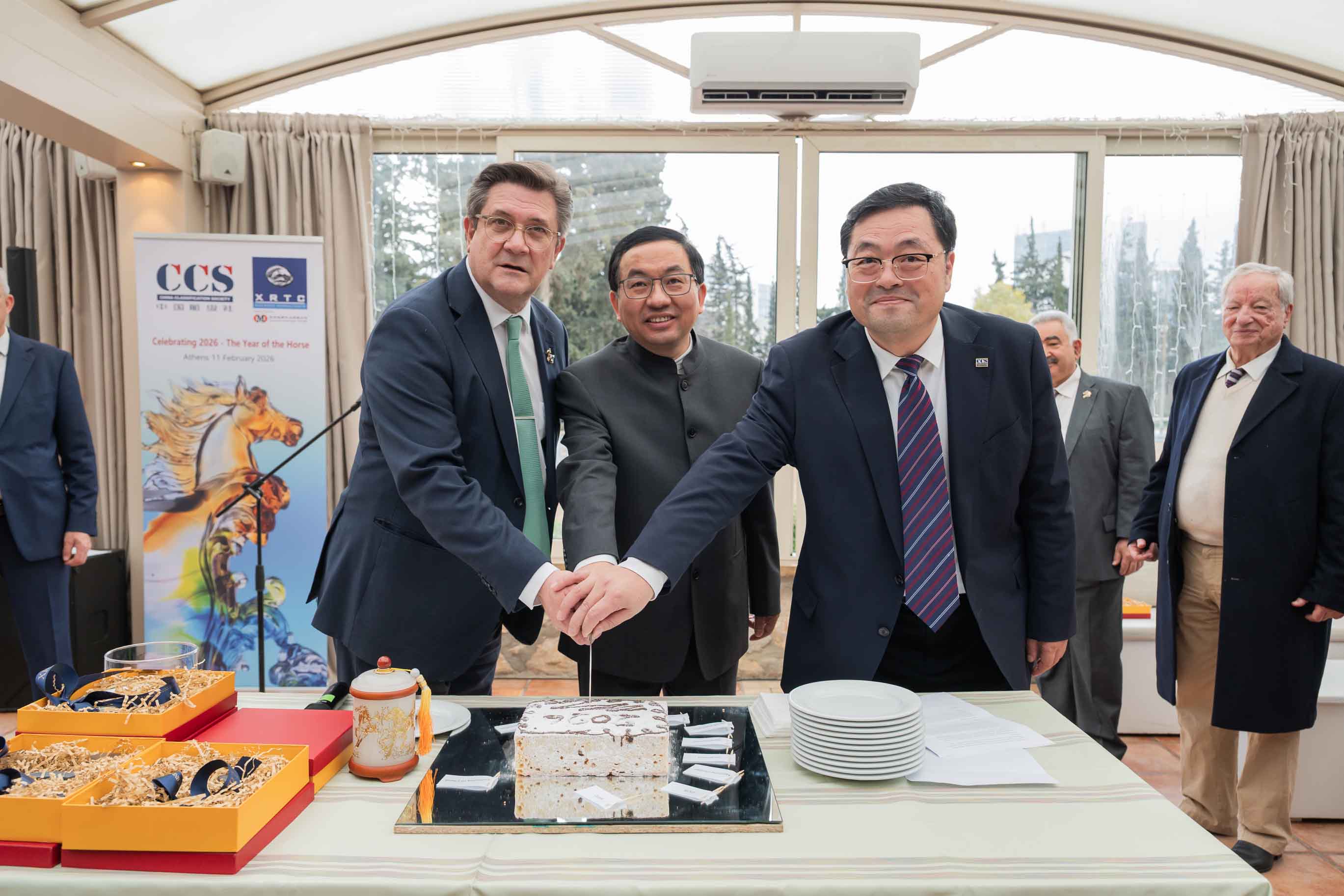
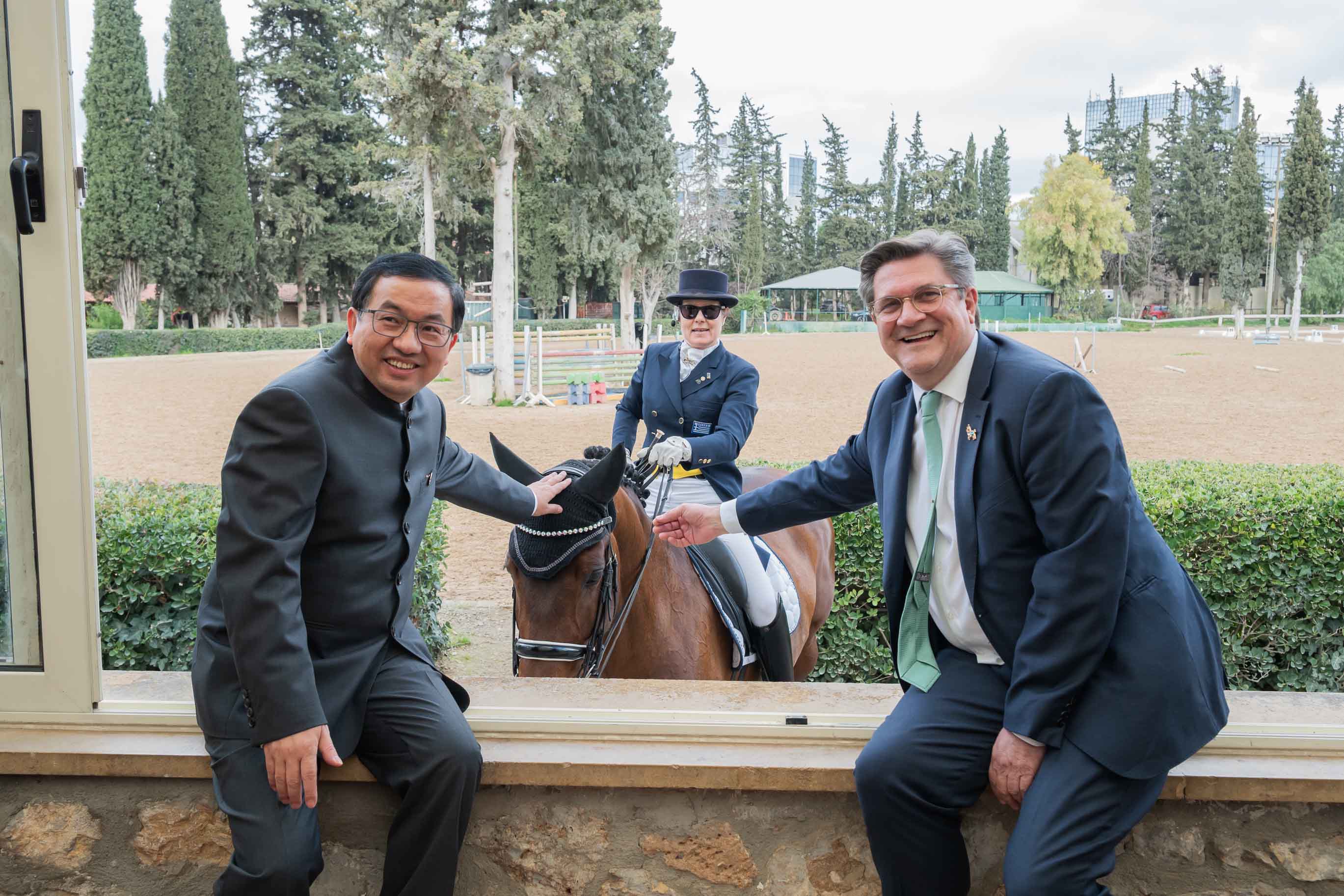
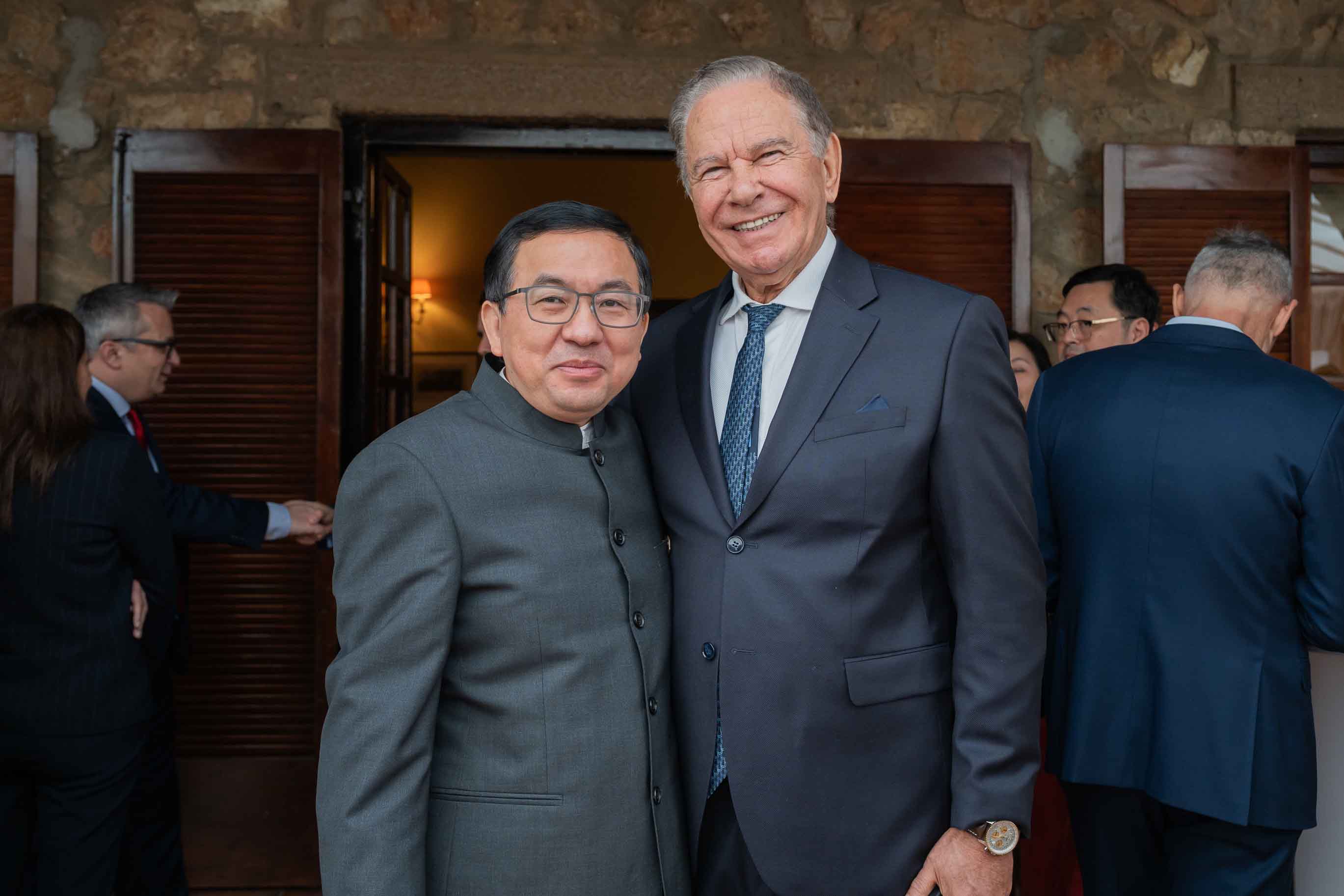
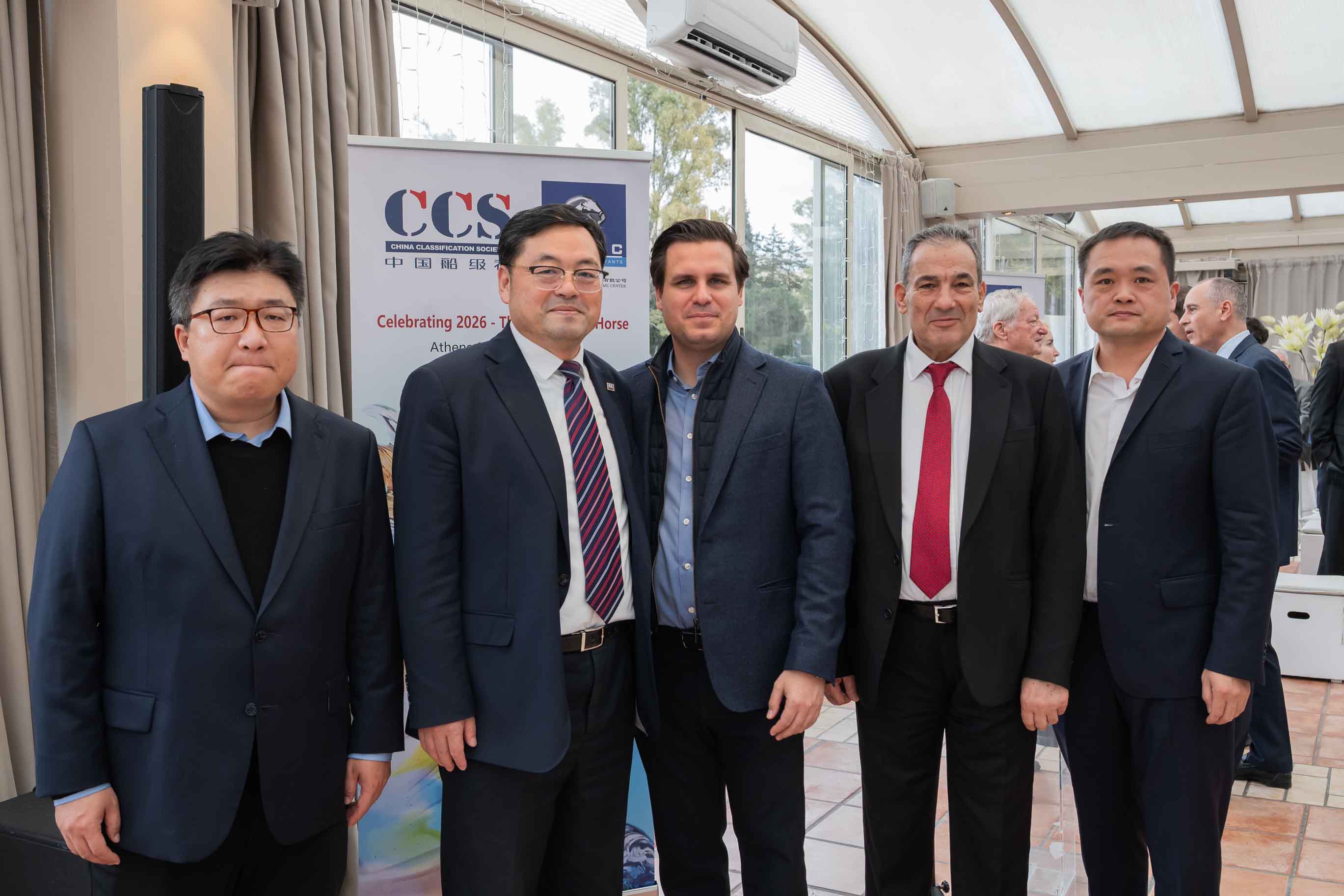
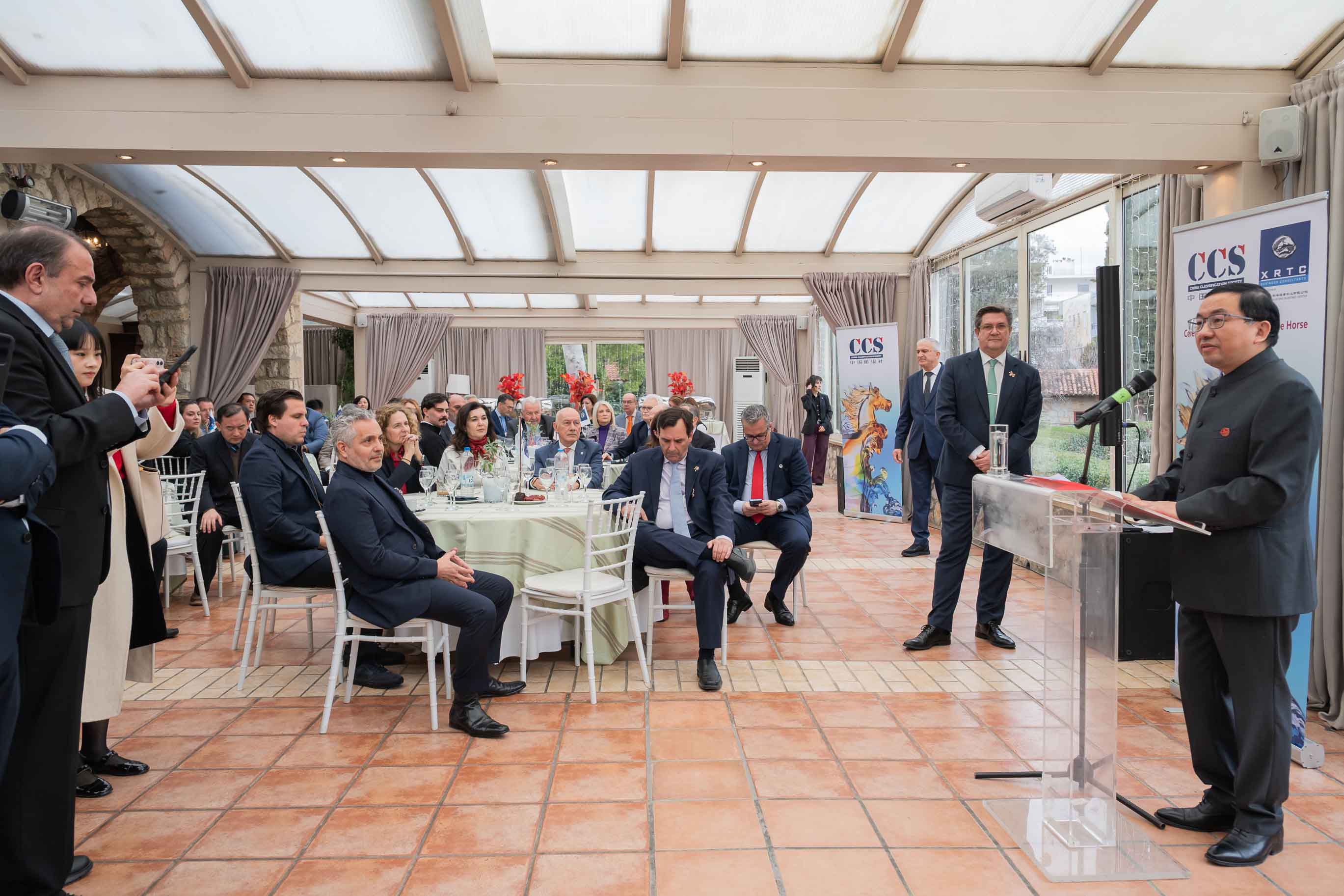

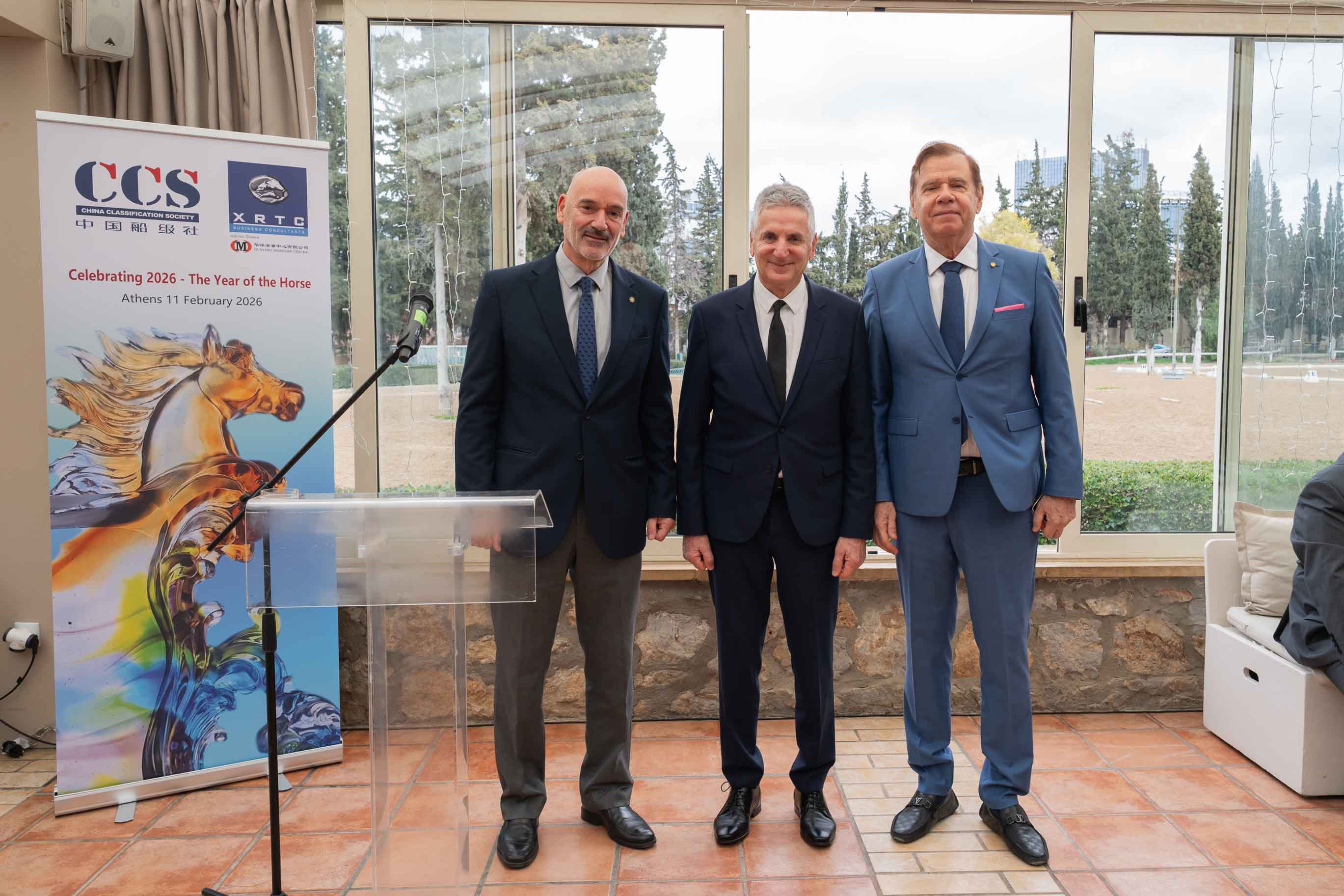
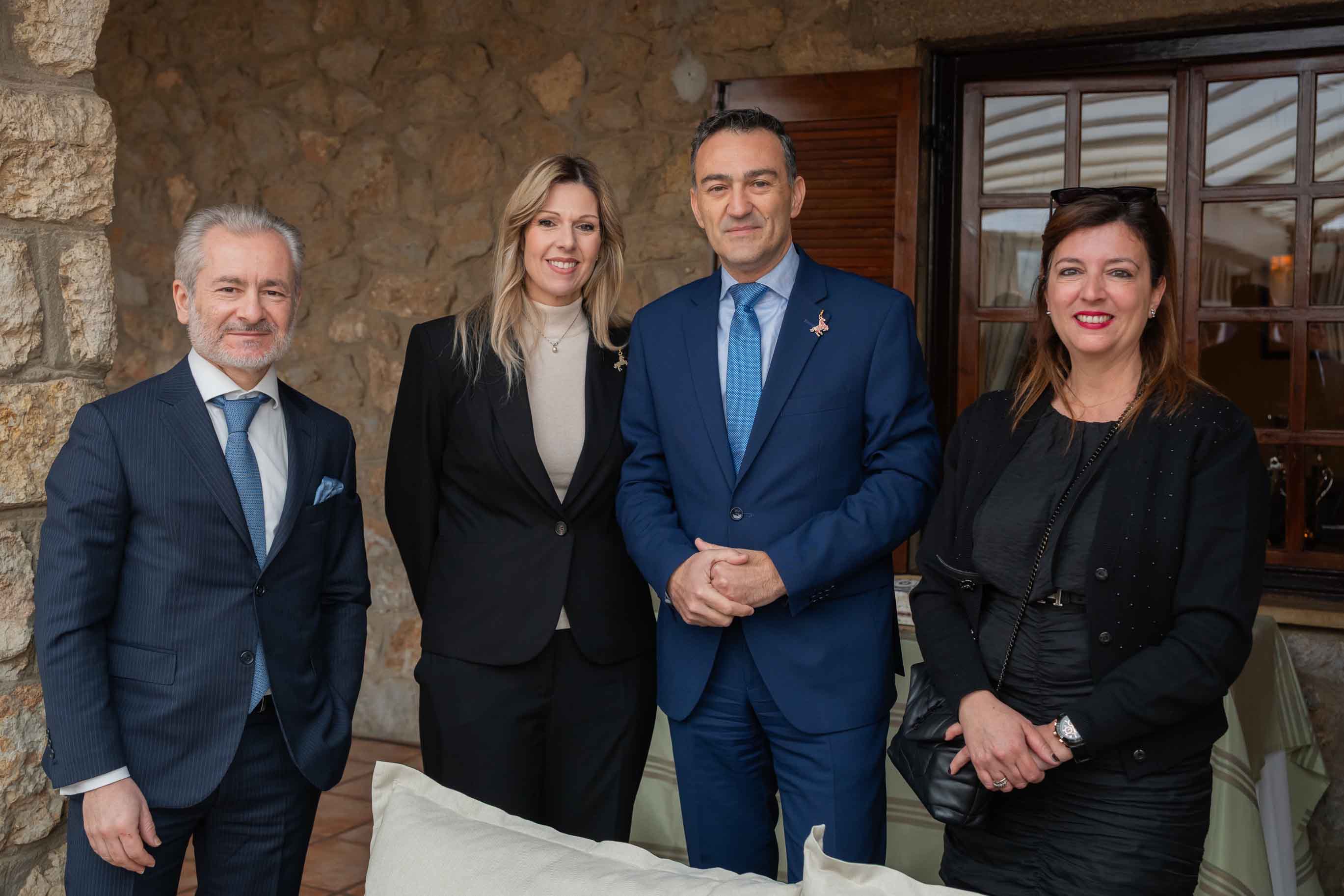
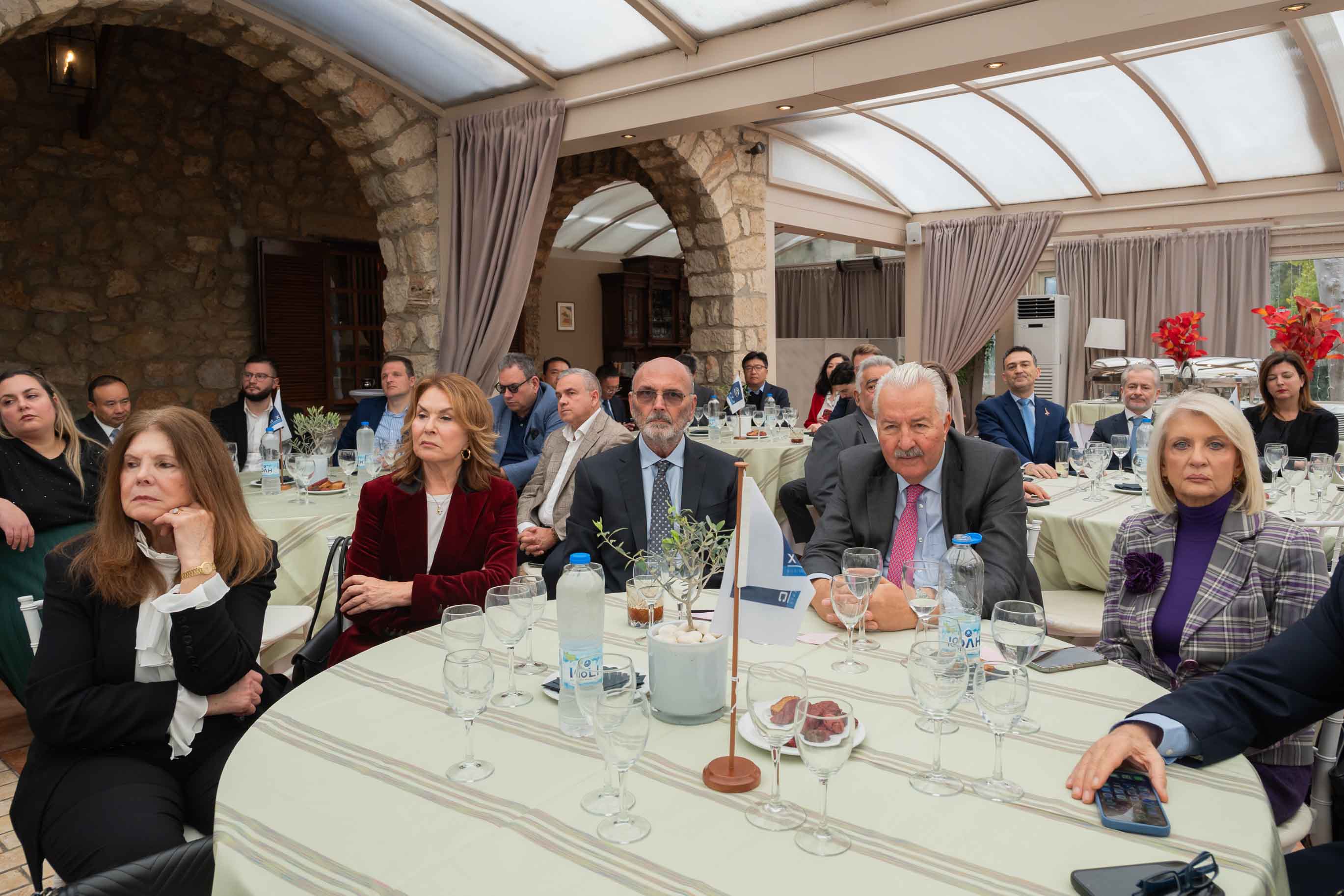
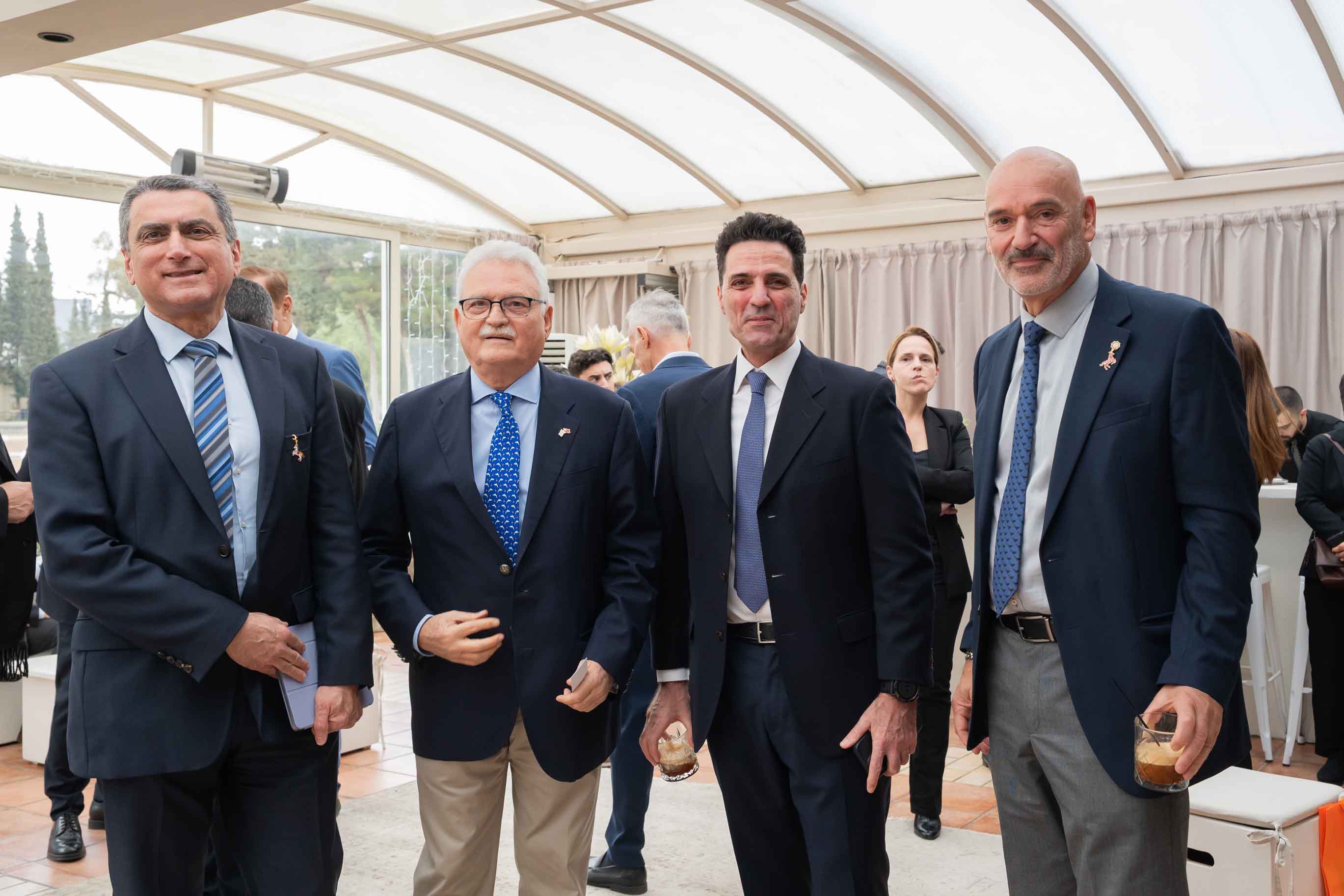
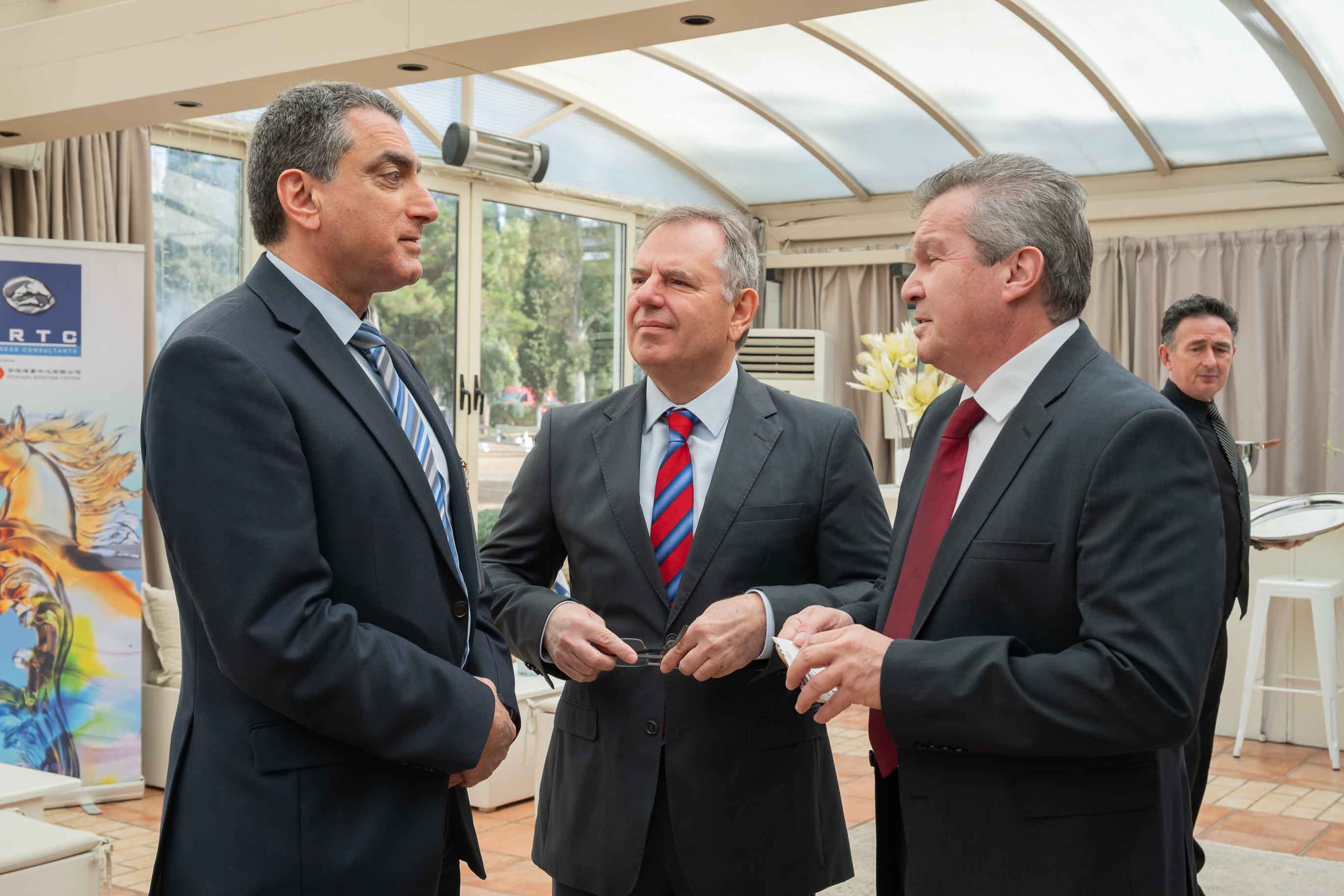
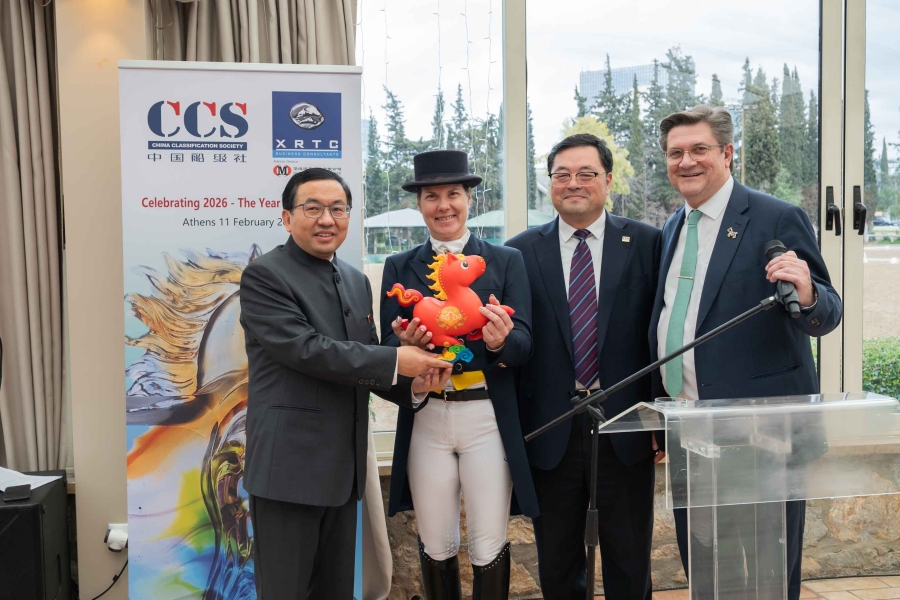
The ceremony, co-organized by XRTC Business Consultants (led by George Xiradakis) and the China Classification Society (CCS), served as an opportunity to present the 2026 roadmap for Sino-Greek maritime cooperation.
Ambassador Fang QIU emphasized that 2026 marked the 20th anniversary of the China-Greece Comprehensive Strategic Partnership. He noted that this year is also the inaugural year of China's Five-Year Plan, which will prioritize "green" and "intelligent" maritime development.
He highlighted that Greece and China together control roughly 50% of the world’s shipping fleet. He extended a warm invitation to Greek shipowners to continue playing a central role in transporting Chinese imports and exports, noting that China has remained the world's top trading nation for nearly a decade.
The Ambassador reaffirmed China’s commitment to:
- • Providing competitive financing for Greek shipowners building vessels in Chinese yards.
- • Deepening cooperation in Green Shipping (decarbonization) and Digital Port Management.
- • Encouraging Greek maritime equipment manufacturers to integrate into the Chinese shipbuilding supply chain.
He pointed to the Port of Piraeus as the gold standard for bilateral cooperation, noting its rise to the largest container port in the Mediterranean and its role in creating over 12,000 local jobs.
True to the tradition of the "Vasilopita" (pitta cutting), he drew parallels between the Greek custom and the Chinese Lunar New Year (Year of the Horse), wishing for the bilateral relationship to move forward with the "strength and speed" symbolized by the horse.
During the same ceremony (February 2026), the event co-host George Xiradakis, Managing Director of XRTC Business Consultants and President of the Association of Banking & Financial Executives of Hellenic Shipping, focused his remarks on the operational and economic "win-win" nature of the Sino-Greek relationship.
Mr. Xiradakis underlined a powerful statistic: combined, Greece and China control approximately 50% of global shipping. He argued that this mutual leadership makes their cooperation not just beneficial, but essential for the stability of global trade.
He noted that the relationship has become a circular economic engine: Greek shipowners transport a significant portion of Chinese cargo (roughly 20% of all Chinese imports/exports), while simultaneously utilizing Chinese shipyards for their newbuilding programs.
Mr. Xiradakis highlighted that Chinese financial institutions are no longer just "alternative" lenders but have become "primary partners" for the Greek shipping community, especially as Western banks have faced stricter regulatory hurdles.
He stressed that the next decade of cooperation will be defined by the "Green Transition." He called for closer collaboration between Greek technical expertise and Chinese manufacturing capacity to meet the IMO’s decarbonization targets.
Mr. Xiradakis praised the role of the China Classification Society (CCS) in Athens, noting that their local presence has significantly streamlined the technical and safety certification process for Greek vessels being built or repaired in Asia.
In a speech at the same event that the 2026 Chinese Year of the Horse was also held, CCS Managing Director Cui Yuwei referred to The robust maritime partnership between China and Greece. He said: A cornerstone of this success is the Port of Piraeus, which has created 12,000 jobs and bolstered Greece’s GDP.
Greek shipowners currently manage the world’s largest fleet, carrying over 20% of China’s ocean freight and 50% of its energy imports. Despite these achievements, the industry faces pressures regarding fleet renewal and green transformation. To address this, the China Classification Society (CCS)—which now surveys 212 million gross tons globally—has outlined four strategic priorities for 2026:
- Digitalization: Implementing the IMO MASS (Maritime Autonomous Surface Ships) Code for intelligent ship design.
- Decarbonization: Developing green fuels and carbon capture systems.
- Regulatory Collaboration: Coordinating Sino-Greek positions on international maritime policies.
- Talent Cultivation: Training professionals for emerging technologies.
This "win-win" cooperation aims to harmonize technological innovation with sustainable shipping safety.
"Greece and China have embarked on a joint journey of cooperation for many years... China is ready to share its development opportunities with Greek shipowners, who are our most trusted partners on the seas."
ELNAVI Newsletter
More Information: ELNAVI,
19, Aristidou str., Piraeus 185 31,
Tel.: +30 210 45.22.100, e-mail: This email address is being protected from spambots. You need JavaScript enabled to view it.