


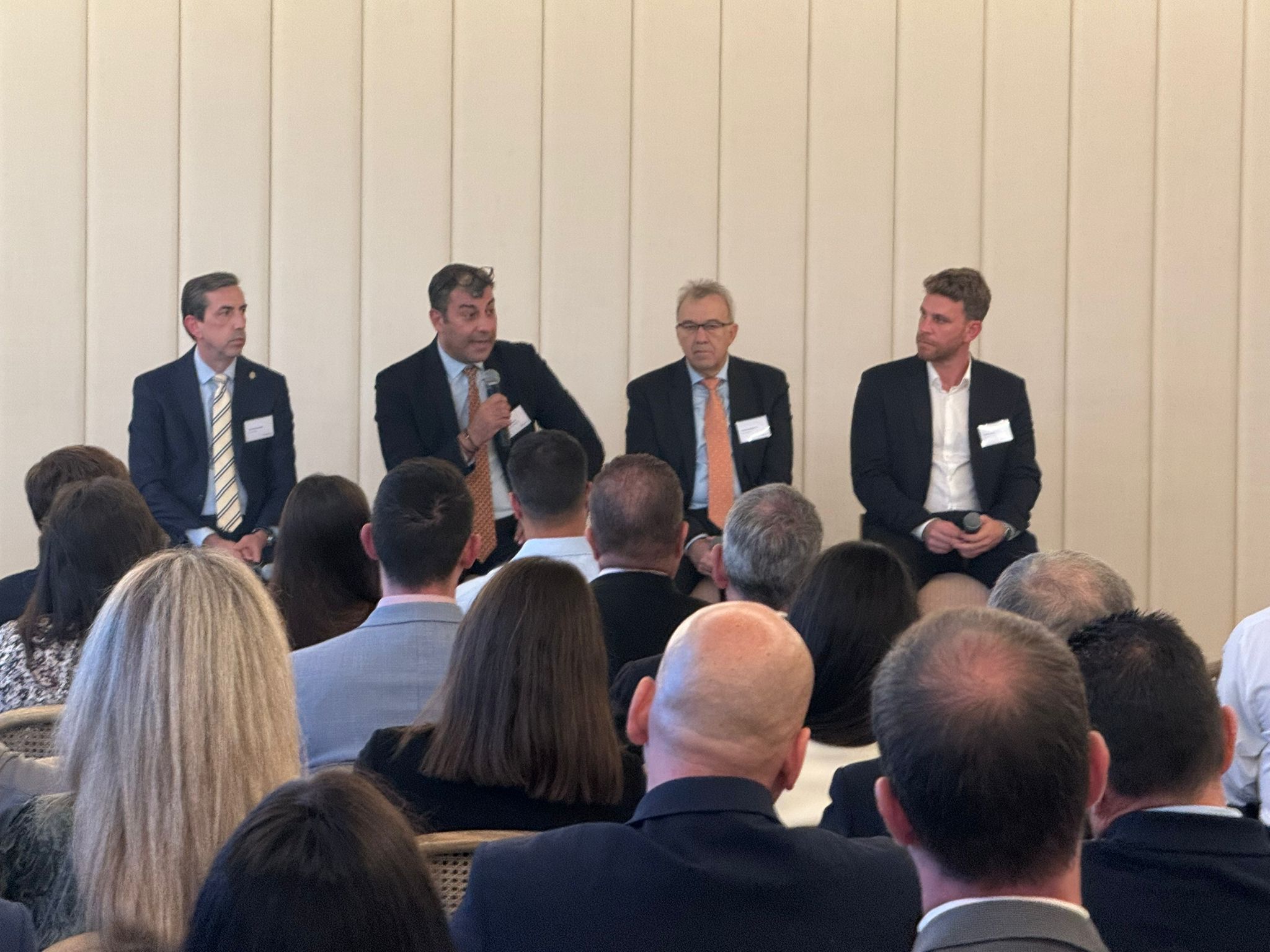
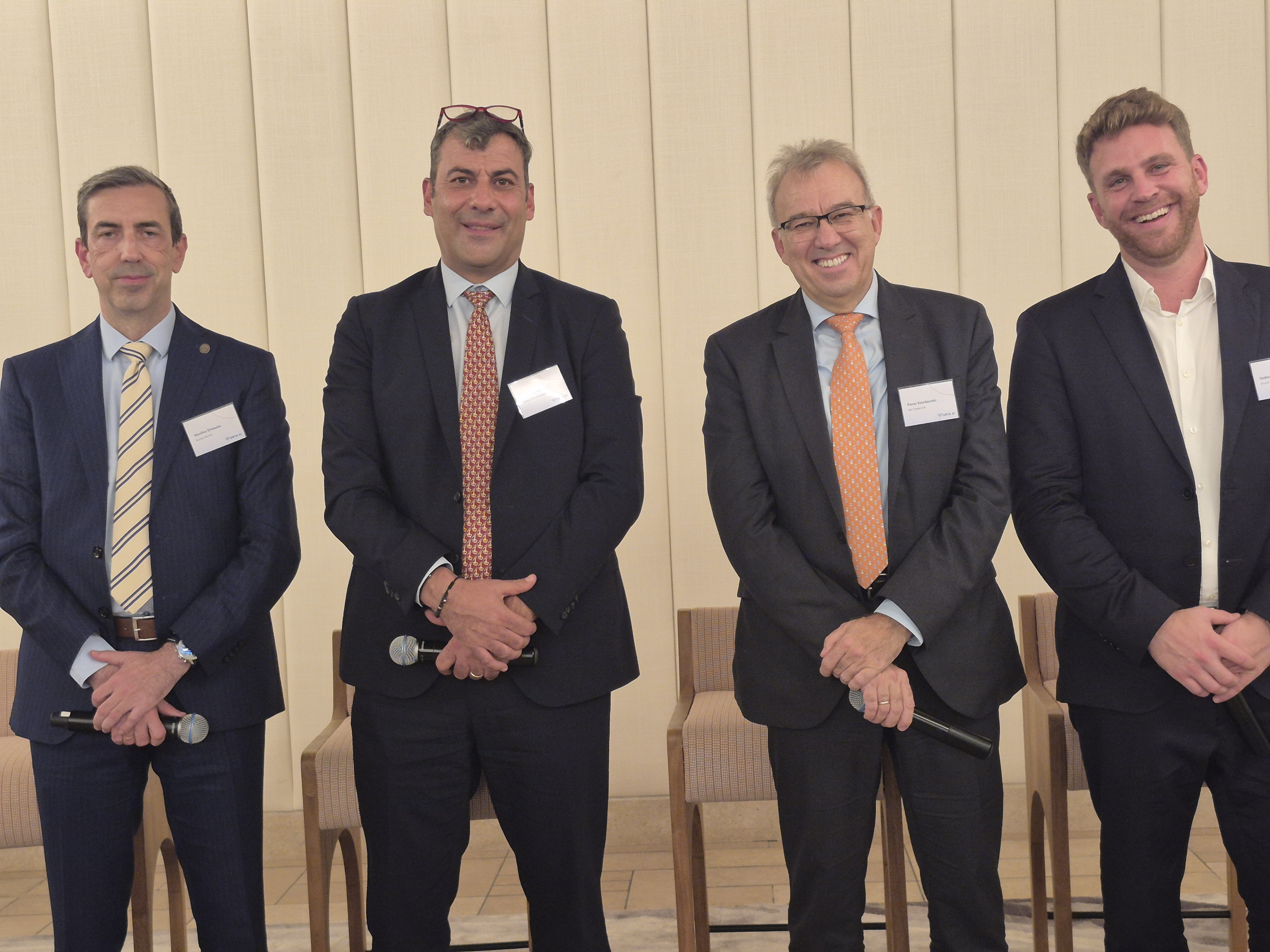
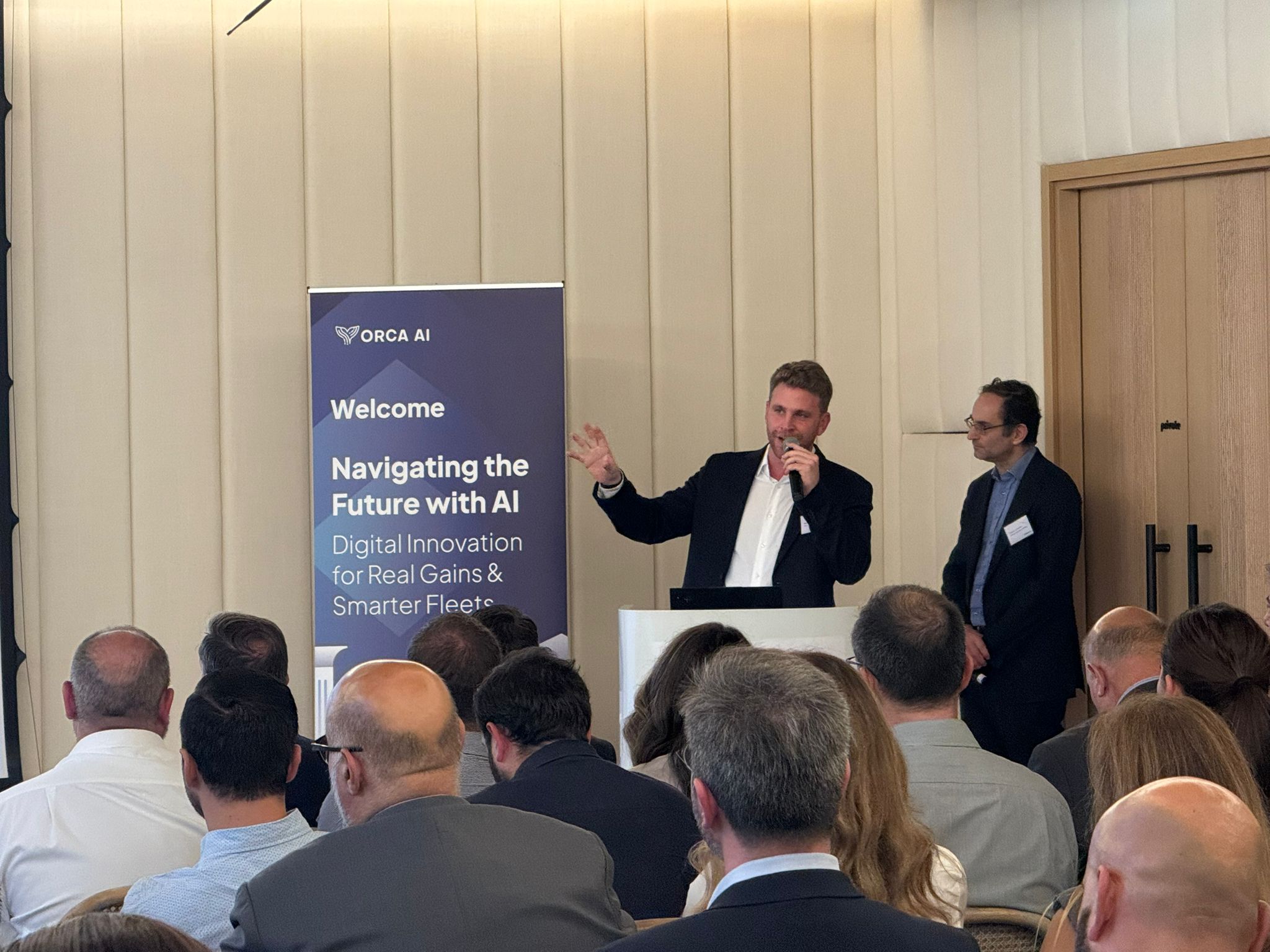
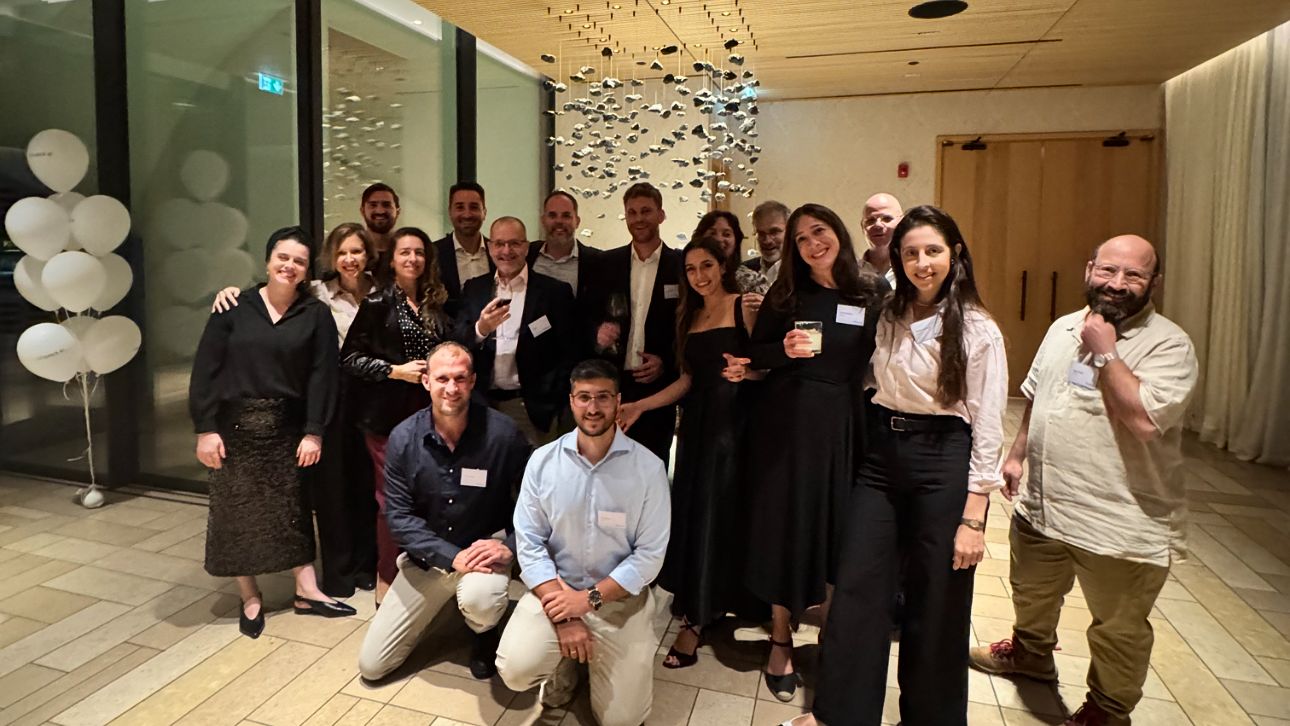
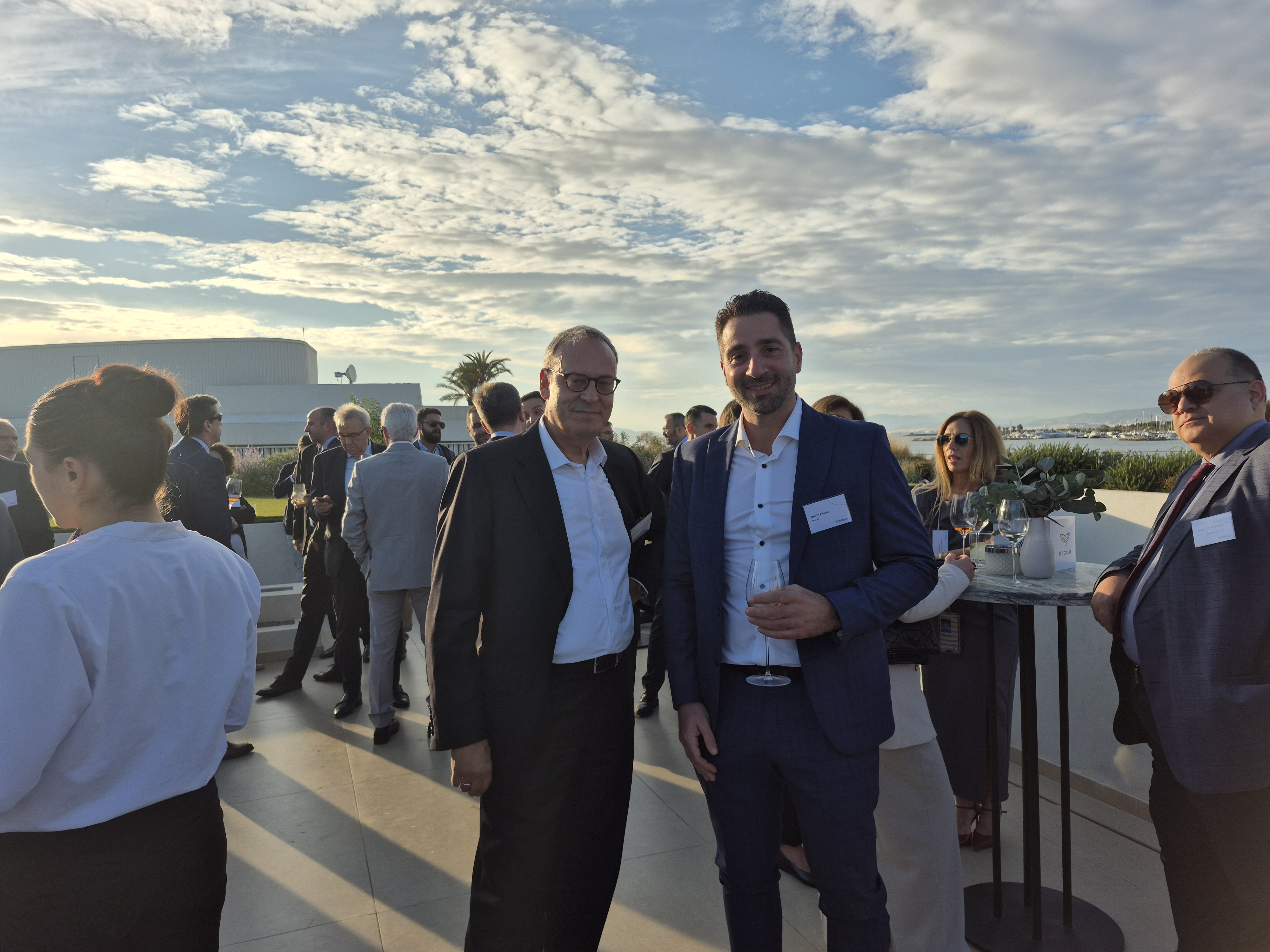
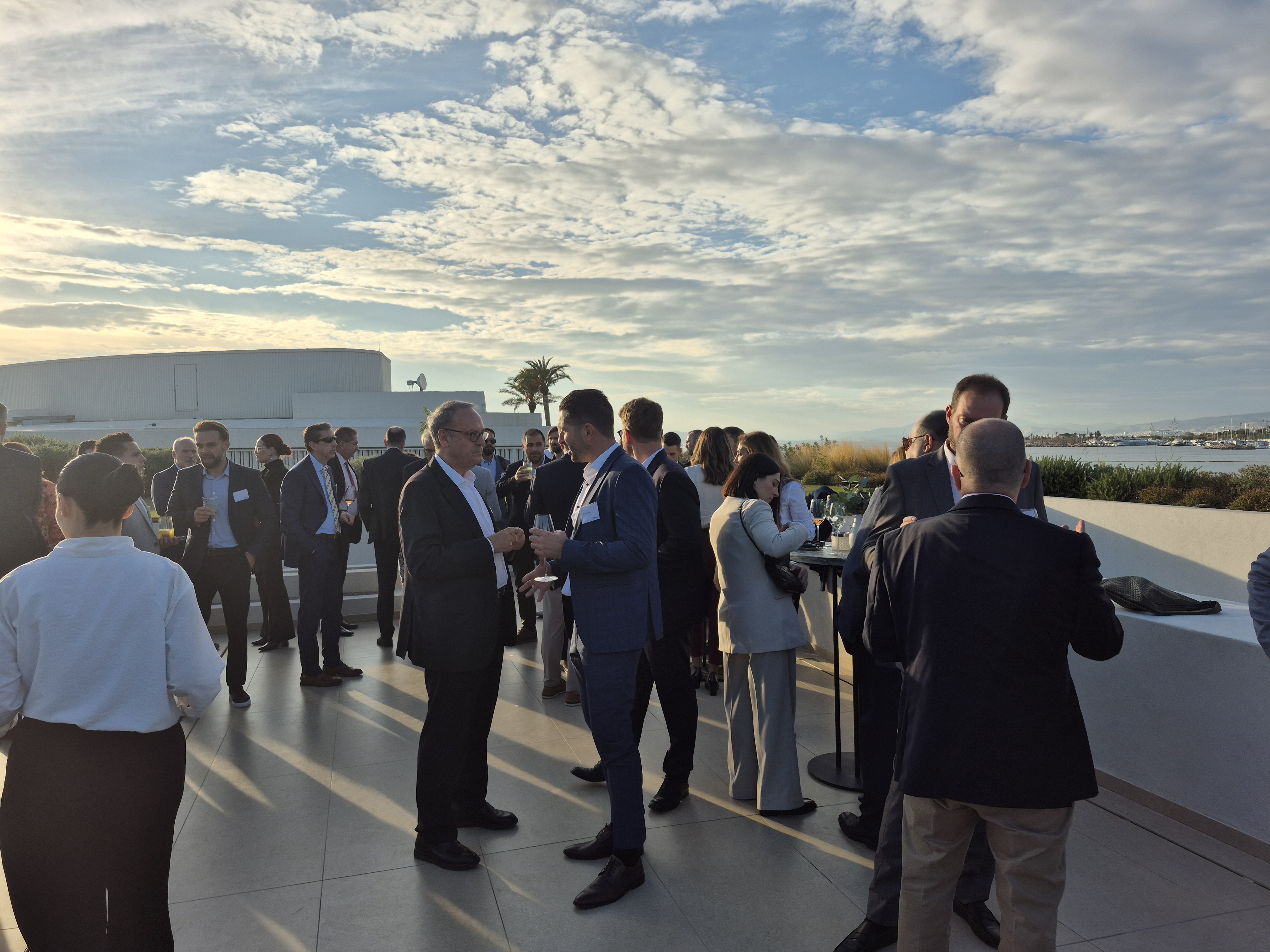
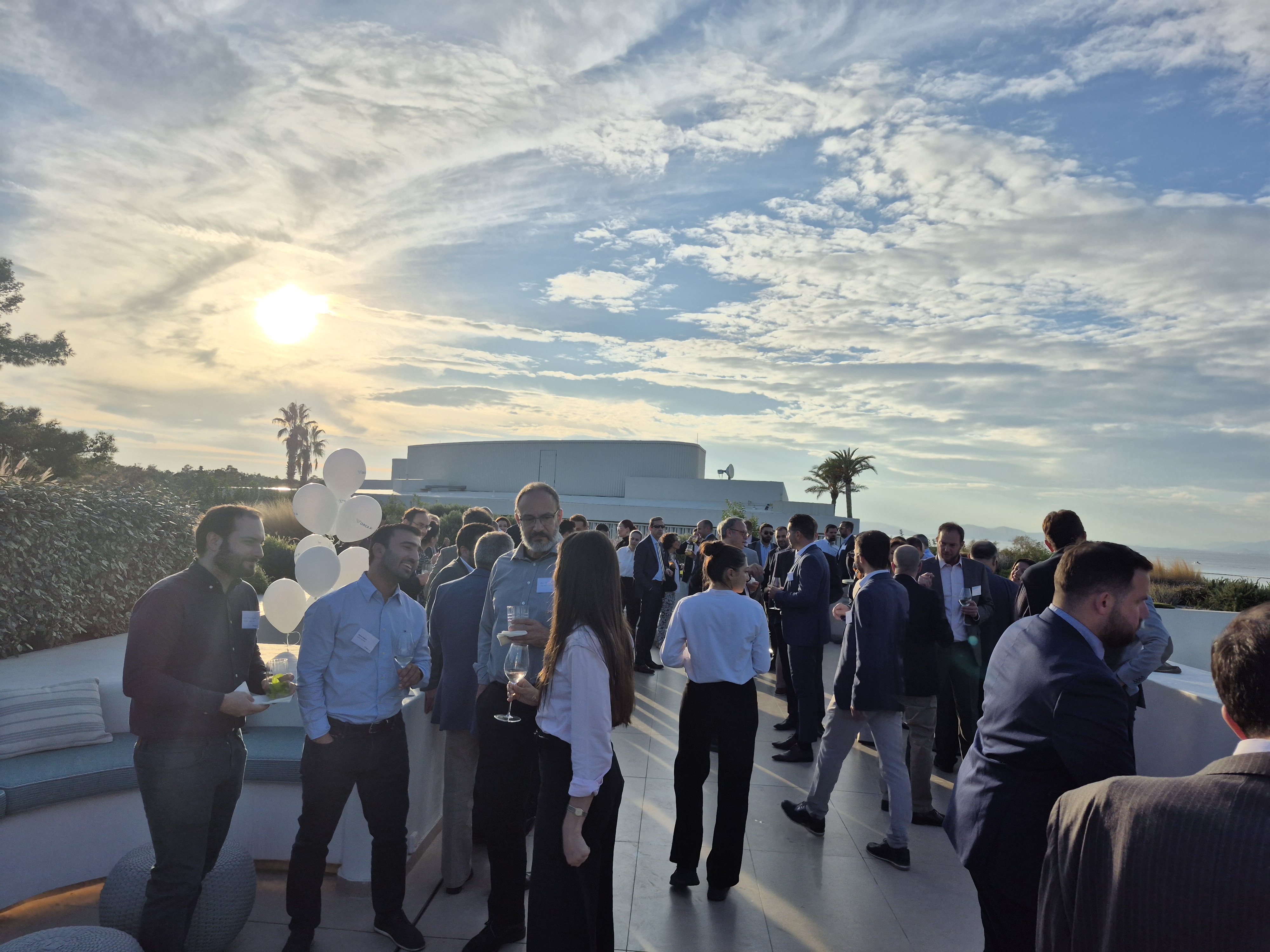
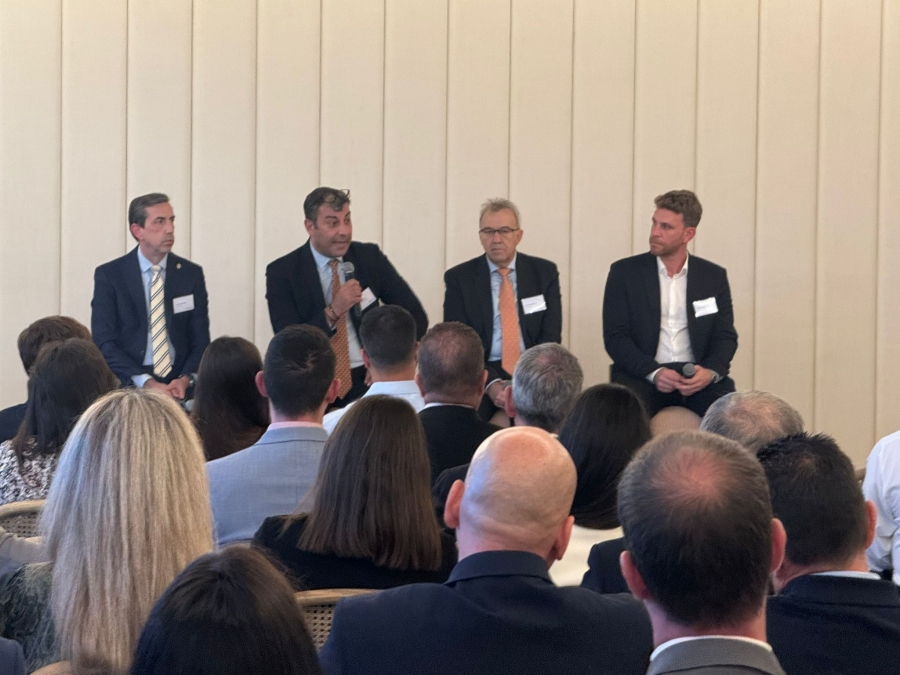
Members of the Greek shipping community gathered at the One&Only Aesthesis resort in Glyfada last week for an event hosted by maritime technology pioneer Orca A titled Navigating the Future with AI – Digital Innovation for Real Gains and Smarter Fleets. The event explored how AI is already reshaping navigational safety, regulation and operational culture across the global fleet – with Greek operators now playing a leading role in its adoption.
Moderator Edwin Lampert set the tone early, emphasising that the evening was not about distant possibilities but about “tangible results being realised today – safer navigation, sharper decision-making and measurable fleet performance".
KEY EVENT HIGHLIGHT:
SEA TRADERS LOGS DRAMATIC NAVIGATIONAL SAFETY GAINS USING ORCA AI'S OPERATIONAL PLATFORM
Ioannou Procopiou-led dry-bulk operator Sea Traders and ship-management company Prominence Maritime together control 16 bulkers and employ around 350 seafarers. Their partnership between Orca AI kicked off in late 2024, with five vessels now equipped Orca AI's AI-powered operational platform. Significant safety improvements became clearly evident within only a few months.
IMPRESSIVE FIGURES
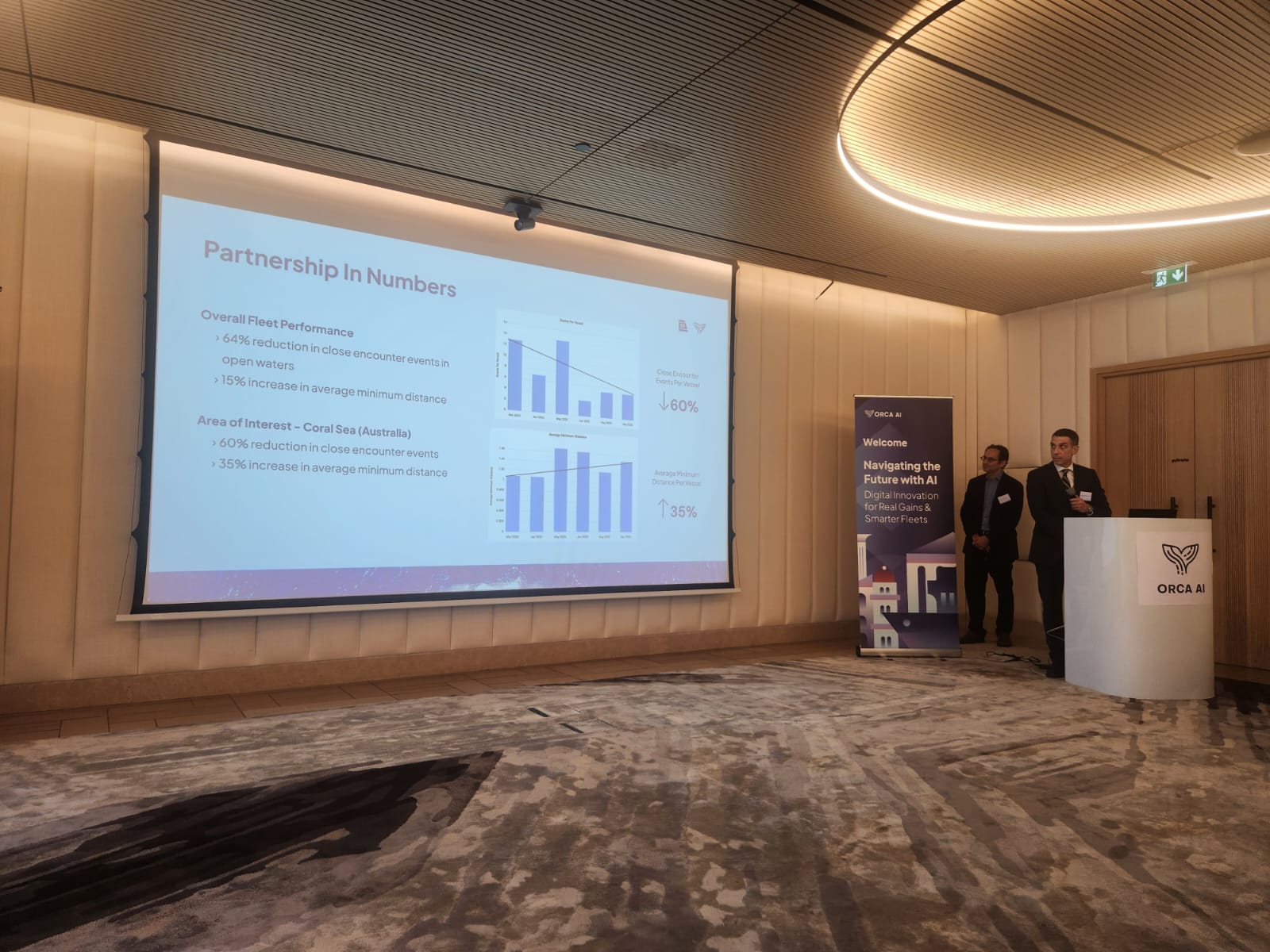
Capt Nestoras Grigoropoulos, HSSQE Department Manager and DPA) at Sea Traders, explained that by September 2025, the company recorded not only the 64% reduction in close-encounter events in open waters across the Orca-equipped vessels, but also a 15% increase in average minimum distance.
In specific regions such as the environmentally sensitive but busy Coral Sea corridor in Australia, the company saw a 60% reduction in close encounters and a 35% increase in minimum distance.
As Capt Grigoropoulos pointed out, significantly fewer near-misses equates to a much-reduced risk of collisions.
The results were even more striking for the Galio, where close-encounter events in congested waters has fallen by 83% and the vessel’s average minimum distance increased by 45%.
Capt Grigoropoulos said these figures show clearly how the Orca AI system helps their crews make earlier, better decisions – and when officers know that a well-trained tool is watching alongside them, they become more confident. Confidence builds competence, and competence builds safety, he added.
FEEDBACK FROM THE BRIDGE
The strongest endorsement, he said, comes from professionals on board, with crews actively requesting that more vessels be equipped with the system.
Sea Traders integrates Orca AI’s data directly into its safety management processes. Each month, the company analyses the AI reports and circulates tailored performance summaries to every ship – highlighting strengths as well as opportunities for improvement.
The company also uses these insights to create a spirit of friendly competition among its captains. If another master achieves a higher safety score one month, the others want to outperform him next month – which is a great way to drive positive engagement.
BUILDING TRUST IN NEW TECHNOLOGY
Panos Kourkountis, Sea Traders’ Technical Director, said that adopting AI is as much about mindset as metrics. He explained that when testing new technologies, it is necessary to convince three audiences — the crew, the office and finally management. He noted that with a solution that saves fuel, the benefit is easy to quantify, but with something that reduces risk, it is harder; the people using it need to believe it genuinely makes their work safer and easier. He added that such belief comes only through experience.
In terms of cost considerations, Kourkountis stressed that safety investments must be viewed through the lens of avoided losses. Every dollar spent on prevention is money saved on recovery, he added.
PARTNERSHIP BUILT ON DATA AND DIALOGUE
Sea Traders and Orca AI continue to deepen their collaboration through regular quarterly business reviews and data-driven benchmarking across the fleet. The next phase will focus on voyage-planning optimisation and tighter integration between operational data and navigational analytics.
Capt Grigoropoulos concluded by saying that for Sea Traders, enhancing navigational safety means fewer incidents, more efficient operations and, in the long term, a strong return on investment.
FURTHER EVENT HIGHLIGHTS:
BUREAU VERITAS – CREATING THE FRAMEWORK FOR “SMART SHIPPING”
The programme opened with a presentation by Vassilios Dimoulas, Technology and Innovation Director for East Europe at Bureau Veritas (BV), who outlined the class society’s structured approach to digital transformation. He described how BV’s “smart shipping” framework builds step by step – from computer-based and connected ships, to augmented and ultimately autonomous vessels.
Dimoulas explained that the drive toward digitalisation is underpinned by three key forces: the need for proactive safety management, growing regulatory demands for performance and emissions data, and the rapid evolution of technology itself. Yet, he noted, the transition is far from simple. “Shipping is a traditional industry,” he said, “and the management of change is one of our greatest challenges.”
To guide that change, BV has developed its own class notations and guidelines for machine learning and data quality, ensuring that early adopters can move ahead safely even while international regulation lags behind. The biggest challenge, he added, remains defining the precise boundary “between human and machine responsibility” – a central theme in the IMO’s forthcoming MASS Code on autonomous ships, which BV is helping to shape.
ORCA AI: EMPOWERING CREW, NOT REPLACING THEM
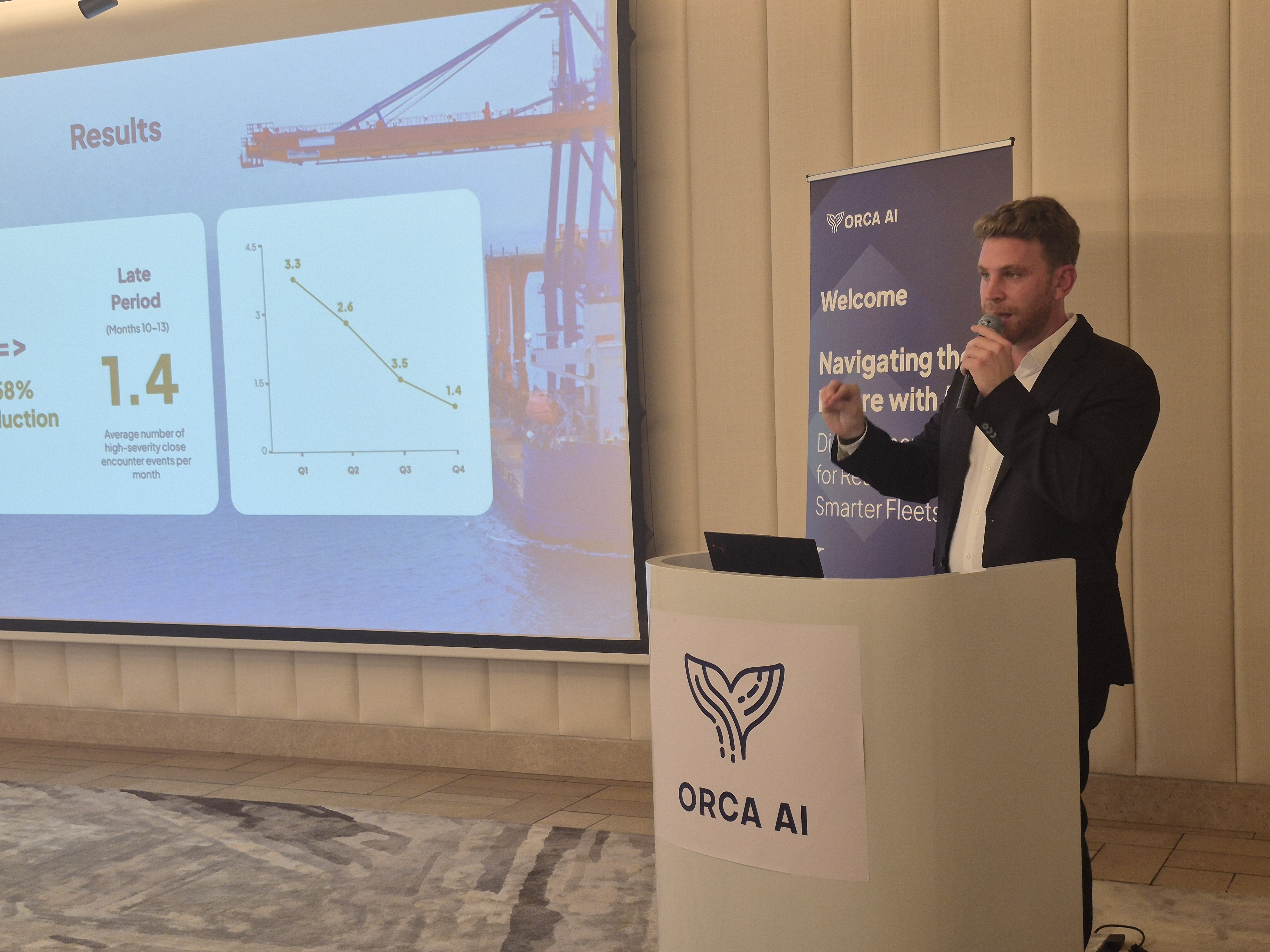
Closing the speaker line-up, Yarden Gross, CEO and co-founder of Orca AI, tied the evening’s insights together with a clear message: AI is already transforming the maritime world, and it is here to support seafarers, not displace them.
Gross highlighted how connectivity between ships and the cloud has enabled real-time data exchange, allowing AI to enhance situational awareness, reduce workload and assist decision-making. He also pointed to ongoing projects such as Orca’s collaboration with NYK in Japan, where the Japanese line's newbuilt car carriers will soon operate with autonomous navigation capabilities under human supervision.
“The crew remains central,” he said. “AI acts as a co-pilot – empowering them to perform at their best while reducing fatigue and risk.”
Gross also addressed the regulatory gap that continues to widen between technological capability and formal governance. “Technology will always move faster than regulation,” he said, urging industry stakeholders to define practical standards rather than wait for official mandates.
CAPITAL SHIP MANAGEMENT: CULTURE BEFORE CODE
Panelist Panagiotis Drossos, Managing Director of Capital Ship Management, brought a complementary perspective on the human side of AI adoption. He described how his company introduced similar navigational systems and initially faced scepticism from crews, who feared being monitored. “Once they understood the system wasn’t there to police them but to support them, everything changed,” he said.
The company’s first results even showed an increase in reported near-misses, which Drossos saw as positive. “It revealed what was already happening but not being captured. The key was to create a culture of learning rather than blame.”
For Drossos, the long-term value of AI lies in improved awareness and shared understanding between ship and shore. “Systems that improve judgement are here to stay,” he said. “Those that distract will go.”
FROM PILOT PROJECTS TO PRACTICAL TRANSFORMATION
The event concluded with a consensus that AI in shipping has moved beyond experimental trials and into operational reality. Greek owners and managers are now among those proving its value through disciplined adoption and real-world feedback.
Rather than waiting for a perfect regulatory framework, the participants demonstrated a pragmatic approach – building capability, trust and data-driven understanding that will help shape future standards.
The message from Athens was clear: maritime AI is no longer an abstract promise. It is a working part of bridge practice today – and companies willing to engage with it are already seeing the rewards.
ELNAVI Newsletter
More Information: ELNAVI,
19, Aristidou str., Piraeus 185 31,
Tel.: +30 210 45.22.100, e-mail: This email address is being protected from spambots. You need JavaScript enabled to view it.