


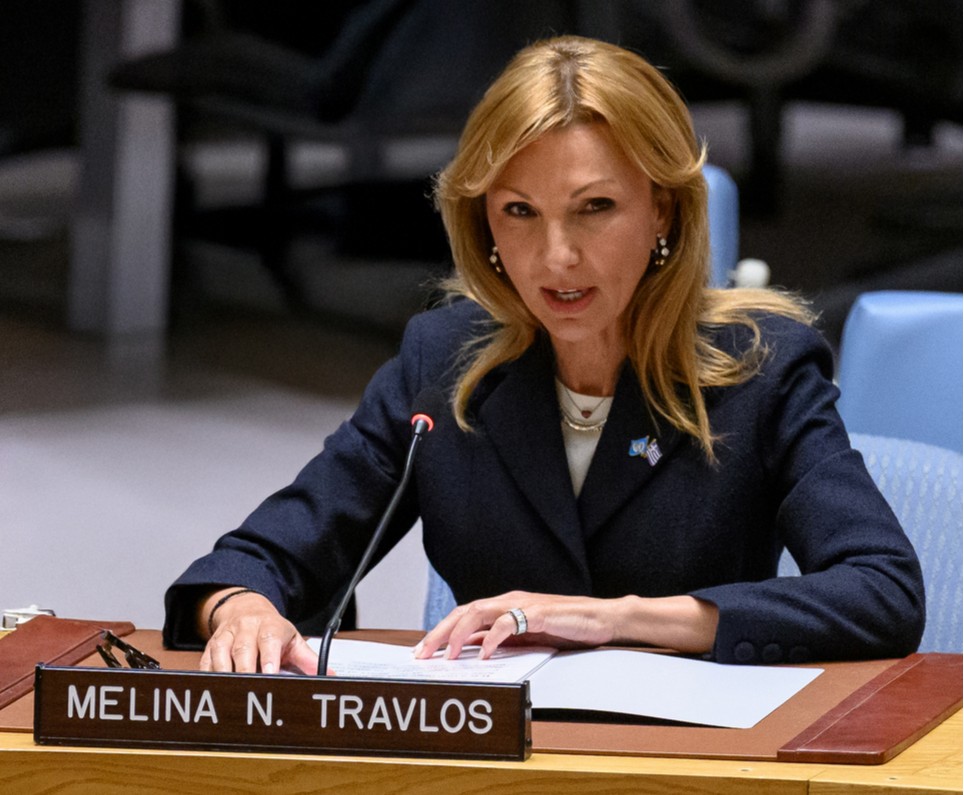

“Greek Shipping plays a vital role for the European economy”
Focusing on the main features of the Greek fleet and its vital role for the global, European and national economy and society the Union of Greek Shipowners published its 2024-2025 Annual Report providing statistics and insights for the future of the shipping sector.
Greek shipping remains the global leader, with 5,700 vessels. The Greek-owned fleet represents 20% of the global and 61% of the European Union’s fleet. As a dominant maritime nation, Greece contributes decisively to the energy, food and supply chain security of the EU Member States, as well as of the international community. Greek shipowners are also at the forefront of the sector’s green transition, with continuous and significant investments in new vessels, fitted with even more efficient and climate-friendly technologies.
The Report further sets out the UGS’s proposals vis-à-vis major policy developments and challenges for the shipping sector, including:
- • the sector’s energy transition to decarbonisation
• maritime security
• EU shipping policy
• ship financing
• trade policy
• human resources
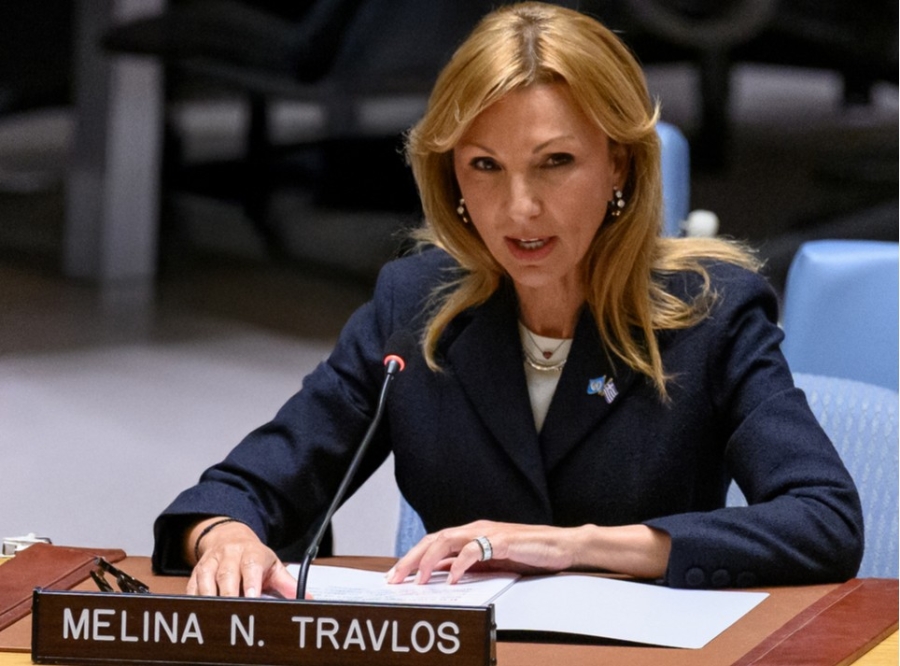
In her address in the Report, the President of the UGS, Melina Travlos, states: “Over the past year, the shipping industry once again navigated waters fraught with economic, environmental, and geopolitical uncertainty, with rising tensions along maritime routes and ongoing threats to freedom of navigation. Yet, in this landscape, Greek shipping honored its responsibility as a leader.
The UGS fostered cooperation across the maritime sector and beyond, as well as the global dialogue for the adoption of realistic and fit-for-purpose policies, with a composed, clear, and strong voice”.
Also, on the international stage of energy transition, we have consistently supported feasible global solutions, rather than unilateral and regional measures that undermine the sustainability of the sector. In this context, the recent agreement at the IMO regarding mid-term measures to reduce Green House Gas emissions from ships has raised serious concerns to the sector. Although the shipping industry constructively participated in the lengthy discussions and negotiations, its pragmatic proposals were taken into account only to a small and certainly not to a satisfactory degree. As the final agreement was the outcome of a balancing act among conflicting interests and a compromise among the different priorities of the Organization’s Member States, it poses significant implementation challenges.
On the European front, it is a fact that the European Union and European shipping are interdependent, as shipping is the bedrock of food and energy security, economic sovereignty, and geopolitical stability for Europe. It is imperative that EU institutions and citizens alike consistently recognize shipping’s irreplaceable role. Competitiveness and decarbonization must be addressed as complementary forces that act in parallel and interact, with the goal of the long-term sustainability of the industry. On the national front, the foremost challenge is safeguarding and advancing our leadership in an ever-evolving global environment. At the same time, maintaining and enhancing our maritime expertise requires respect for the human-centered nature of Greek shipping, strengthening the competitiveness of the Greek flag, and transforming maritime education in line with current demands, as well as emerging digital and technological developments.
ELNAVI Newsletter
More Information: ELNAVI,
19, Aristidou str., Piraeus 185 31,
Tel.: +30 210 45.22.100, e-mail: This email address is being protected from spambots. You need JavaScript enabled to view it.