


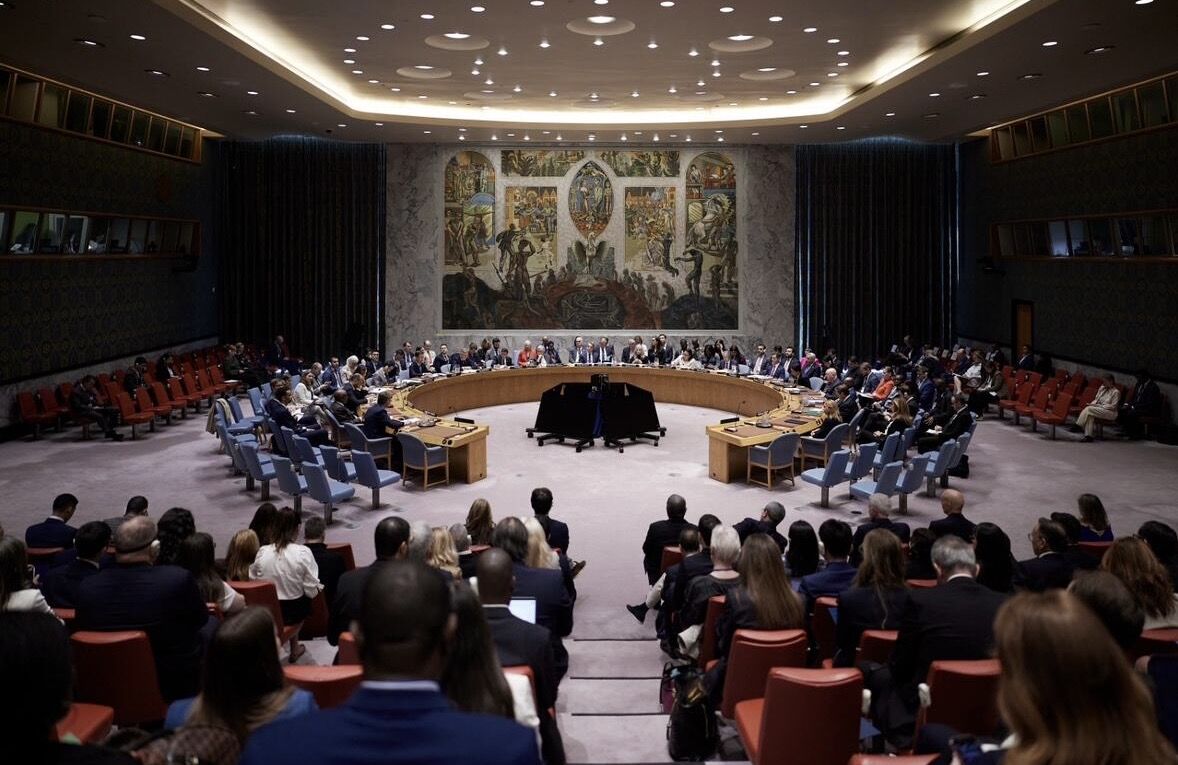
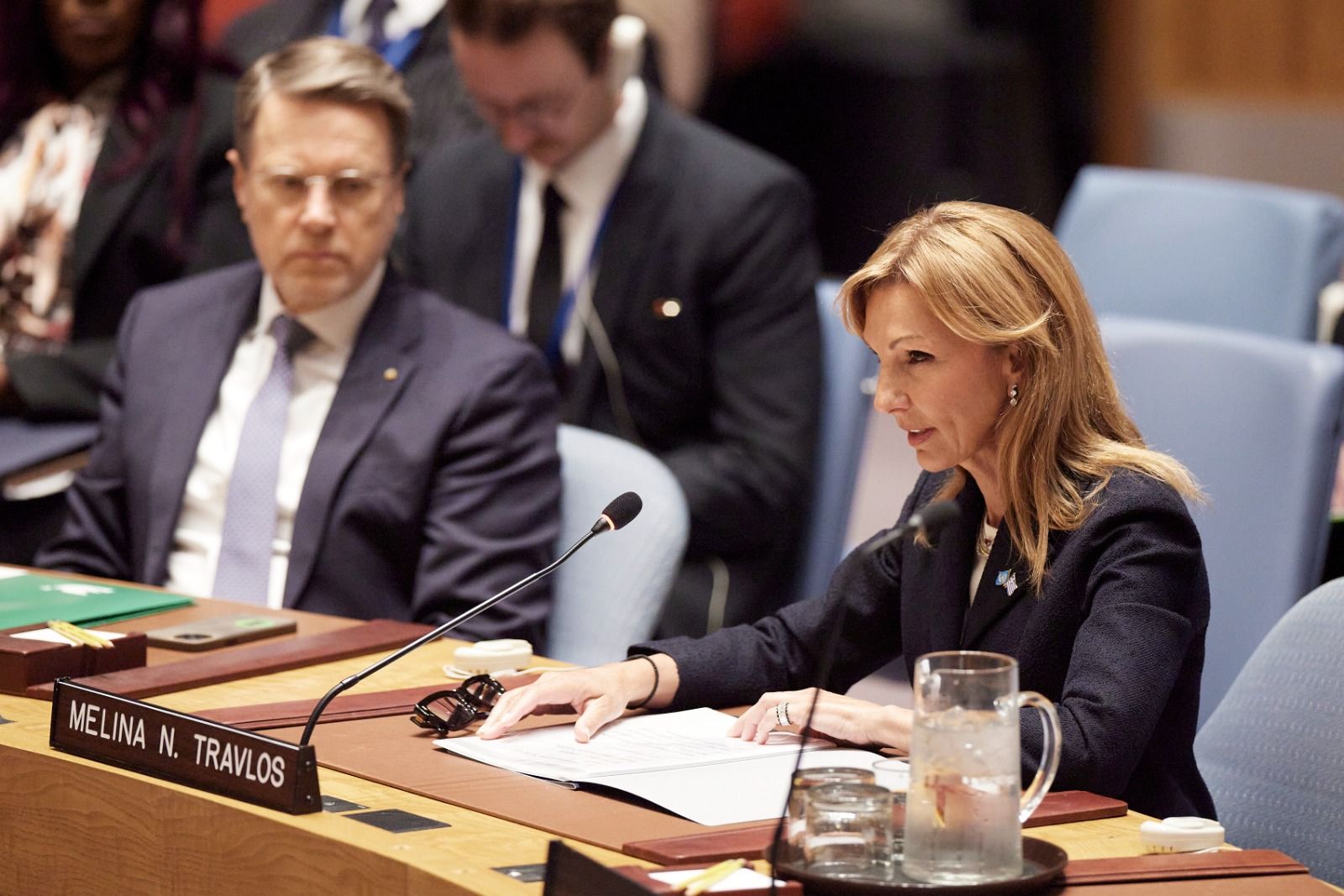
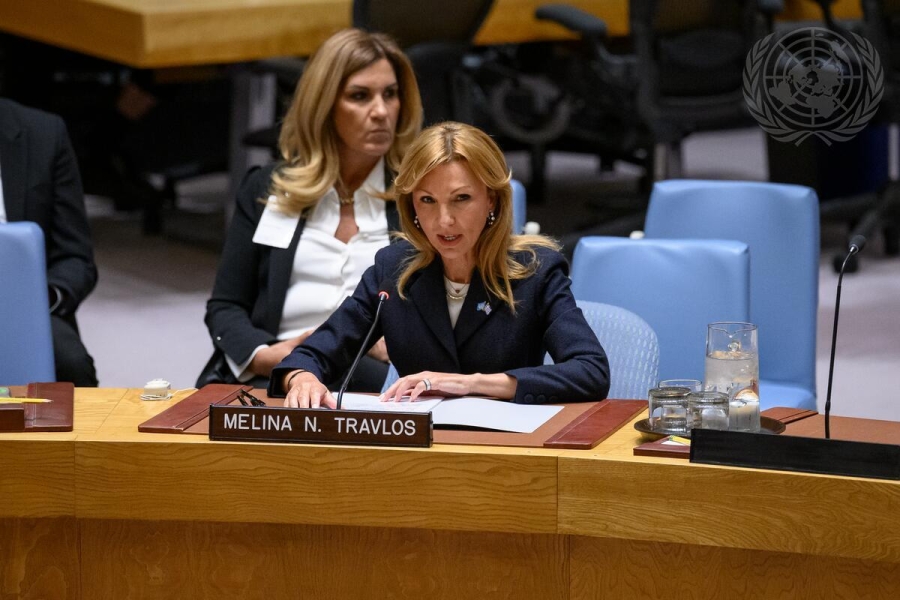
On the occasion of the Presidency of Greece, the UN Security Council convened a high-level open debate on the theme of “Strengthening Maritime Security through International Cooperation for Global Stability”, in the Security Council Chamber at UN Headquarters, on May 20.
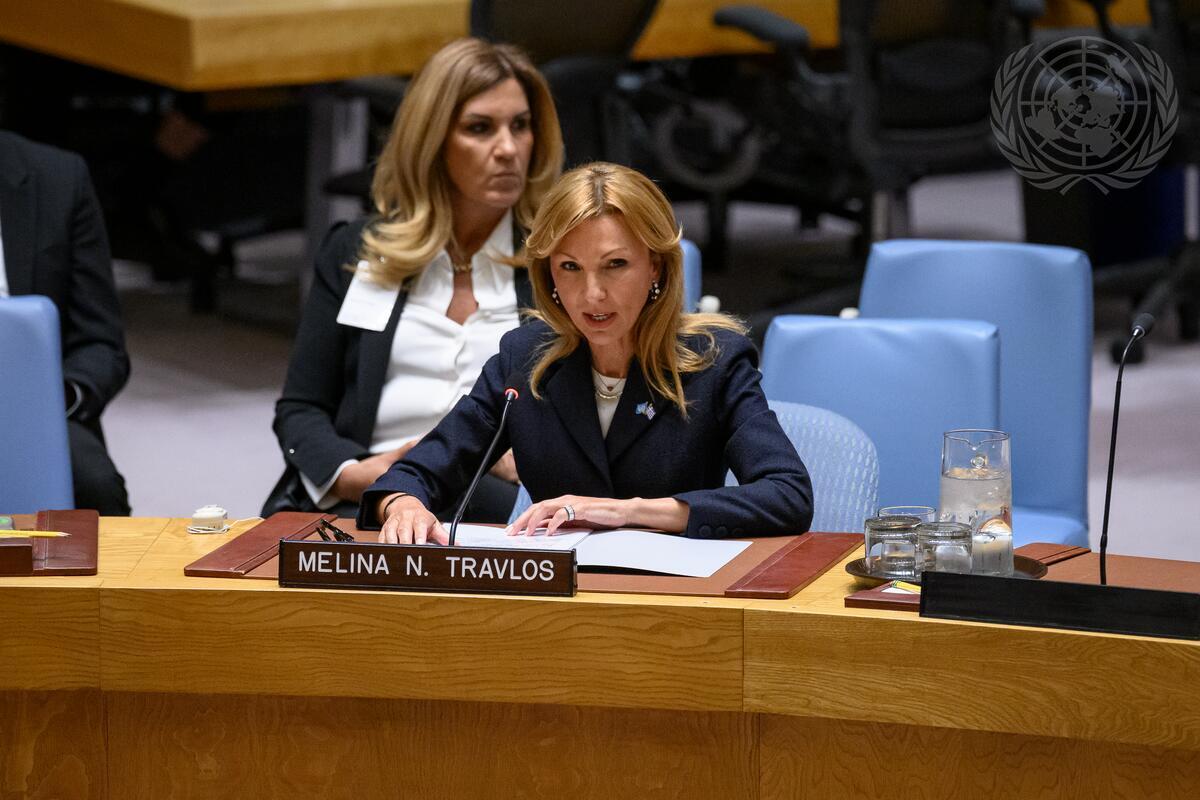
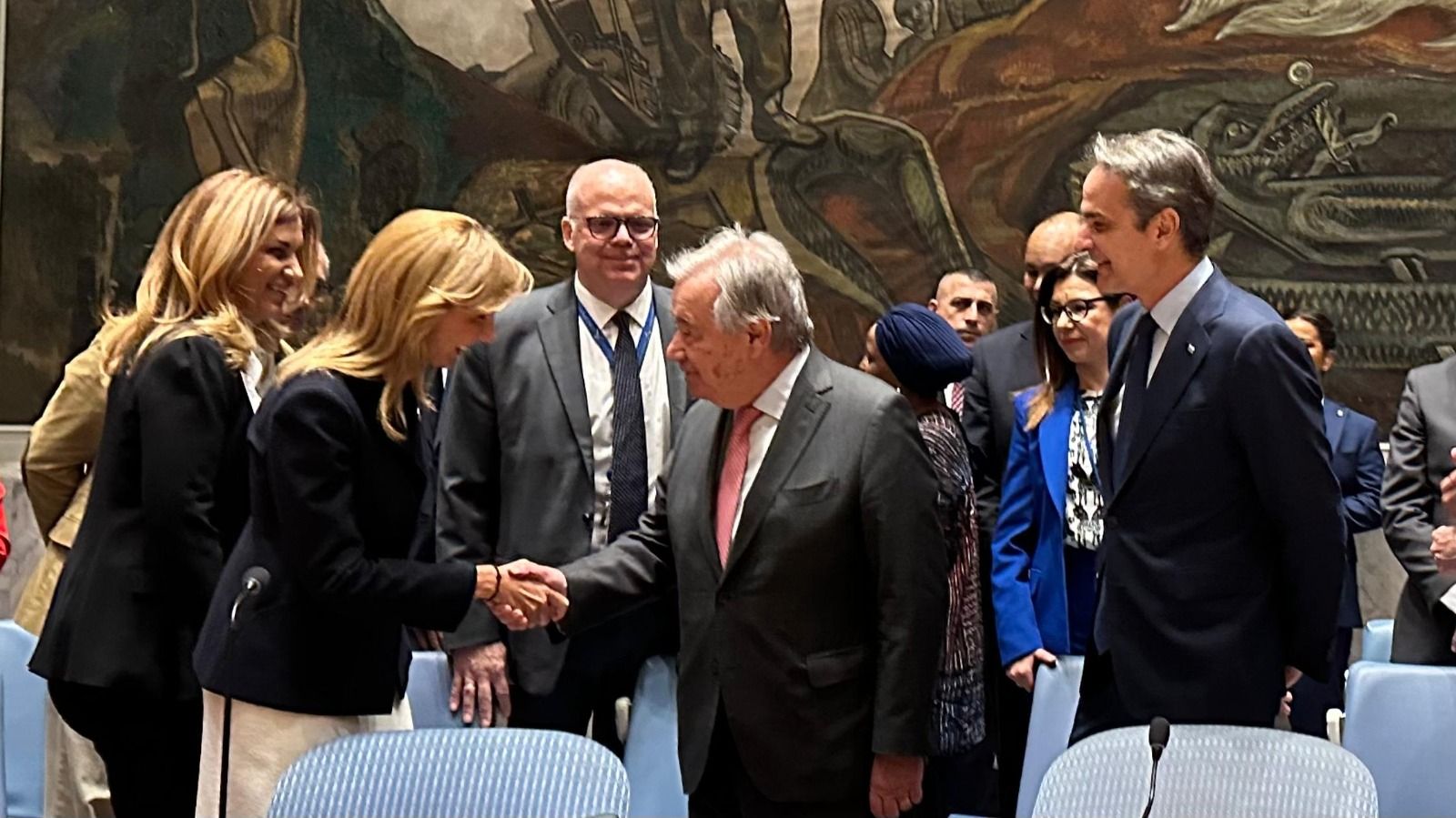
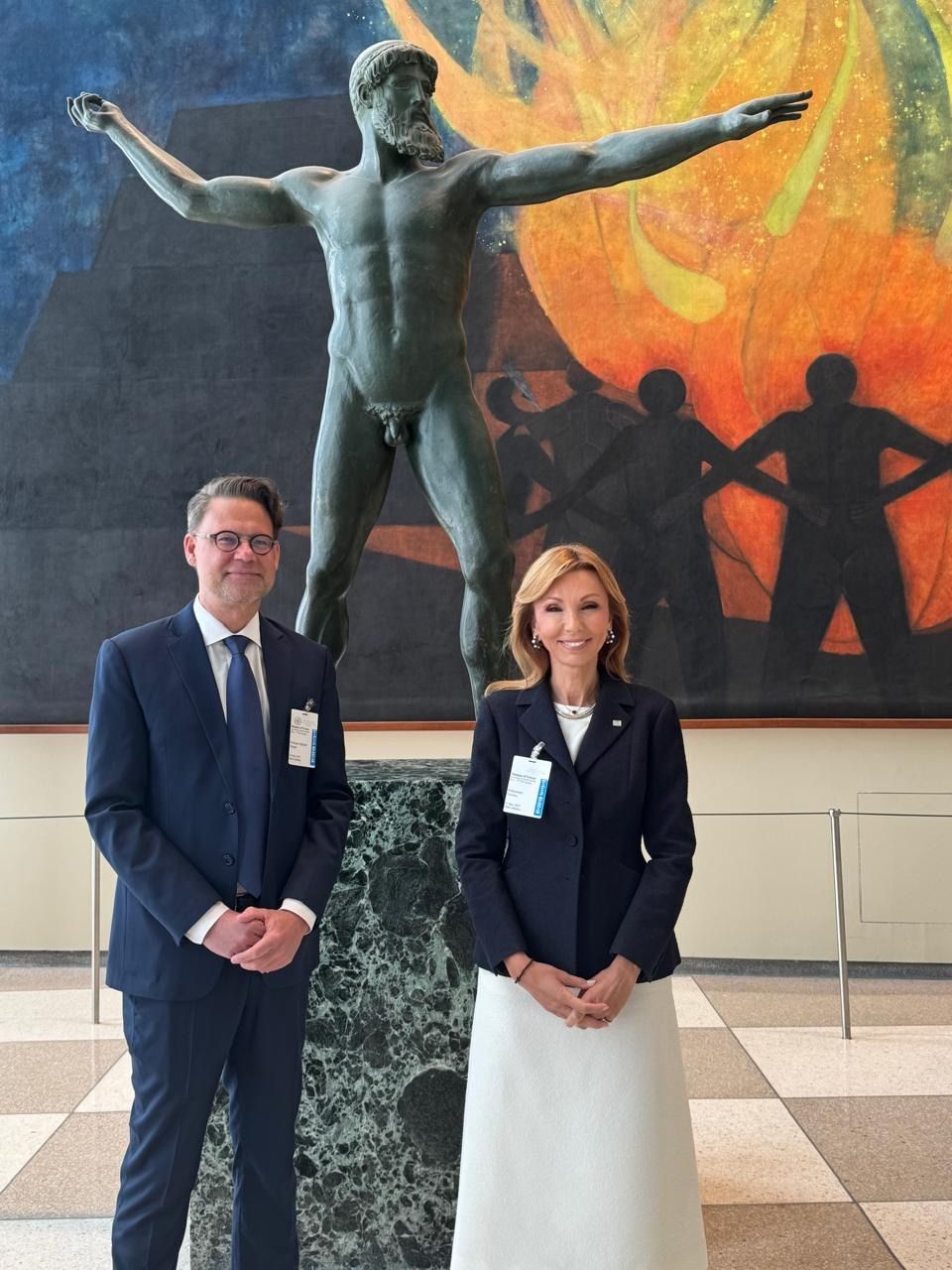
The debate was chaired by H.E. Kyriakos Mitsotakis, Prime Minister of Greece & the briefers were Mr. António Guterres, UN Secretary-General, Ms. Melina Travlos, President of the UGS, & Mr. Christian Bueger, Professor of International Relations at the University of Copenhagen & a research fellow at UNIDIR.
In a historic address - to both the Greek & global shipping-, Ms Melina Travlos placed the true gravity of maritime security at the forefront of the debate. Speaking immediately after the UN Secretary-General, she issued a universal call for unity & cooperation, embodying the spirit of the United Nations in its truest form, standing together, not just in name but in purpose. She also emphasized the need to collectively defend freedom of navigation, as a shared global responsibility & a cornerstone of peace and humanity.
The head of the United Nations told the Security Council that the “basic condition” for preserving maritime security is that all States respect international law, following which speakers in a day-long debate urged cooperation to address common challenges in this domain.
“Without maritime security, there can be no global security,” said António Guterres, Secretary-General of the United Nations. Yet, the world’s oceans are increasingly under strain from threats both traditional and emerging — challenges around contested boundaries, depletion of maritime resources, escalating geopolitical tensions — and “no region is spared”, he stressed. “And the problem is getting worse,” he added, spotlighting Houthi attacks on commercial vessels in the Red Sea, trafficking in the Gulf of Aden and the Mediterranean Sea and myriad crime in the Gulf of Guinea.
“Facing these and other threats, the world’s maritime routes and the people depending on them are sending a clear ‘SOS’,” he said, urging action in “three key areas” — respecting international law, addressing the root causes of maritime insecurity and creating “partnerships at all levels”. Pointing out that the upcoming 2025 UN Ocean Conference in Nice, France, will “provide an important moment for the countries of the world to take action”, he underscored: “As threats to maritime security are becoming more complex and interconnected, enhanced coordination and stronger maritime governance are essential.”
Next, Melina N. Travlos, President of the Union of Greek Shipowners and Chair of the Board of the Neptune Group of Companies, said that Greek shipping accounts for over 20 per cent of the global — and 61 per cent of the European Union’s — fleet. She also noted that more than 12 billion tons of goods are transported around the world each year. “In the COVID-19 pandemic, when all other sectors shut down, we kept supply chains alive, delivering the medicines and goods that people needed,” she emphasized. And in humanitarian crises such as mass migration, vessels regularly participate in rescue operations.
However, she warned that shipping is increasingly being weaponized. “Piracy is evolving — not retreating,” she stated. In 2024, 116 incidents were reported — representing a 35 per cent increase from 2023 — and organized crime, as well as trafficking in drugs and persons, are growing threats alongside cyberwarfare. Stressing that a single cyberattack can disrupt vessel operations or trigger environmental disasters, she called for a global commitment to keep maritime security a top priority and a standing policy issue in the United Nations. “We must shift from reaction to prevention, from crisis response to crisis readiness,” she urged.
Yet, Christian Bueger, Professor at the University of Copenhagen and Research Fellow at the United Nations Institute for Disarmament Research (UNIDIR), pointed out that the Council has been confronting these issues in an ad-hoc manner. “There are no sustained efforts to address maritime security systematically,” he said, and many emerging issues lack adequate attention as a result. For example, “blue crimes” — such as piracy and smuggling — persist, undermining regional stability. “The resurgence of piracy off the coast of Somalia — previously thought to be contained — serves as an important reminder that our efforts in combating crimes at sea must be sustainable,” he said.
Also requiring sustained, systematic attention, he stressed, are the proliferation of autonomous weapons systems, naval mines, maritime cybersecurity threats, substandard shipping linked to sanctions evasion and the need to protect critical maritime infrastructure. And despite the need for evidence-based decision-making, global data on evolving maritime security threats is lacking. Adding that “there is no global strategy and no coordination instrument in place”, he called on the Council to “chart a course” towards systematic, evidence-based and coordinated maritime-security governance, observing: “As the waters that connect us face growing threats, our response must be equally connected.”
ELNAVI Newsletter
More Information: ELNAVI,
19, Aristidou str., Piraeus 185 31,
Tel.: +30 210 45.22.100, e-mail: This email address is being protected from spambots. You need JavaScript enabled to view it.