



-
Home

-
About Elnavi
- elnavi

elnavi
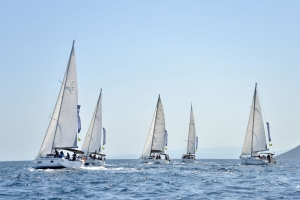
An opportunity for connection, relaxation, teamwork, and social awareness for maritime executives, organized by Drydockers
Set against the blue backdrop of the Saronic Gulf and fueled by the enthusiasm of both seasoned and novice sailors, the 2nd Drydockers Regatta, held over the weekend of May 10–11, once again proved to be a true celebration of sailing and networking for maritime executives.
180 participants from 35 shipping companies aboard 20 sailing boats had the opportunity to connect, unwind, and share the joy of sailing during a unique two-day event, organized for the second consecutive year by Drydockers. This year’s Regatta surpassed the success of the inaugural event, raising the bar and paving the way for the establishment of a popular new tradition in the shipping community.
On Saturday, the participants boarded the boats provided by Drydockers and set sail from Alimos Marina, covering 30 nautical miles to reach Poros. Guided by experienced skippers, all crews gave their best, embracing a spirit of teamwork and fair play.
At the end of the race, the official results were announced with team 12 and the boat KYVELI taking the 1 st place, team 11 with the boat EROS following in the 2 nd place, while the 3 rd place was shared equally by team 17 with the boat ATARAXIA and team 16 with the boat FAMIGLIA.
The award ceremony took place on Saturday evening in Poros, followed by a festive dinner with all participants in a warm atmosphere filled with live music, traditional Greek dancing, and high spirits.
On Sunday, the sailors set course for Aegina, where they took part in a meaningful corporate social responsibility activity, supported by HELMEPA and the Municipality of Aegina, and coordinated by we4all. Cleanup kits, including large trash bags and gloves, were provided by Artemis and the Municipality of Aegina, with the latter also managing the collection and sorting of the waste. Taking on the cleanup of Perdika beach, participants had the opportunity to contribute to the protection of the Saronic coastline and raise awareness around sustainability. The yachts returned to Alimos Marina on Sunday afternoon.
The event was held under the auspices of the Greek National Tourism Organization (GNTO), highlighting its significance as an initiative that promotes the Argosaronic region, Poros, and Aegina to a broader audience, reinforcing Greece’s image as a premier destination for sports tourism.
Can Ozturk, Managing Director of Drydockers, said: «We are particularly proud that the Drydockers Regatta has now established itself as a special experience for the shipping industry, combining the joy of sailing with teamwork, sustainability, and authentic hospitality. The passion and participation of everyone drives us to move forward with even greater momentum»
ABOUT DRYDOCKERS:
Drydockers is a company that provides personalized ship repair services. It was founded in 2021 by Can Ozturk, and with its dynamic team, connects ship owners and technical managers with the most reliable shipyards worldwide. Headquartered in Athens and with branches in Hamburg and Istanbul, Drydockers leverages a selected global network of highly skilled professionals. The company’s high level of expertise and commitment to being present at each shipyard for every project it undertakes ensure uncompromising quality and top- tier ship repair and maintenance solutions worldwide.
ELNAVI Newsletter
More Information: ELNAVI,
19, Aristidou str., Piraeus 185 31,
Tel.: +30 210 45.22.100, e-mail: This email address is being protected from spambots. You need JavaScript enabled to view it.
Bureau Veritas calls for standardized safety regulations to accelerate adoption of electrification technology
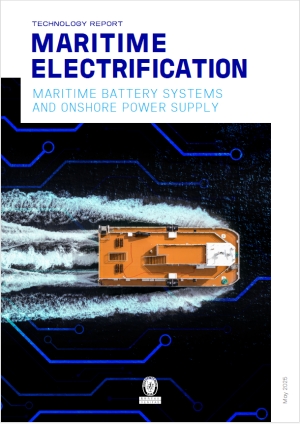
Bureau Veritas Marine & Offshore (BV), a world leader in testing, inspection, and certification, has called for greater clarity regarding standardized safety regulations that will advance the development of maritime electrification technologies, following the publication of a new technology report, Maritime Electrification: Maritime Battery Systems and Onshore Power Supply. The report explores how electrification technologies – specifically Energy Storage Systems (ESS) and Onshore Power Supply (OPS) solutions – can act as a viable solution to support maritime decarbonization strategies.
While OPS benefits from existing international standards, battery systems remain under-regulated despite growing safety concerns. The risk of thermal runaway incidents within lithium-ion (li-ion) battery technology poses a serious challenge to crew members. Thermal runaway, a rapid, uncontrollable increase in battery temperature can lead to fires that are difficult to extinguish and poses a significant hazard to crew welfare. Despite the increasing deployment of ESS across the global fleet, current safety guidance remains fragmented and largely non-mandatory.
Classification societies, such as BV, are working to bridge the regulatory gap by establishing technical Rules – such as BV NR467 Rules for the Classification of Steel Ships which outlines technical and safety requirements for marine battery installations – to support the integration of these systems into maritime operations, as well as partnering with industry organizations such as the Maritime Battery Forum to develop voluntary safety guidance.
BV’s technology report highlights the dual opportunity presented by marine batteries and shore power systems. Battery adoption is accelerating, with over 1,000 battery-powered ships in service globally. Meanwhile, OPS systems are already supported by EU regulation, with FuelEU Maritime establishing the mandatory use of OPS systems for container and passenger ships docked at EU ports from 2030, followed by all EU ports with OPS facilities from 2035.
The launch of the technology report follows the International Maritime Organization’s (IMO) MEPC 83 outcomes, announced in April 2025, which sets ambitious emissions reduction targets through 2040. However, current projections indicate the measures may fall short of the 2030 goals, prompting renewed focus on all viable low-emission technologies. Electrification, though not directly addressed at MEPC 83, is increasingly recognized as a viable enabler of the industry’s net-zero transition.
While existing policies and regulations have provided a foundation for safety and standardization, the technology report acknowledges that there is still work to be done at an international regulatory level to instill confidence in ESS and OPS. Comprehensive, enforceable international standards are needed to ensure the safe deployment of li-ion technologies at scale and pace.
Matthieu de Tugny, President of Bureau Veritas Marine & Offshore, said: "Electrification technology is well established in the industry. However, in order to scale effectively and safely, ESS and OPS systems must be supported by robust, standardized and mandated safety regulations. Without clear international safety standards that regulate the integration of battery systems – particularly regarding fire prevention, crew training and emergency response – owners and operators may lack the assurance needed to integrate these systems into their decarbonization strategies. The industry must work collectively to bridge the current regulatory gap in order to ensure electrification technology achieves its potential in driving shipping’s decarbonized future.”
To access the full technology report follow the link here – MARITIME ELECTRIFICATION | Marine & Offshore
ELNAVI Newsletter
More Information: ELNAVI,
19, Aristidou str., Piraeus 185 31,
Tel.: +30 210 45.22.100, e-mail: This email address is being protected from spambots. You need JavaScript enabled to view it.
Roxtec Hellas opens office in Piraeus in May
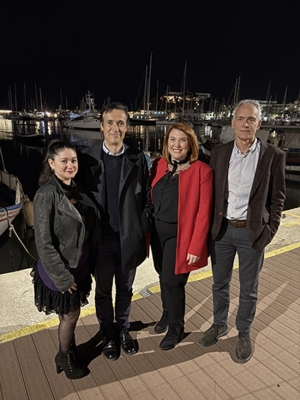
Global cable and pipe transit provider Roxtec explores further opportunities in Greece After 25 years of presence in Greece via a distributor, the world-leading developer and manufacturer of modular-based transits will run its own business activities in the Greek market. Roxtec Group opens its 28th sales company, Roxtec Hellas, in the port of Piraeus.
“By taking over the business activity from our well-established distributor and by opening Roxtec Hellas, we further strengthen our possibilities to support customers within several segments with our safety solutions. We already know that we can contribute to the marine, power, renewables, data center, construction and process industries,” says Fernando Sánchez, who is Managing Director of Roxtec in Spain and Portugal and in charge of the establishment of Roxtec in Greece.
Supporting many industries Roxtec is focusing on innovative sealing solutions, inspection services and digital tools and is active in many industries. Roxtec cable and pipe seals are used to ensure safety, efficiency and long-term operational reliability in challenging projects in the marine and offshore industries as well as in wind farms, solar farms, electrical substations, chemical plants, labs and critical infrastructure projects, including power grids, data centers, airports, ports, metros and railways.
Providing certified protection
The cable and pipe seals help ensuring protection against multiple hazards, including fire, gas, water, dirt, dust, rodents, electromagnetic interference and the risk of explosion. They can also provide solutions for bonding, grounding and electrical safety, and are adaptable to cables and pipes of different sizes. It is, however, more innovations that contribute to the global recognition: “Besides proven and certified sealing solutions for cable and pipe penetrations, we offer transit quality inspection services and transit management software,” says Fernando Sánchez.
The Roxtec Hellas office opens in May. It is located in the port of Piraeus and equipped with a warehouse to enable Roxtec to provide close and quick support to the strong marine business.
“We have seen the fantastic development in Greece in the last years and want to be part of this exciting journey. Greece is an important market for marine activities, and we look forward to supporting ship owners with our certified seals, our software suite and our inspection capabilities.”
About Roxtec and Multidiameter™
Roxtec cable and pipe transits provide certified protection against multiple risks. The Roxtec invention for flexibility, Multidiameter™, is based on sealing modules with removable layers and ensures perfect tightness around cables and pipes of different sizes. Roxtec serves and supports customers worldwide with sealing solutions, digital tools, and transit safety inspections.
Caption: Roxtec Hellas takes over the entire distribution of Roxtec cable and pipe transits in Greece. From left: Nicki Kioussi, Fernando Sanchez, Athina Xartomatzidou, George Aggelopoulos
ELNAVI Newsletter
More Information: ELNAVI,
19, Aristidou str., Piraeus 185 31,
Tel.: +30 210 45.22.100, e-mail: This email address is being protected from spambots. You need JavaScript enabled to view it.
POSIDONIA SEA TOURISM FORUM 2025 drops anchor in Heraklion as Cruise Industry Charts a Sustainable Course
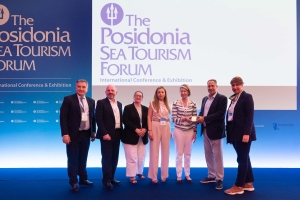
Marking a pivotal moment in the Mediterranean’s cruise tourism landscape, The 8th Posidonia Sea Tourism Forum (PSTF) takes place in the port city of Heraklion, Crete, Hosted for the first time on Greece’s largest island, the forum brought together over 200 senior executives, policy makers, port authorities, and tourism experts to explore the future of sustainable sea tourism under the theme: “The Med: A Compelling Need for New Marquee Ports & Destinations.”
The opening session featured welcoming remarks from key government and regional figures, including Minas Papadakis, CEO of the Heraklion Port Authority; Anna Karamanli, Greece’s Deputy Minister of Tourism; Stavros Arnaoutakis, Governor of the Region of Crete; and Apostolos Tzitzikostas, EU Commissioner for Sustainable Transport & Tourism.
In his keynote address, Commissioner Tzitzikostas framed the magnitude of the opportunity- and the challenge - facing the cruise sector:
“In Greece alone, there were almost 5,500 cruise port calls in 2024, bringing around eight million passengers to our shores. That’s a remarkable number that reflects how vital this sector is to our national and regional economies. But growth cannot come at the expense of sustainability. Competitiveness and environmental responsibility must go hand-in-hand if we are to secure a future for the next generation of travellers.”
He also drew attention to the changing values of the cruise market’s emerging demographics:
“Interest in cruise holidays among young people has risen by more than 55% in the past five years, showing a renewed appetite for the experience. At the same time, environmental awareness is surging- concerns about the cruise industry’s impact on the planet have grown by 32% among this same group. We must listen and respond.”
The Commissioner announced the EU’s forthcoming Ports Strategy, due to be unveiled later this year: “This comprehensive plan will focus on strengthening the competitiveness of European ports while advancing sustainability, accelerating the energy transition, improving working conditions, and increasing resilience to geopolitical and economic disruptions. Crucially, the cruise industry will be an essential voice in developing and implementing this strategy.”
He concluded with a strong message of balance: “We understand that without competitiveness, there is no sustainable future. I will do everything in my power to ensure that our green policies are designed to enhance—not hinder—the strength of this vital industry.”
The panel session that followed - “Balancing Growth and Sustainability in Mediterranean Cruise Tourism” - delved deep into the pressing issues affecting popular destinations, including visitor congestion, infrastructure strain, and the need to support local communities.
Julie Green, Deputy Director General of Cruise Lines International Association (CLIA), challenged the public narrative about overtourism: “Cruise tourism makes up just 2% of global tourism numbers, yet it drives significant economic impact - nearly US$50 billion annually across Europe. In Greece alone, that figure stands at about US$2 billion. We need to reframe the conversation: cruises are not the cause of overcrowding - they are often the most regulated and manageable form of tourism.”
Theodora Riga, President of MedCruise and of Corfu Port Authority, emphasised the need for data and local engagement to build trust: “In Santorini, only around 5% of visitors arrive by cruise ship, yet cruise passengers often bear the blame for congestion. We must better communicate the facts and demonstrate the socio-economic benefits. In Corfu, for instance, cruise tourism supports approximately 1,500 jobs every year. When communities are equipped with that understanding, collaboration replaces conflict, and harmony can be achieved.”
Chris Theofilides, CEO of Celestyal, called for more precision in how the industry defines and addresses congestion: “We need to stop using vague or sensationalist terms like ‘overtourism.’ The real issue is peak-time clustering. Cruise guests often make up a small fraction of daily visitors in these destinations. By collaborating with port authorities, municipalities, and tour operators, and by leveraging smart technology, we can better manage arrivals and create a more balanced, enjoyable experience for all.”
Kerry Anastassiadis, Senior Advisor for Institutional and Maritime Affairs, MSC Group, outlined a strategic approach that combines innovation with community care: “Our industry’s long-term health depends on three things: effective capacity management, genuine engagement with local communities, and the strategic development of alternative destinations. We’ve seen progress - ports like Mykonos and Santorini are applying berth allocation systems that ease pressure on infrastructure. But this must go further. We must sit down with mayors, local chambers, and residents to co-create holistic tourism models that deliver lasting value - not just volume.”
Following the opening panel, the forum turned its attention to the evolution of sea tourism with a dynamic discussion on the future of cruise destination development. Senior executives from established cruise lines and emerging markets explored how the industry is adapting to meet new traveller expectations while navigating sustainability challenges and regional opportunities.
One of the central themes was the rise of private islands as marquee ports of call—particularly their ability to offer controlled, high-quality experiences while also integrating meaningfully with local culture and economies.
Marcus Puttich, Director of Destinations, TUI Cruises, highlighted how private destination models can successfully coexist with immersive regional tourism.
Ana Karina Santini, Associate VP, International Destination Development, Royal Caribbean Group offered a more cautious view, noting that while private islands transformed the Caribbean cruise experience, replicating the model in the Mediterranean - or other European regions - presents unique challenges.
Sandi Weir, Senior Director, Global Government Relations & Public Affairs, Norwegian Cruise Line Holdings (NCLH), underscored the broader benefits of private island developments.
The session also touched on the shifting demographics of cruise travellers, particularly the rising expectations of younger generations who value sustainability and cultural connection. This trend is already influencing how cruise lines design itineraries, develop destinations, and invest in future growth.
Barbara Buczek, Chief Destination Experiences Officer, Cruise Saudi, noted that Saudi Arabia’s uniquely young population - almost 70% under the age of 35 - is redefining how cruise travel is discovered and consumed in the Kingdom. “The way our youth engage with travel is very different from traditional markets,” she explained.
The “Small Ships” panel explored the rising trend of boutique cruising, discussing how smaller vessels can offer personalized experiences and access to lesser-known ports, thereby contributing to the diversification of cruise itineraries. Spyros Almpertis, VP, Port and Destination Operations, Guest Port Services, The Ritz-Carlton Yacht Collection; Aleksander Bieniek, VP, Marine Operations, Star Clippers; Adria Bono, Director, Destination Experiences, Crystal Cruises; Elisabetta De Nardo, Senior VP Global, Port Relations & Commercial Services, MSC Cruises – Explora Journeys; and Constantine Venetopoulos, Brand Director, Variety Cruises exchanged views on the role smaller vessels will play in the further growth of the cruise industry.
Stavros Arnaoutakis, Governor of the Region of Crete, said: “This world-renowned event opens a great window of opportunity for Crete, strengthening our joint effort to promote the island as a top destination in the cruise sector. Crete, equipped with quality and modern infrastructure and a focus on sustainable tourism, continues its journey across the world’s seas.
The Posidonia Sea Tourism Forum (PSTF) has established itself as the leading platform for dialogue, strategy, and collaboration in the Eastern Mediterranean cruise and yachting sectors. Now in its 8th edition, PSTF 2025 convenes key industry players - from cruise lines and port authorities to policymakers and tourism professionals - to explore sustainable pathways for the future of sea tourism.
The first day of the Posidonia Sea Tourism Forum ended with optimism, determination, and a shared sense of responsibility to shape a cruise industry that supports both economic development and cultural preservation across the Mediterranean.
2nd day of the forum
Forum’s Day 2 tackled with bottlenecks in port infrastructure, community impact, the need for cruise lines and local authorities to realign priorities, Ports, People, and Pressure as Cruise Industry Heavyweights Call for More Data From and Dialogue with Destination Authorities.
How can ports built for a bygone era keep up with 21st-century cruise ships - and the millions of tourists they bring? That question dominated the second day of the Posidonia Sea Tourism Forum in Heraklion, Crete, as industry leaders, port operators, and local authorities tackled a trio of challenges: infrastructure bottlenecks, community pressures, and the urgent need for better alignment between cruise lines and destinations.
During a dynamic discussion, ‘Cruise Ports: Can Infrastructure Keep Up With Demand?’ the burning issues of port suitability, berth availability, and local community integration were tabled to a panel of experts from some of the world’s biggest cruise lines, port authorities, and terminal operators.
“Ports were built for ships fifty years ago - vessels today are a different beast entirely,” said Manolis Alevropoulos, VP, Marine Operations, Celebrity Cruises - Royal Caribbean Group. “We need to upgrade port infrastructure across the board, and we must do it while helping the communities we work in. From waste management to freshwater generation and clean shore energy, the technology already exists - it’s time to deploy it, especially in the Med, where we’ve got wind, sun and waves year-round.”
Isabelle Côté, International Terminal Operations Management Consultant, Virgin Voyages, emphasised the urgency of interim solutions: “The long-term plans are important, but what about now? We need quick wins - smarter, creative refurbishments and adjustments to ease pressure while we wait for major redevelopments to catch up.”
For Aziz Güngör, Regional Director, East Med Ports, Global Ports Holding, the challenge is as much bureaucratic as it is physical.
Minas Papadakis, CEO, Heraklion Port Authority, spoke candidly about the transformation of Greek ports and the scale of the challenges involved: “Ports are no longer just passenger or cargo hubs - they are evolving into energy hubs, and that shift requires enormous capital investment, smart planning, and a modernised legal framework. For ports like Heraklion, which are close to urban centres, this is especially sensitive. The local community sees itself not just as a stakeholder, but as a shareholder in the port’s future. That means every step we take - in master planning, redevelopment, or investment - must be taken with public trust in mind.”
“It’s a paradox: today, it’s easier to build a cruise ship than the port it docks at,” said Gianluca Suprani, Senior VP, Port Development, MSC Cruises. “We support OPS [onshore power supply] initiatives, especially near urban ports, and we want berth allocation systems to be transparent and publicly accessible. With half of our guests disembarking for excursions, better coordination with local authorities is essential to avoid congestion and preserve the destination experience.”
Adam Sharp, Deputy Deal Director, Cruise Terminals International, summed up the discussion in stark terms: “Part of the solution is simply acknowledging there’s a problem.”
One of the highlights of the event included the announcement of a two-year strategic partnership between the Posidonia Sea Tourism Forum and MedCruise. Theodore Vokos, Managing Director of Posidonia Exhibitions S.A. said: “We would like to thank MedCruise for their constant support of PSTF, as they were one of the first organisations to recognise our commitment to promote the cruise industry an create a platform conducive to the strengthening of relations between Mediterranean ports and the industry, and today we formalise this long-term collaboration with a strategic agreement that binds us to work together for many PSTFs to come in the future.” MedCruise’s presence at this year’s PSTF was again strong, with both President Theodora Riga and the Secretary General Nicky Guerrero joining panel discussions and providing insight into the ports’ perspective.
The second panel of Day 2 of the Posidonia Sea Tourism Forum, ‘Cruise Lines & Destinations: ‘The Need for an Earnest Dialogue’ picked up where the first left off: with a call to action for deeper cooperation between cruise lines and destinations. In a standout panel, speakers tackled what one participant described as the lingering disconnect between visitor satisfaction and community wellbeing. What emerged wasn’t just a series of soundbites, but a compelling roadmap for a more collaborative, sustainable future.
Ligia Balea, Product Manager, Shore Excursions, Carnival Cruise Lines, opened the discussion with a ground-level perspective: “Small innovations can go a long way,” she said, pointing to curated cultural experiences that not only delight guests but strengthen local economies.
Dimitris Bekos, Head of Greece, Cyprus, Egypt & UAE, Intercruises, expanded on this theme, urging the industry to confront the growing unease among residents in popular cruise destinations.
From a more operational angle, Michele Bosco, Manager, Shore Excursion & Operations, Princess Cruises, focused on the logistics that can make or break destination experiences.
Taking a step back, Alessandro Carollo, Associate VP, Government Relations, Royal Caribbean Group, highlighted a structural challenge: the fragmented nature of destination governance.
Carollo’s point was clear: effective dialogue must be preceded by local coherence. Only when destinations define their identity can they invite the cruise industry into a productive conversation.
Finally, Thanos Pallis, Professor, Maritime & Port Economics, Department of Maritime Studies, University of Piraeus, grounded the discussion in pragmatism and data.
“We need less buzzwords and more facts,” he said bluntly. “Long-term stability in sea tourism depends on sound planning, and for that we need data - shared, accessible, and understood by all stakeholders. It’s the only way we’ll move from reactive adjustments to proactive strategies.”
The second and final day of the Forum also included parallel sessions on ‘Coastal & Short Sea Shipping and ‘Yachting & Marinas, to examine the evolution of maritime transport towards greener practices and the development of marina infrastructure to support the growing yachting sector.
The afternoon concluded with the ‘YES to Sea Tourism Forum’ session, focusing on youth engagement and education in the maritime sector. This session underscored the importance of nurturing the next generation of maritime professionals and fostering a culture of sustainability and innovation within the industry.
Backed by the Region of Crete and the Heraklion Port Authority, and organised by Posidonia Exhibitions, PSTF 2025 is doing more than spotlighting best practices; it's setting the agenda. As the Mediterranean cruise sector seeks its future compass points—collaboration, resilience, and sustainability—forums like PSTF are essential landmarks on the map.
Sponsors for the 2025 PSTF include: Diamond Sponsor Heraklion Port Authority, Gold sponsors Region of Crete and Hellenic Organisation of Cultural Resources Development (ODAP), Silver Sponsors Greek National Tourism Organization and Piraeus Port Authority, Bronze sponsors Celestyal and Kyvernitis Travel Group, Sponsors Five Senses Consulting & Development, Minoan Lines, and Thessaloniki Port Authority, Supporters Heraklion International Airport and Creta Interclinic, Official Airline SKY express, and is organised under the auspices of the Ministry of Maritime Affairs & Insular Policy, the Ministry of Tourism, and the Municipality of Heraklion and is supported by the Hellenic Chamber of Shipping, the Cruise Lines International Association (CLIA), the Association of Mediterranean Cruise Ports (MedCruise), the Union of Cruise Ship Owners & Associated Members of Greece, and the Panhellenic Ship Suppliers and Supporters Association.
ELNAVI Newsletter
More Information: ELNAVI,
19, Aristidou str., Piraeus 185 31,
Tel.: +30 210 45.22.100, e-mail: This email address is being protected from spambots. You need JavaScript enabled to view it.
Panama Streamlines Maritime Operations with the Rollout of its First Electronic Vessel Registry (REN) Phase
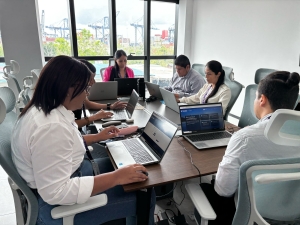
The management and procedures related to vessel registration in Panama will take a qualitative leap toward modernization and efficiency in less than a week.
In a move of great significance for the global maritime industry, the Panama Maritime Authority (PMA) has marked a turning point in the management of its services with the launch of the first phase of its ambitious Electronic Vessel Registry (REN).
Panama, offers the world two vital registry services – ship registration through the General Directorate of the Merchant Marine (DGMM) and the Public Registry of Ship Ownership of Panama (DGRPN), which manages the documentation and the certification of property titles, mortgages, and naval liens. The implementation of an innovative customer service system, supported by highly trained specialists, is the cornerstone of this strategy.
Marta Aparicio, Director General of The DGRPN, emphasizes the urgency and vision driving this initiative: “We cannot subject our users to the unnecessary bureaucracy. We aspire to comprehensive, non-sectoral excellence, which is why we must be on par with, and even surpass, our competitors. The work is arduous and complex, but cannot be postponed.” In this context, the REN emerges as a response to the demands of the 21st century, easing real-time connection with global maritime sector players.
An Urgent Response
The REN has advanced through continuous testing and thoughtful adaptation, ensuring it evolves to meet the real needs of the sector. This ongoing process helps deliver essential features for efficient operation. Regular feedback sessions with developers play a key role in shaping a final design that aligns closely with users' day-to-day realities.
One of the main goals of the REN is to unify the management systems of the DGMM and DGRPN. This integration will simplify procedures for both national and international users through an intuitive web-based platform. The tool is designed to enable remote access for inquiries, application tracking, and submissions—removing geographical barriers and significantly streamlining processing times.
Ms. Aparicio emphasizes the commitment to user experience and information security: “The team developing the REN is working on an increasingly user-friendly interface for electronic navigation. A comprehensive set of cybersecurity measures has been established to safeguard the confidentiality of operations and ensure the privacy of procedures; all without compromising the integrity of due diligence protocols.”
Rommel Troetsch, former president of the Panama Chamber of Shipping highlights the significance of this project: “The commercial activity of the Panamanian registry operates largely abroad and urgently needs modernization. This automation initiative should eventually extend to all port services, including auxiliary maritime industries, fuel sales, and other maritime operations overseen by the PMA—capitalizing on Panama’s highly strategic geographic position.”
The Voice of the Users
Giselle Veliz, of G&L Associate, offers her perspective: “The qualified electronic signature and the centralization of information in a single database are fundamental aspects of the REN. Not only does it update document validation, but it also provides greater certainty and reliability in transactions.”
Ariel Padilla, of Global Maritime Consultant Group Panama, comments: “A user-friendly interface and easy access to the new system are essential for successful adoption worldwide. The ability to submit inquiries and track procedures online will strengthen the relationship between the Panamanian registry and its global clients.”
The Secret is in the Details
As part of its continuous efforts to improve the user experience, the Panama Maritime Authority (PMA) has enabled online payments through its website, accepting both Visa and Mastercard. Additionally, physical points of sale have been established in Diablo Heights and Puerto Panamá, offering more flexibility for users. The DGRPN has also introduced a dedicated email address (This email address is being protected from spambots. You need JavaScript enabled to view it.) to ensure timely and efficient responses to user inquiries.
Ramón Franco, Director General of the Merchant Marine at the PMA, emphasizes the strategic importance of this initiative: “Implementing modern, custom-built platforms is essential for maintaining our international leadership. These tools allow us to restructure response times and tracking processes for the Panamanian fleet, enhancing the experience for our nearly 9,000 registered vessels. This reinforces our standing as the world’s largest open registry.”
Panama’s launch of the first phase of the REN reflects its firm commitment to innovation and excellence in the maritime sector. This step forward in digital transformation not only optimizes the services of the Panamanian registry but also strengthens the country’s central role in global maritime trade. By paving the way for easier, faster, and more secure digital operations, Panama is ushering in a new era of efficiency for the global maritime community.
ELNAVI Newsletter
More Information: ELNAVI,
19, Aristidou str., Piraeus 185 31,
Tel.: +30 210 45.22.100, e-mail: This email address is being protected from spambots. You need JavaScript enabled to view it.
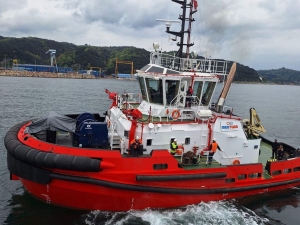
Vernicos Scafi Tugs and Salvage Maritime Co., which is involved in the Towage and Salvage operator in the region of Greece/East Med/Black Sea/Red Sea, together with its partners in SVS, took delivery of the second newbuilding tug in Piraeus port, under Greek flag.
MED-A2575 was built by Med Marine in Eregli Shipyard in Turkey, one of the most reputable shipyards in Europe. It belongs to RAmparts 2500-W design series by Robert Allan Ltd. and it is one of the most versatile ASD tug design for ship-handling, coastal towing, general purpose or escort duties. It can deliver more than 80 tons of bollard pull. Its high power and maneuverability making it capable to provide both high quality harbor and deep-sea towage services. The tug is fitted with two Caterpillar/3516E main engines, each developing 2,100 kW at 1,600 rpm and with two Kongsberg/US 255S FP thrusters. It is also equipped with FiFi 1 class fire-fighting system, capable also to provide oil recovery and escort services.
Mr. D. Vernicos, Director of Vernicos Scafi, commented: We are pleased to announce the delivery of “SVS II”, few months after the acquisition of the first newbuilding “SVS I” for SVS Maritime Company. We continue our expansion with the delivery of another newbuilding tug, strengthening further the relationship of trust with Med Marine Shipyard, by reaching the three orders in one year. This investment underscores the commitment of Vernicos Scafi to follow its investment plan and to maintain its leading role in the tug industry.
About the Company: Vernicos Scafi Tugs and Salvage Maritime Co. operates mainly in Piraeus and Thessaloniki area, but is also active in other ports as well (East Med/Black Sea/Red Sea, Patras, Lavrion, Mykonos and Katakolon), with a combined fleet of 49 modern tugs.
ELNAVI Newsletter
More Information: ELNAVI,
19, Aristidou str., Piraeus 185 31,
Tel.: +30 210 45.22.100, e-mail: This email address is being protected from spambots. You need JavaScript enabled to view it.
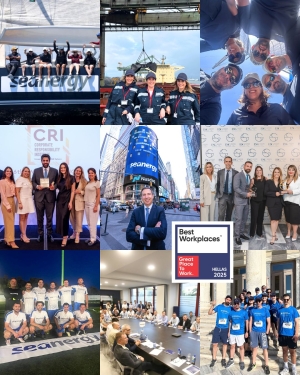
Seanergy Maritime Holdings Corp. is recognized, for the third consecutive year, as one of Greece’s Great Place To Work® Hellas.
The company is the only shipping organisation in Greece to receive this distinction in the 50–99 employees’ category.
The company’s CEO, Stamatis Tsantanis, stated: "This award reflects our people-centric philosophy and the strong sense of family that defines our culture — where every team member feels valued and supported. We remain committed to building an exceptional workplace by prioritizing trust, well-being, growth, and meaningful engagement through strong leadership, continuous development, and a focus on work-life balance”.
ELNAVI Newsletter
More Information: ELNAVI,
19, Aristidou str., Piraeus 185 31,
Tel.: +30 210 45.22.100, e-mail: This email address is being protected from spambots. You need JavaScript enabled to view it.
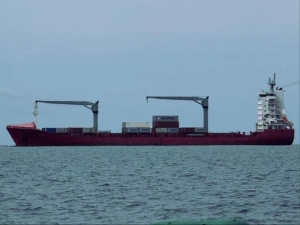
Aiming to expand its fleet, Element Shipmanagement acquired the feeder containership “Jette”. As stated in a post by Mr. Alexandros Lemonidis, General Manager of Element Shipmanagement, he welcomed the new ship and emphasized that the goal is to expand the fleet with careful moves.
The company was founded in 2012 and specializes in the management of fully cellular container ships. Its fleet consists of six container ships up to 4,000 TEUs.
Element Shipmanagement emphasizes both customer satisfaction and operational safety and environmental protection & sustainability.
ELNAVI Newsletter
More Information: ELNAVI,
19, Aristidou str., Piraeus 185 31,
Tel.: +30 210 45.22.100, e-mail: This email address is being protected from spambots. You need JavaScript enabled to view it.
Enhancing Maritime Insurance Brokerage Services for Client Benefit “The Marine Insurance Broker’s Route to Success”

By Mr. Anastasios Andreas Maraslis, Marasco Marine Ltd – Founder/President/Director
In the ever-changing world of maritime trade, the role of a marine insurance broker is pivotal. Professional Brokers act as the crucial link between vessel owners and operators and the insurance market, ensuring that clients have the protection they need to navigate the unpredictable seas of risk. However, the maritime industry is not static; it evolves with global dynamics, including emerging risks and changing client needs. To truly benefit their clients, marine insurance brokers must adapt and refine their services. In this article, we explore how marine insurance brokers can adjust their offerings to better serve their clients and enhance their overall value proposition.
- Customized Risk Assessment and Mitigation
Marine insurance brokers can set themselves apart by offering personalized risk assessment and mitigation services. Each client presents a unique risk profile based on factors such as vessel type, trade routes, cargo, and operational practices. By thoroughly understanding these nuances, brokers can:
- · Customize Risk Evaluation: Conduct a comprehensive analysis of each client’s risk profile, tailoring solutions to address their specific challenges and vulnerabilities.
- · Risk Mitigation Strategies: Develop bespoke risk mitigation strategies that help clients proactively reduce their exposure to potential losses. This might involve advising on safety protocols, security measures, and compliance with international regulations.
- Tailored Coverage Solutions
One size does not fit all in marine insurance. To benefit clients, marine insurance brokers should offer coverage that aligns with their clients’ unique needs and circumstances. This involves:
- · Personalized Coverage: Crafting insurance policies that precisely meet clients’ requirements and expectations, ensuring they receive comprehensive protection.
- · Flexibility in Policy Terms: Providing flexibility in policy terms, including the ability to adjust coverage limits, deductibles, and terms as clients’ needs evolve.
- Efficient Claims Management
Efficient claims handling is a hallmark of exceptional marine insurance brokerage services. When claims arise, clients expect their broker to facilitate swift and equitable resolutions. This involves:
- · Efficient Claims Handling: Establishing streamlined claims management processes that expedite the resolution of claims, reducing downtime and financial impact for clients.
- · Advocacy: Serving as a tireless advocate for clients during the claims process, ensuring that their interests are protected and that claims are settled fairly and promptly.
- Market Access and Insights
A network of trusted relationships with insurance reliable, A+/- rated underwriters and markets is invaluable to marine insurance brokers. This network empowers brokers to provide clients with a range of insurance products and access to market insights:
- · Access to Diverse Markets: Maintaining strong relationships with a broad network of insurance underwriters and markets allows brokers to offer a variety of insurance products and find the best coverage at competitive rates.
- · Market Insights: Staying informed about market trends, pricing fluctuations, and emerging risks, and sharing this information with clients, enables them to make informed decisions.
- Technology Integration
In the digital age, technology plays a pivotal role in delivering efficient and responsive services. Marine insurance brokers should leverage technology to:
- · Digital Tools: Streamline processes and enhance client interactions through online portals or platforms that allow clients to access policy information, make inquiries, and initiate transactions.
- · Data Analytics: Employ data analytics to assess and monitor clients’ risk profiles, enabling proactive risk management and loss prevention.
- Education and Training
Client education is a vital component of any marine insurance brokerage service. By offering educational resources and training, brokers empower clients to better understand marine insurance, risk management practices, and compliance requirements:
- · Client Education: Providing educational resources to clients, helping them gain a deeper understanding of marine insurance, risk management practices, and compliance requirements relevant to their operations.
- · Crisis Preparedness: Conducting drills and training sessions on crisis response and emergency management ensures clients are prepared for unexpected events and can mitigate losses effectively.
- Compliance and Regulatory Support
The maritime industry operates within a framework of international and local regulations. Marine insurance brokers can offer invaluable assistance by:
- · Regulatory Guidance: Keeping clients informed about evolving regulations and compliance requirements relevant to their operations.
- · Assistance with Compliance: Providing guidance and assistance in ensuring that clients’ vessels and operations comply with international and local regulations, avoiding potential liabilities.
- Continuous Communication
Maintaining open and regular communication with clients is fundamental to understanding their evolving needs and preferences:
- · Regular Updates: Keeping clients informed about industry developments, policy changes, and emerging risks through regular communication.
- · Client Feedback: Actively seeking feedback from clients to refine and improve services, ensuring they are aligned with clients’ expectations and evolving requirements.
- Risk Modeling and Predictive Analysis
In an era of data-driven decision-making, brokers can provide additional value through advanced risk modeling and predictive analytics:
- · Risk Models: Employing advanced risk modeling and predictive analytics to anticipate potential risks and providing clients with data-driven insights for decision-making.
- Value-Added Services
Going the extra mile to offer value-added services sets brokers apart:
- · Loss Prevention Programs: Developing and implementing loss prevention programs tailored to clients’ operations, reducing the frequency and severity of claims. Marasco Marine Ltd.’s special purposes committee (The Advisors’ Board) provides bespoke Risk Prevention services to its clientele – cutting premium costs and claim expenses –
- · Emergency Response Services: Providing access to emergency response teams and services to assist clients in the event of maritime incidents, ensuring swift and effective crisis management.
In conclusion, a marine insurance broker’s ability to adjust and refine their services to meet the evolving needs of their clients is instrumental in delivering exceptional value. By offering tailored risk assessment, flexible coverage solutions, efficient claims management, market access, technological integration, education, compliance support, continuous communication, advanced analytics, and value-added services, marine insurance brokers can become trusted partners in their clients’ maritime adventures, ensuring smooth sailing through even the most turbulent waters of risk.
* Marasco Marine Ltd, was founded in 1991, by Mr Anastasios Maraslis. Marasco is pecializing in Managing Marine Risks and Risk Prevention Planning, serving the last 33 years, Ship Owners, Ship Managers and Ship Operators, with his experienced marine/ claims insurance team and the company’s Board of Advisors, Internationally Acknowledged. More about Marasco Marine at: www.marasco-marine.com
ELNAVI Newsletter
More Information: ELNAVI,
19, Aristidou str., Piraeus 185 31,
Tel.: +30 210 45.22.100, e-mail: This email address is being protected from spambots. You need JavaScript enabled to view it.
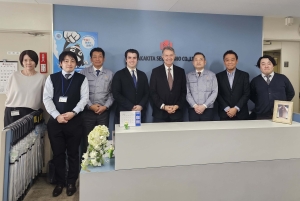
Marine Plus S.A., a leading provider of Marine Services and Equipment Makers Representation added to its reputable Makers portfolio, Nakakita Seisakusho Co. Ltd., the distinguished Japanese Manufacturer of Fluid Control Systems.
This strategic collaboration positions Marine Plus S.A. as the sole official representative of Nakakita's products and services in the markets of Greece and Cyprus.
Established in 1930 by Mr. Benzo Nakakita, Nakakita Seisakusho has built a legacy of innovation and excellence in the production of automatic control valves, butterfly valves, fluid level measurement systems and remote control systems. With a foundational philosophy centered on the "Frontier Spirit," the company has consistently developed cutting-edge solutions to meet the evolving challenges of various industries.
The partnership was formalized during the recent visit by Marine Plus S.A.'s Top Management to Nakakita's headquarters in Osaka, Japan. In the accompanying photograph, Mr. Dimitris Vranopoulos, President & CEO and Mr. George Vranopoulos, Commercial Director of Marine Plus S.A. are seen alongside Nakakita's Senior Executives, symbolizing the commencement of this significant alliance.
Through this collaboration, Marine Plus S.A. will leverage its extensive market expertise to promote and distribute Nakakita's high-quality Products to the Shipowners of the Greek & Cypriot Markets.
ELNAVI Newsletter
More Information: ELNAVI,
19, Aristidou str., Piraeus 185 31,
Tel.: +30 210 45.22.100, e-mail: This email address is being protected from spambots. You need JavaScript enabled to view it.